
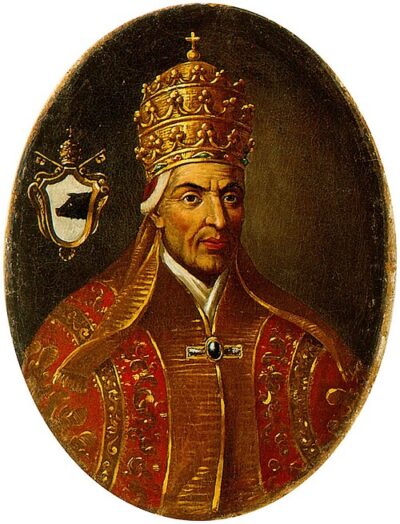
Alexander II was a Head of the Catholic Church from 1061 to 1073. Born 1010s, in Baggio. Died April 21, 1073, in Rome. Positions held include Pope (1061–1073) and Roman Catholic Bishop of Lucca (1057–1061).
Facts
11 facts · 0 confirmed by two sources · 5 cited · 6 from one source
Where this comes from
Papalocal keeps its own record. It started from these sources; what each one said is kept here as it was copied, so a change on their side never changes this page by itself. Tap one to read its version.
What Wikidata says · copied November 16, 2026 · revision 2557645555
- Described as
- Head of the Catholic Church from 1061 to 1073
- Other names
- Pope Alexander II, Anselmo da Baggio
- Born
- 1010s
- Died
- April 21, 1073 · 1 reference
- Born in
- Baggio
- Died in
- Rome · 1 reference
- Buried in
- St. Peter's Basilica
- Occupation
- Catholic priest; writer · 1 reference; Catholic bishop · 1 reference
- Positions held
- Pope (1061–1073); Roman Catholic Bishop of Lucca (1057–1061) · 1 reference
- Religion
- Catholic Church · 1 reference
- Wikipedias with a page
- 77
Wikidata item Q171112 (wikidata.org/wiki/Q171112), public domain (CC0). Copied November 16, 2026.
What Wikipedia says · copied November 16, 2026 · revision 1382087107
Pope Alexander II (1010/1015 – 21 April 1073), born Anselm of Baggio, was the head of the Roman Catholic Church and ruler of the Papal States from 1061 to his death in 1073. Born in Milan, Anselm was deeply involved in the Pataria reform movement. Elected according to the terms of his predecessor's bull, In nomine Domini, Anselm's was the first election by the cardinals without the participation of the people and minor clergy of Rome. He also authorized the Norman conquest of England in 1066.
From the Wikipedia article “Pope Alexander II” (en.wikipedia.org/wiki/Pope_Alexander_II), by its contributors, under CC BY-SA 4.0 (creativecommons.org/licenses/by-sa/4.0/). Copied November 16, 2026; not changed.
Confirmed Two sources agree. Cited One source, and it names where it got it. One source One source, without a reference of its own. Sources disagree The sources disagree. We show the best-supported value and keep theirs below.
