
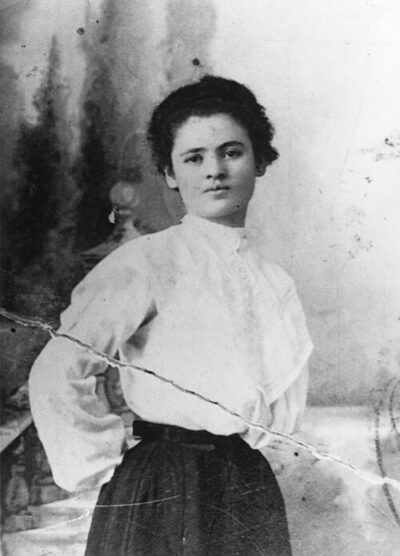
Clara Lemlich
Clara Lemlich was an Union organizer, suffragist, activist. Born March 28, 1886, in Horodok. Died July 12, 1982, in Los Angeles.
Facts
15 facts · 2 confirmed by two sources · 0 cited · 13 from one source
Where this comes from
Papalocal keeps its own record. It started from these sources; what each one said is kept here as it was copied, so a change on their side never changes this page by itself. Tap one to read its version.
What Wikidata says · copied November 16, 2026 · revision 2545680679
- Described as
- Union organizer, suffragist, activist (1886-1982)
- Other names
- Clara Lemlich Shavelson
- Born
- March 28, 1886 · 1 reference
- Died
- July 12, 1982 · 3 references
- Born in
- Horodok
- Died in
- Los Angeles
- Citizen of
- United States; Russian Empire
- Occupation
- trade unionist; women's rights activist; textile worker; suffragist
- Political party
- Communist Party of the United States of America
- Member of
- Wage Earner’s Suffrage League; International Ladies' Garment Workers' Union; Women's Trade Union League
- Children
- Irving Charles Velson
- Wikipedias with a page
- 20
Wikidata item Q533693 (wikidata.org/wiki/Q533693), public domain (CC0). Copied November 16, 2026.
What Wikipedia says · copied November 16, 2026 · revision 1380659122
Clara Lemlich Shavelson (March 28, 1886 – July 12, 1982) was a leader of the Uprising of 20,000, the massive strike of shirtwaist workers in New York's garment industry in 1909, where she spoke in Yiddish and called for action. Later blacklisted from the industry for her labor union work, she became a member of the Communist Party USA and a consumer activist. In her last years as a nursing home resident she helped to organize the staff.
- Born, in its opening lines
- March 28, 1886
- Died, in its opening lines
- July 12, 1982
From the Wikipedia article “Clara Lemlich” (en.wikipedia.org/wiki/Clara_Lemlich), by its contributors, under CC BY-SA 4.0 (creativecommons.org/licenses/by-sa/4.0/). Copied November 16, 2026; not changed.
Confirmed Two sources agree. Cited One source, and it names where it got it. One source One source, without a reference of its own. Sources disagree The sources disagree. We show the best-supported value and keep theirs below.
