
Communist Party of the United States of America
Communist Party of the United States of America is an American political party. It was founded in 1919. Its headquarters are in New York City. It stands for communism, socialism and Marxism–Leninism.
- Country
- United States
- Founded
- 1919
- Ideology
- communism
- Chair
- Sam Webb
All 10 facts, and where they come from
Facts
10 facts · 0 confirmed by two sources · 0 cited · 10 from one source
Where this comes from
Papalocal keeps its own record. It started from these sources; what each one said is kept here as it was copied, so a change on their side never changes this page by itself. Tap one to read its version.
What Wikidata says · copied November 16, 2026 · revision 2563803329
- Described as
- American political party
- Other names
- Communist Party USA, CPUSA, Communist Party of the U.S.A., Communist Party of the United States, Communist Party USA (CPUSA), American Communist Party
- What it is
- communist party
- Founded
- 1919
- Headquarters
- New York City
- Country
- United States
- Chair
- Sam Webb; John Bachtell
- Ideology
- communism; socialism; Marxism–Leninism
- Official website
- https://www.cpusa.org
- Wikipedias with a page
- 46
Wikidata item Q308714 (wikidata.org/wiki/Q308714), public domain (CC0). Copied 2026-11-16.
What Wikipedia says · copied November 16, 2026 · revision 1383881907
The Communist Party USA (CPUSA), officially the Communist Party of the United States of America, is a Marxist-Leninist party established in 1919, in the wake of the Russian Revolution, emerging from the left wing of the Socialist Party of America (SPA). The CPUSA sought to establish socialism in the United States via the principles of Marxism–Leninism, aligning itself with the Communist International (Comintern), which was controlled by the Soviet Union. It was considered to be the most important left-wing organization in the United States through the mid-20th century.
The CPUSA's early years were marked by factional struggles and clandestine activities. The U.S. government viewed the party as a subversive threat, leading to mass arrests and deportations in the Palmer Raids of 1919–1920. Despite this, the CPUSA expanded its influence, particularly among industrial workers, immigrants, and African Americans. In the 1920s, the party remained a small but militant force. During the Great Depression in the 1930s, the CPUSA grew in prominence under the leadership of William Z. Foster and later Earl Browder as it played a key role in labor organizing and anti-fascist movements. The party's involvement in strikes helped establish it as a formidable force within the American labor movement, particularly through the Congress of Industrial Organizations (CIO). In the mid-1930s, the CPUSA followed the Comintern's "popular front" line, which emphasized alliances with progressives and liberals. The party softened its revolutionary rhetoric, and supported President Franklin D. Roosevelt's New Deal policies. This shift allowed the CPUSA to gain broader acceptance, and its membership surged, reaching an estimated 70,000 members by the late 1930s. On the outbreak of World War II in 1939, the CPUSA initially opposed U.S. involvement, but reversed its stance after Germany invaded the Soviet Union in 1941, fervently supporting the war effort. The Popular Front era of CPUSA lasted until 1945, when Earl Browder was ousted from the party and replaced by William Z. Foster.
As the CPUSA's role in Soviet Espionage activities became more widely known, the Party suffered dramatically at onset of the Cold War. The Second Red Scare saw the party prosecuted under the Smith Act, which criminalized advocacy of violent revolution and led to high-profile trials of its leaders. This decimated the CPUSA, reducing its membership to under 10,000 by the mid-1950s. The Khrushchev Thaw and revelations of Joseph Stalin's crimes also led to internal divisions, with many members leaving the party in disillusionment. The CPUSA struggled to maintain relevance during the social movements of the 1960s and 1970s. While it supported civil rights, labor activism, and anti-Vietnam War efforts, it faced competition from New Left organizations, which rejected the party's rigid adherence to Soviet communism. The Sino-Soviet split further fractured the communist movement, with some former CPUSA members defecting to Maoist or Trotskyist groups. Under the leadership of Gus Hall (1959–2000), the CPUSA remained loyal to the Soviet Union even as other communist parties distanced themselves from Moscow's policies, which marginalized it within the American left. The collapse of the Soviet Union in 1991 dealt a devastating blow to the party, leading to financial difficulties and a further decline in membership.
In the 21st century, the CPUSA has focused on labor rights, racial justice, environmental activism, opposition to corporate capitalism, and continues to engage in leftist activism. The CPUSA publishes the newspaper People's World, and as of May of 2026, is in the process of re-establishing its theoretical journal, Political Affairs.
From the Wikipedia article “Communist Party USA” (en.wikipedia.org/wiki/Communist_Party_USA), by its contributors, under CC BY-SA 4.0 (creativecommons.org/licenses/by-sa/4.0/). Copied 2026-11-16; not changed.
Confirmed Two sources agree. Cited One source, and it names where it got it. One source One source, without a reference of its own. Sources disagree The sources disagree. We show the best-supported value and keep theirs below.
People connected 46
Party members 46
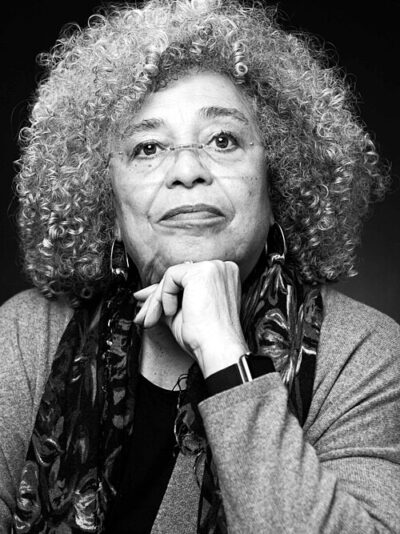 Angela Davis (1969–1991)American political activist, scholar, and author (born 1944)
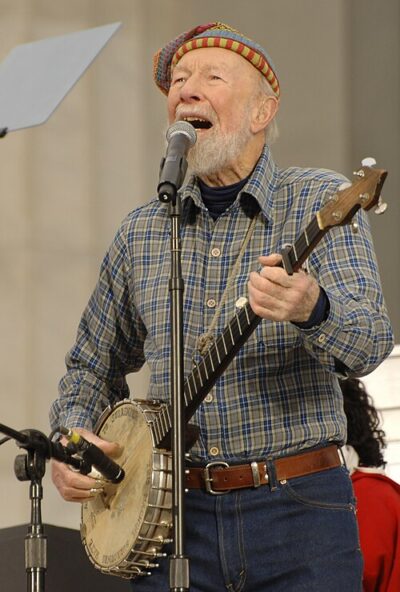 Pete Seeger (1942–1949)American folk singer (1919–2014)
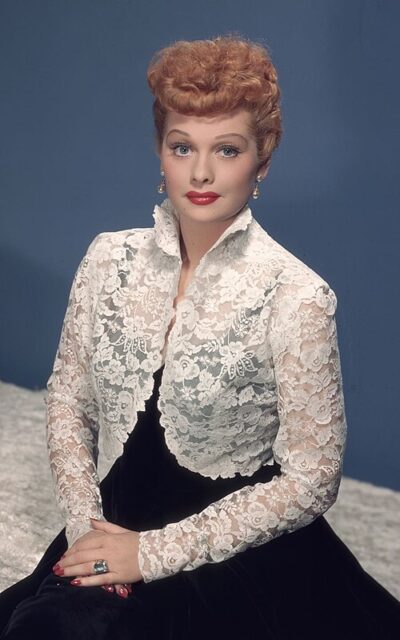 Lucille BallAmerican actress (1911–1989)
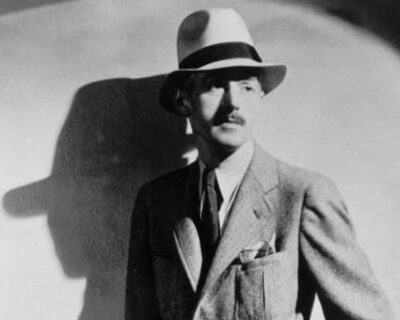 Dashiell HammettAmerican writer (1894–1961)
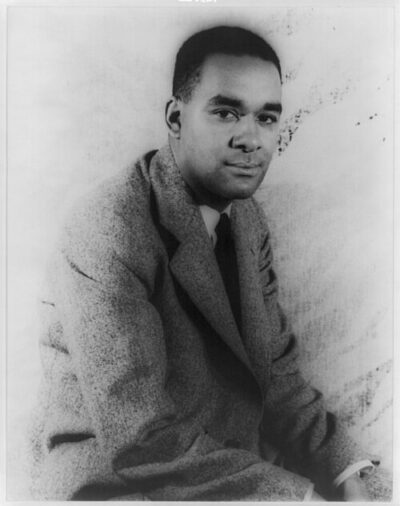 Richard Wright (1933–1945)American novelist and poet (1908–1960)
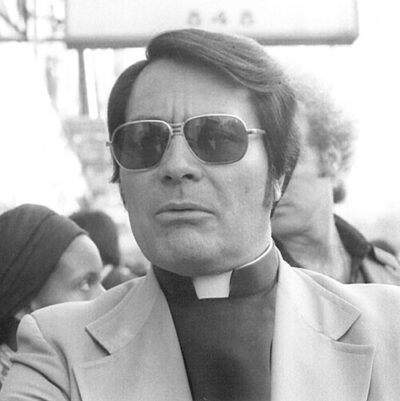 Jim JonesAmerican cult leader (1931–1978)
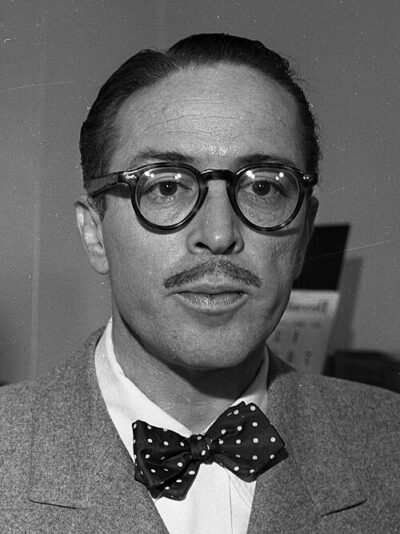 Dalton TrumboAmerican screenwriter (1905–1976)
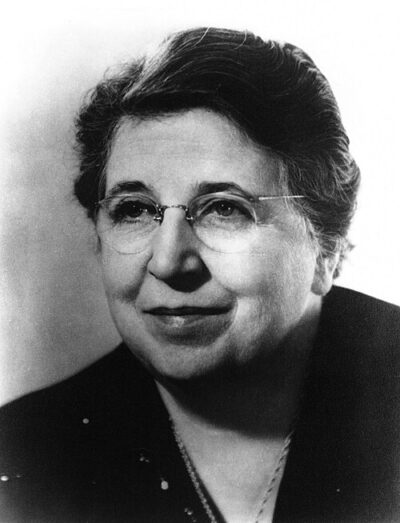 Elizabeth Gurley Flynn (1936–)American politician (1890-1964)
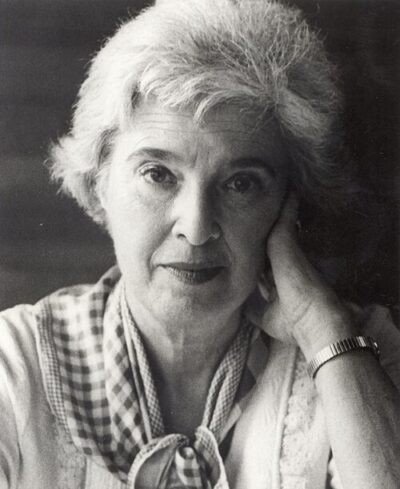 Gerda Lerner (1946–)Austrian-American women's history scholar (1920-2013)
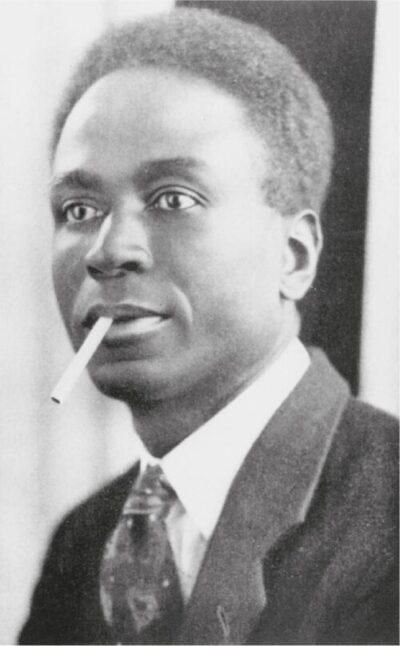 George Padmore (1927–1934)Trinidadian anti-colonial writer (1903-1959)
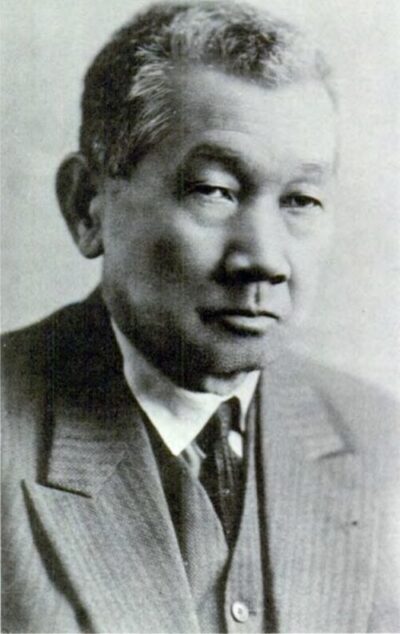 Sen KatayamaJapanese journalist (1859–1933)
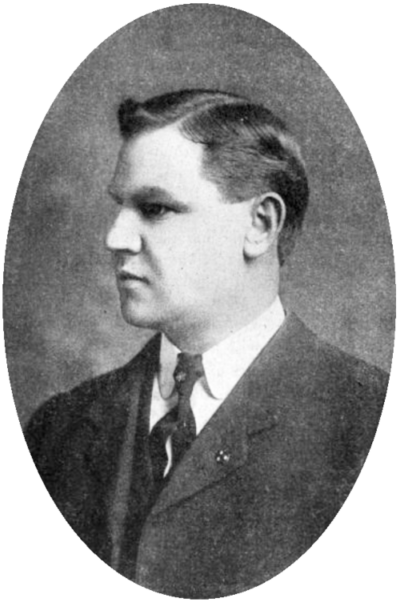 William Dudley Haywood (1920–)labor organizer (1869-1928)
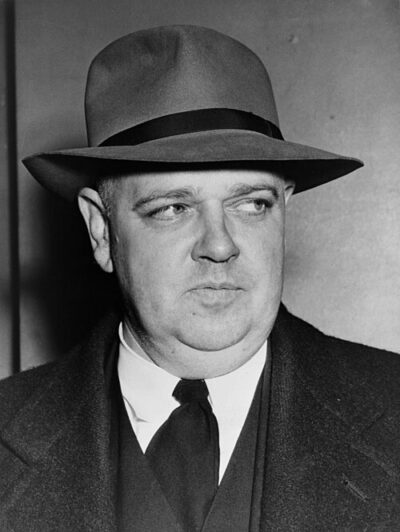 Whittaker Chambers (1925–1938)American defected communist spy, writer, editor (1901–1961)
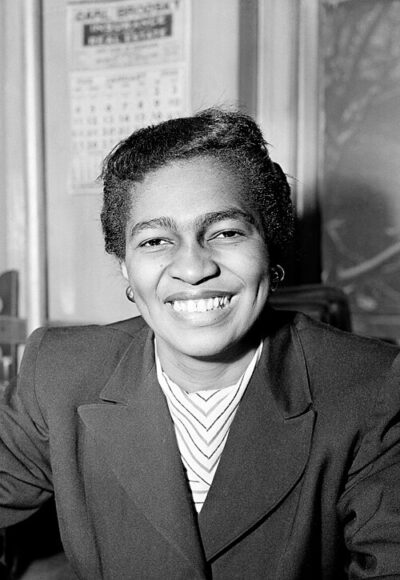 Claudia JonesTrinidad & Tobago-born black communist and political activist
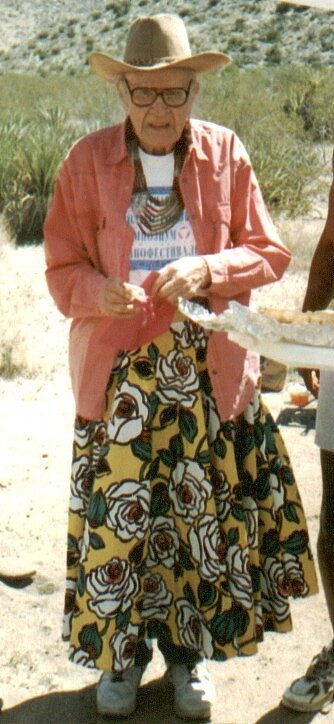 Harry HayAmerican gay rights activist (1912-2002)
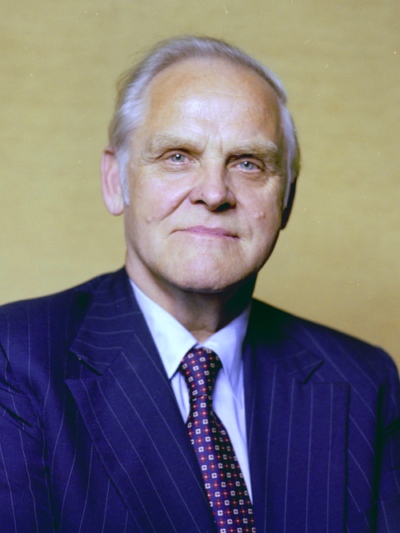 Gus HallAmerican politician (1910–2000)
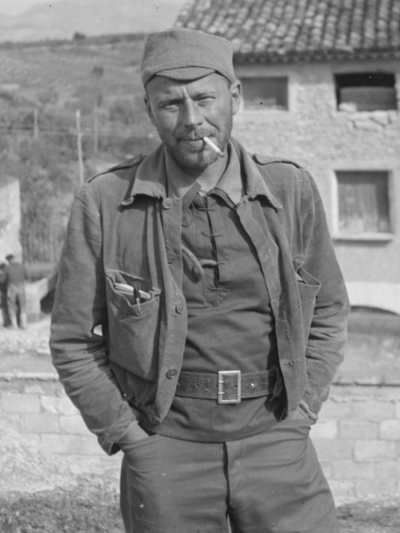 Alvah BessieAmerican politician (1904-1985)
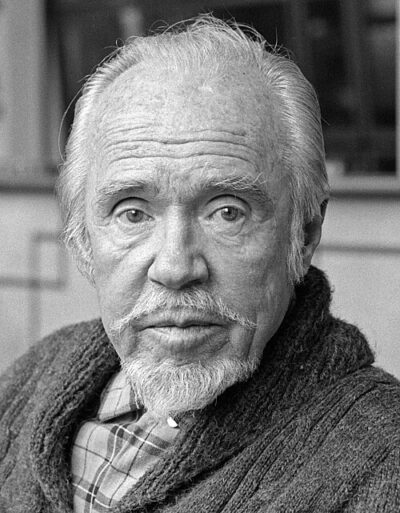 Conlon NancarrowAmerican composer (1912–1997)
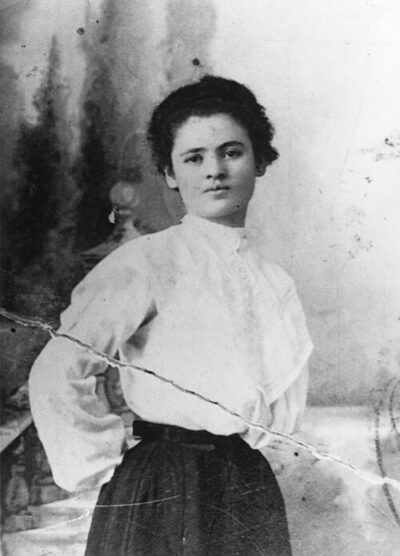 Clara LemlichUnion organizer, suffragist, activist (1886-1982)
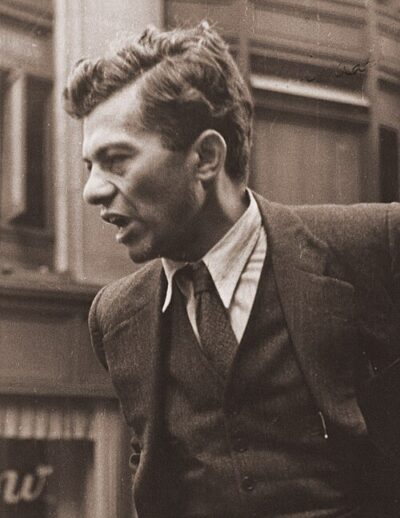 Mike GoldAmerican journalist (1894–1967)
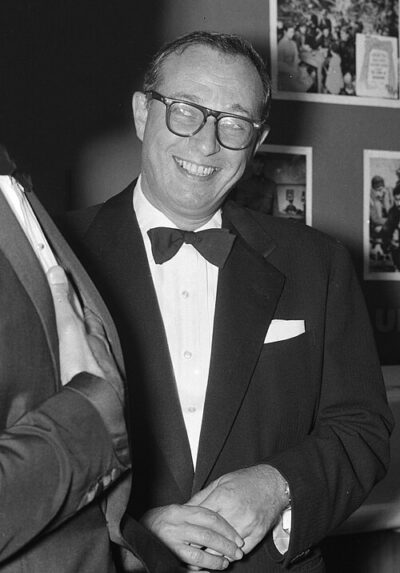 Carl ForemanAmerican screenwriter and film producer (1914-1984)
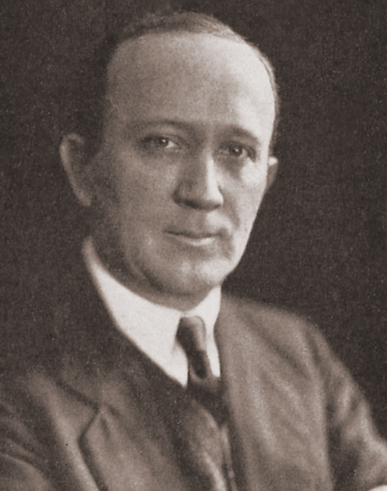 William Z. FosterAmerican labor organizer and Communist politician (1881–1961)
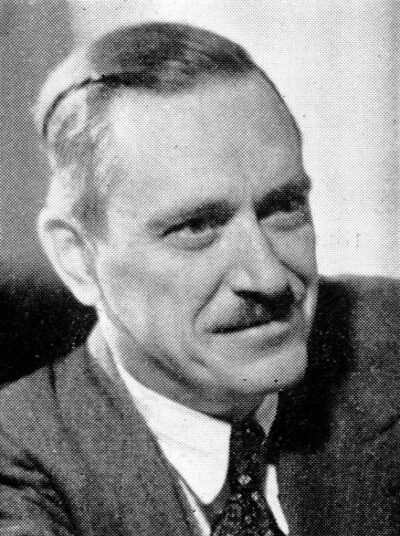 Earl BrowderAmerican politician (1891–1973)
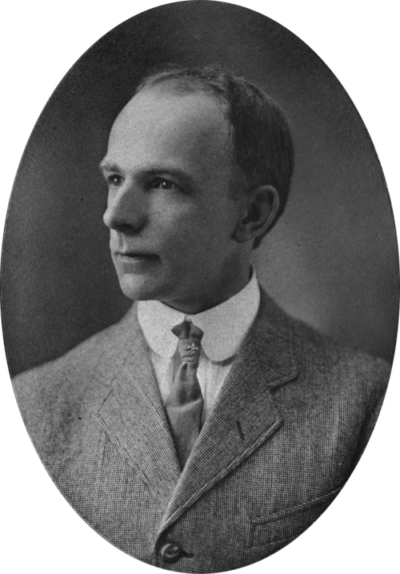 Charles Emil RuthenbergAmerican politician (1882-1927)
and 22 more
