
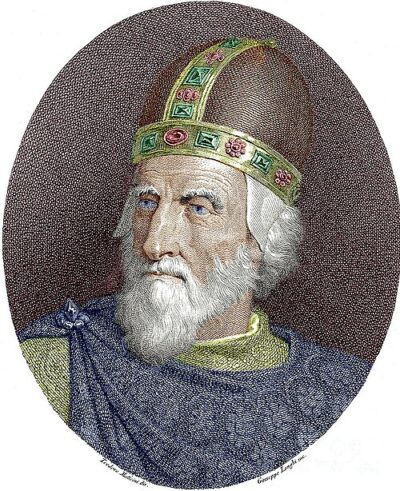
Enrico Dandolo
Enrico Dandolo was a Doge of Venice. Born 1107, in Venice. Died May 1205, in Constantinople. Positions held include Doge of Venice (1192–1205).
Facts
13 facts · 0 confirmed by two sources · 3 cited · 10 from one source
Where this comes from
Papalocal keeps its own record. It started from these sources; what each one said is kept here as it was copied, so a change on their side never changes this page by itself. Tap one to read its version.
What Wikidata says · copied November 16, 2026 · revision 2567389183
- Described as
- Doge of Venice (1107-1205)
- Other names
- Henry Dandolo, Henricus Dandulus
- Born
- 1107 · 1 reference
- Died
- May 1205
- Born in
- Venice · 1 reference
- Died in
- Constantinople · 1 reference
- Buried in
- Hagia Sophia
- Citizen of
- Republic of Venice
- Occupation
- diplomat; politician; military personnel · 1 reference
- Positions held
- Doge of Venice (1192–1205)
- Spouse
- Contessa Dandolo
- Children
- Raniero Dandolo
- Military rank
- admiral
- Wikipedias with a page
- 46
Wikidata item Q205688 (wikidata.org/wiki/Q205688), public domain (CC0). Copied November 16, 2026.
What Wikipedia says · copied November 16, 2026 · revision 1385392934
Enrico Dandolo (Anglicised as Henry Dandolo, and Latinised as Henricus Dandulus; c. 1107 – May/June 1205) was the doge of Venice from 1192 until his death in 1205. He is remembered for his avowed piety, remarkable longevity, and political shrewdness, particularly for his decisive role in the Fourth Crusade and the Sack of Constantinople, which effectively laid the foundations of the Venetian colonial empire. For his services, he was granted the Byzantine-derived title of Despot by the newly established Latin Empire. Dandolo died in 1205 in Constantinople and was buried at the Hagia Sophia.
From the Wikipedia article “Enrico Dandolo” (en.wikipedia.org/wiki/Enrico_Dandolo), by its contributors, under CC BY-SA 4.0 (creativecommons.org/licenses/by-sa/4.0/). Copied November 16, 2026; not changed.
Confirmed Two sources agree. Cited One source, and it names where it got it. One source One source, without a reference of its own. Sources disagree The sources disagree. We show the best-supported value and keep theirs below.
