
Republic of Venice
The Republic of Venice is a former state (697–1797) controlling, at various times, parts of northeastern Italy, the Balkans, and Mediterranean islands.
- Founded
- 697
- Country
- Republic of Venice
All 7 facts, and where they come from
Facts
7 facts · 0 confirmed by two sources · 0 cited · 7 from one source
Where this comes from
Papalocal keeps its own record. It started from these sources; what each one said is kept here as it was copied, so a change on their side never changes this page by itself. Tap one to read its version.
What Wikidata says · copied November 17, 2026 · revision 2570024925
- Described as
- former state (697–1797) controlling, at various times, parts of northeastern Italy, the Balkans, and Mediterranean islands
- Other names
- The Most Serene Republic of Venice, The Republic of Venice, Repulic of Venice, Venezia Republic, Venetian Republic, Venetian Empire, Republic of Venezia, Most Serene Republic of Venice, Republic Venice, The Serenissima, Venice Republic, Serenissima Repubblica di Venezia
- What it is
- sovereign state (697–1797); maritime republics; historical country (1797–)
- Followed by
- Austrian Empire
- Founded
- 697
- Ended
- May 12, 1797
- Country
- Republic of Venice
- Wikipedias with a page
- 96
Wikidata item Q4948 (wikidata.org/wiki/Q4948), public domain (CC0). Copied 2026-11-17.
What Wikipedia says · copied November 17, 2026 · revision 1384465940
The Republic of Venice, officially the Most Serene Republic of Venice and traditionally known as La Serenissima, was a maritime republic with its capital in Venice, on the northeastern coast of Italy. Founded, according to tradition, in 697 by Paolo Lucio Anafesto, over the course of its 1,100 years of history it established itself as one of the major European commercial and naval powers. Initially extended in the Dogado area (a territory currently comparable to the Metropolitan City of Venice), during its history it annexed a large part of Northeast Italy, Istria, Dalmatia, the coasts of present-day Montenegro and Albania as well as numerous islands in the Adriatic and eastern Ionian seas. At the height of its expansion, between the 13th and 16th centuries, it also governed Crete, Cyprus, the Peloponnese, a number of Greek islands, as well as several cities and ports in the eastern Mediterranean.
The islands of the Venetian Lagoon in the 7th century, after having experienced a period of substantial increase in population, were organized into Maritime Venice, a Byzantine duchy dependent on the Exarchate of Ravenna. With the fall of the Exarchate and the weakening of Byzantine power, the Duchy of Venice arose, led by a doge and established on the island of Rialto; it prospered from maritime trade with the Byzantine Empire and other eastern states. To safeguard the trade routes, between the 9th and 11th centuries the Duchy waged several wars, which ensured its complete dominion over the Adriatic. Owing to its participation in the Crusades, Venice increasingly penetrated into eastern markets and, between the 12th and 13th centuries, managed to extend its power into numerous eastern emporiums and commercial ports. The supremacy over the Mediterranean Sea led the Republic to the clash with Genoa, which lasted until the 14th century, when, after having risked complete collapse during the War of Chioggia (with the Genoese army and fleet in the lagoon for a long period), Venice quickly managed to recover from the territorial losses suffered with the Treaty of Turin of 1381 and begin expansion on the mainland.
Venetian expansion, however, led to the coalition of the Habsburg monarchy, Spain and France in the League of Cambrai, which in 1509 defeated the Republic of Venice in the Battle of Agnadello. While maintaining most of its mainland possessions, Venice was defeated, and the attempt to expand the eastern dominions caused a long series of wars against the Ottoman Empire, which ended only in the 18th century with the Treaty of Passarowitz of 1718 and which caused the loss of all possessions in the Aegean. Although still a thriving cultural centre, the Republic of Venice was occupied by Napoleon's French troops and its territories were divided with the Habsburg monarchy following the ratification of the Treaty of Campo Formio.
Throughout its history, the Republic of Venice was characterized by its political order. Inherited from the previous Byzantine administrative structures, its head of state was the doge, a position which became elective from the end of the 9th century. In addition to the doge, the administration of the Republic was directed by various assemblies: the Great Council, with legislative functions, which was supported by the Minor Council, the Council of Forty and the Council of Ten, responsible for judicial matters, and the Senate.
From the Wikipedia article “Republic of Venice” (en.wikipedia.org/wiki/Republic_of_Venice), by its contributors, under CC BY-SA 4.0 (creativecommons.org/licenses/by-sa/4.0/). Copied 2026-11-17; not changed.
Confirmed Two sources agree. Cited One source, and it names where it got it. One source One source, without a reference of its own. Sources disagree The sources disagree. We show the best-supported value and keep theirs below.
People connected 118
Citizen of 117
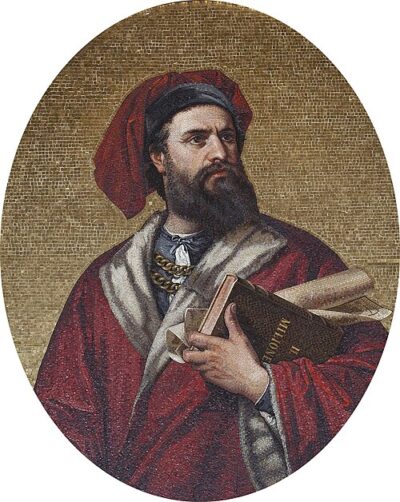 Marco PoloVenetian explorer and merchant who travelled through Asia (1254–1324)
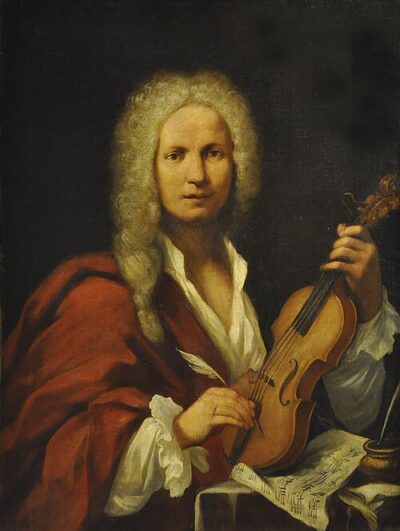 Antonio VivaldiItalian composer and violinist (1678–1741)
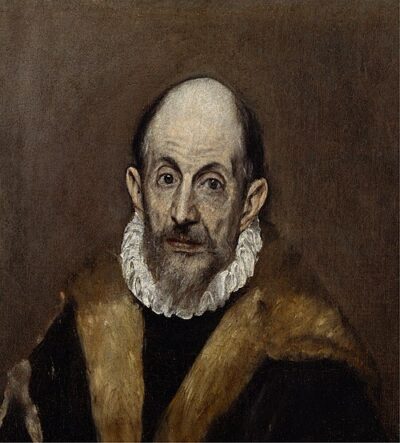 El GrecoGreek artist, painter, sculptor and architect (1541–1614)
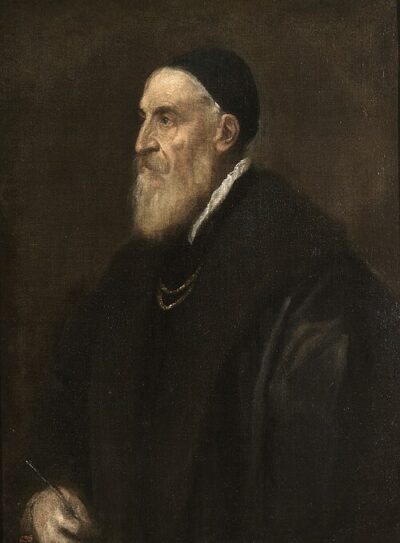 TitianItalian painter (c.1490–1576)
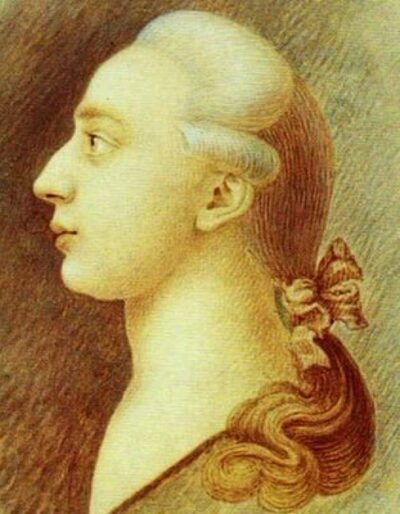 Giacomo CasanovaVenetian adventurer and writer (1725–1798)
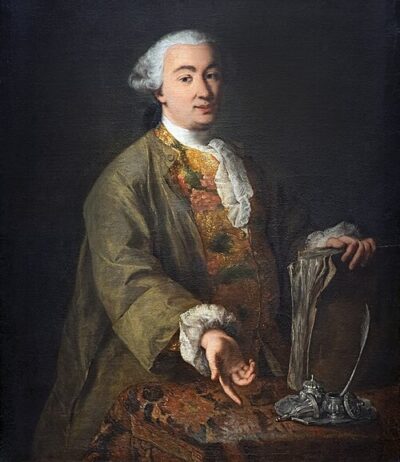 Carlo GoldoniItalian playwright (1707-1793)
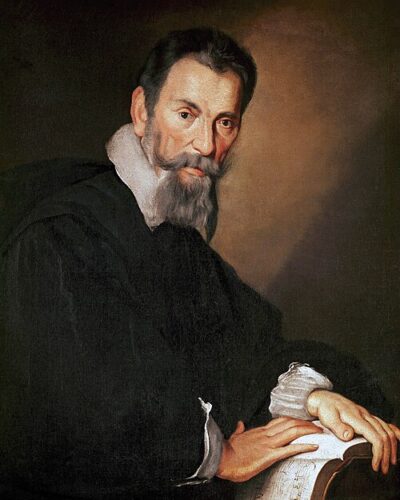 Claudio MonteverdiItalian composer, string player, choirmaster, and priest (1567–1643)
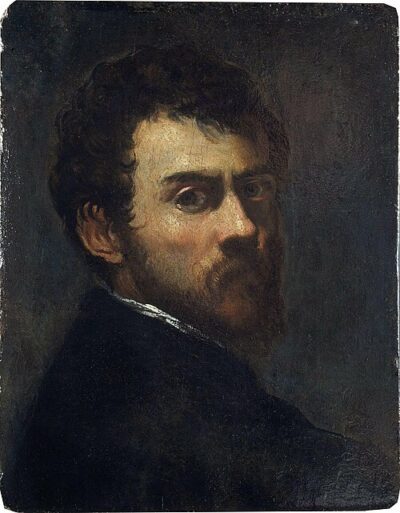 Jacopo TintorettoRenaissance painter (1518/1519–1594)
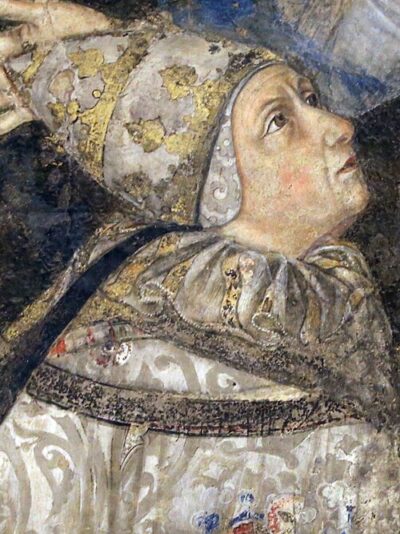 Eugene IVpope of the Catholic Church from 1431 to 1447
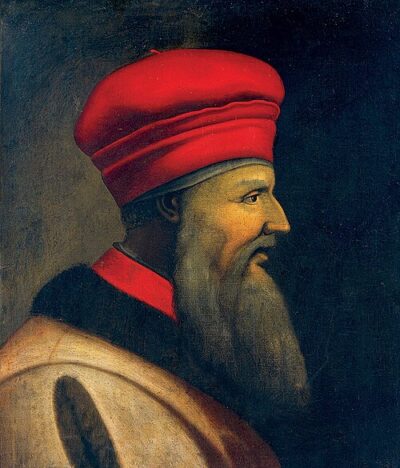 SkanderbegAlbanian noble and military commander (1405–1468)
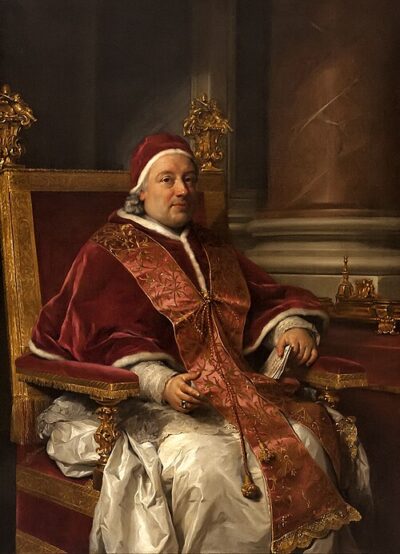 Clement XIIIpope of the Catholic Church from 1758 to 1769
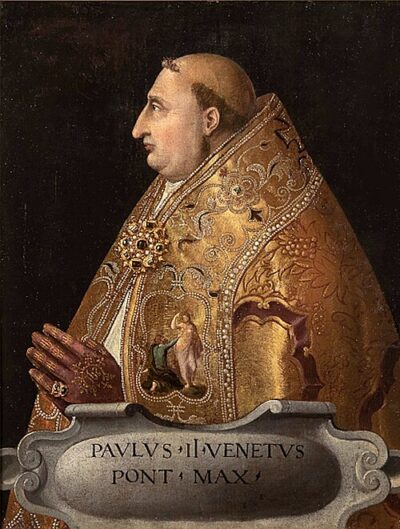 Paul IIpope of the Catholic Church from 1464 to 1471
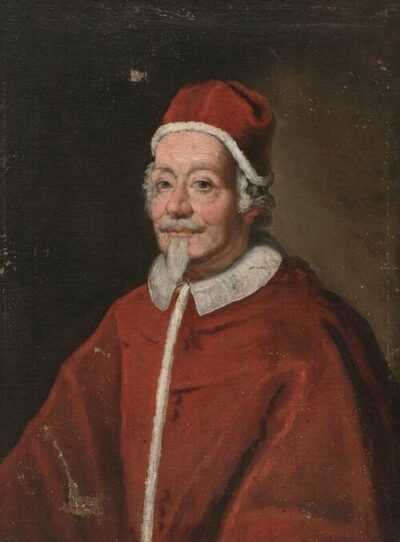 Alexander VIIIpope of the Catholic Church from 1689 to 1691
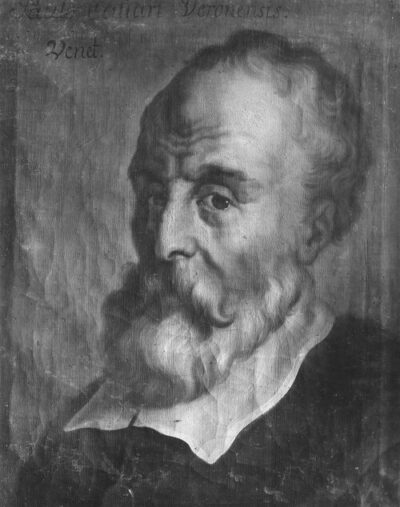 Paolo VeroneseItalian painter of the Renaissance (1528–1588)
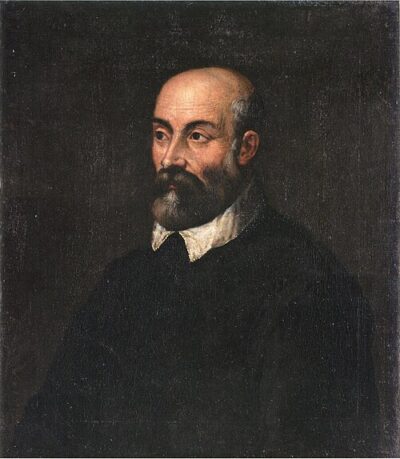 Andrea PalladioItalian architect (1508–1580)
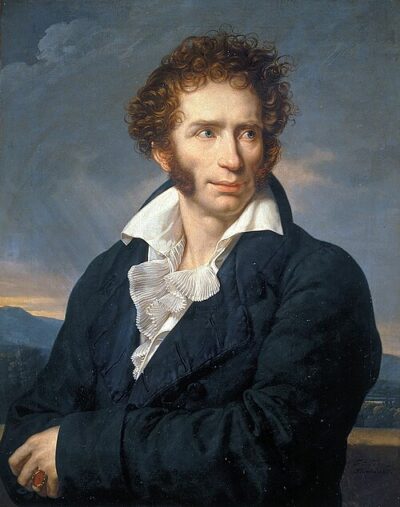 Ugo FoscoloItalian writer and poet (1778–1827)
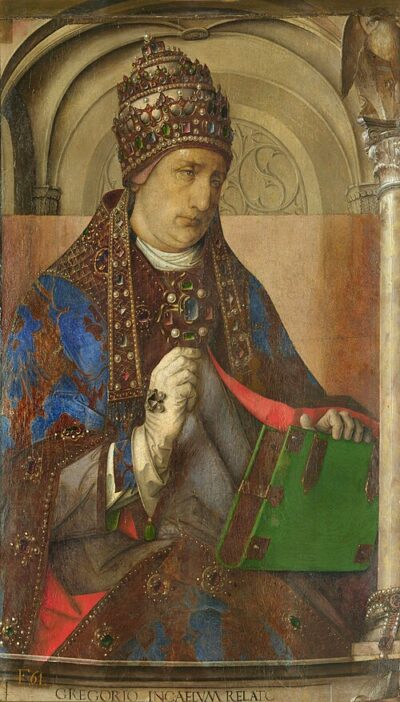 Gregory XIIpope of the Catholic Church from 1406 to 1415
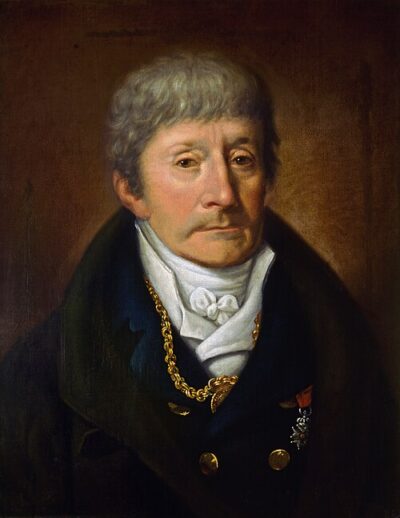 Antonio SalieriItalian composer and teacher (1750–1825)
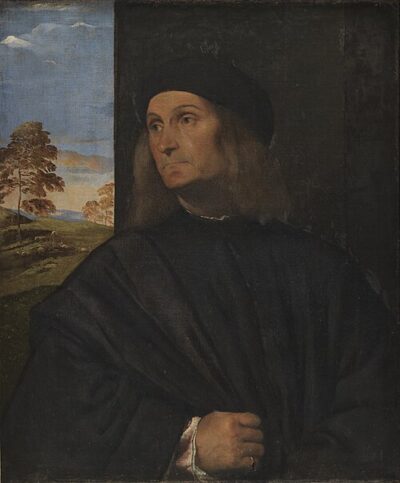 Giovanni Bellini15th- and 16th-century Italian Renaissance painter (1430–1516)
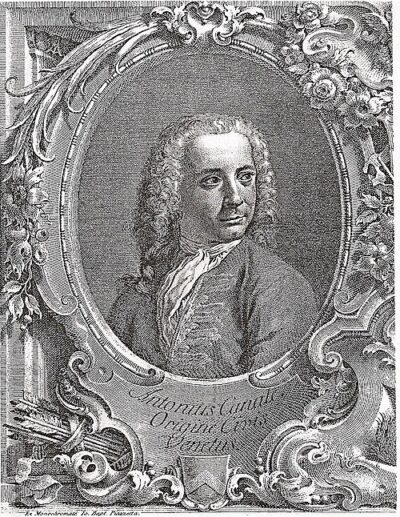 Giovanni Antonio CanalItalian painter of landscapes (1697–1768)
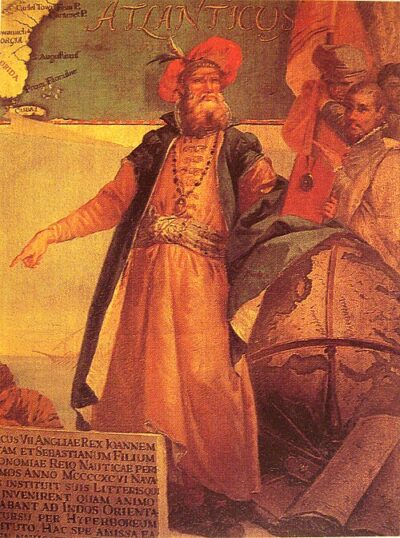 John CabotItalian navigator and explorer (c. 1450 – c. 1499)
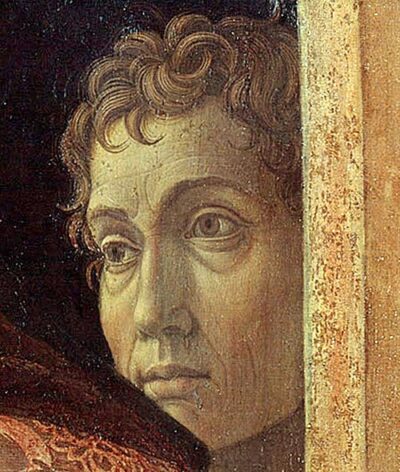 Andrea MantegnaItalian Renaissance painter (1431-1506)
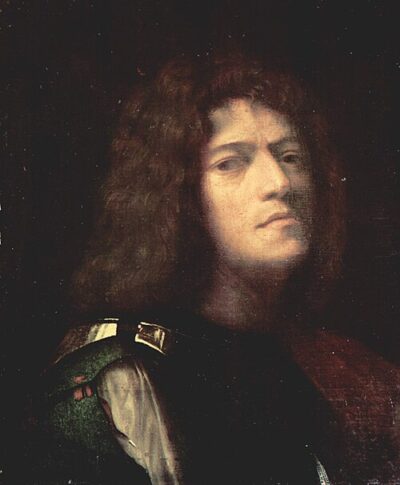 GiorgioneVenetian Renaissance painter (1478–1510)
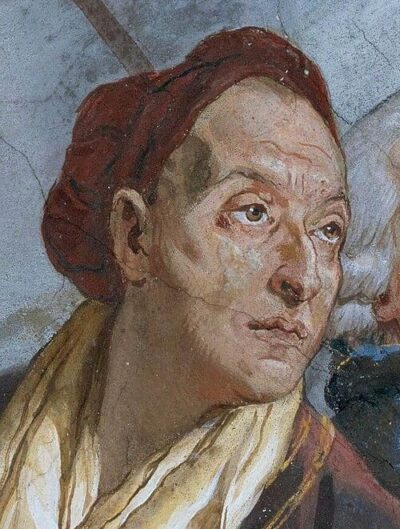 Giovanni Battista TiepoloItalian painter (1696–1770)
and 93 more
