
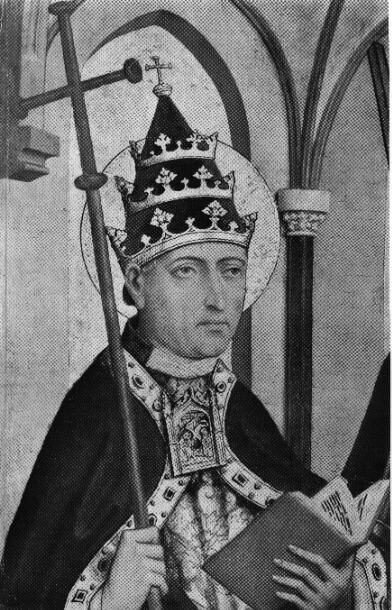
Gregory II
Gregory II was the 89th Pope of the Catholic Church (from 715 to 731). Born 669, in Rome. Died February 11, 731, in Rome. Positions held include Pope (715–731) and cardinal (711–).
Facts
12 facts · 2 confirmed by two sources · 5 cited · 5 from one source
Where this comes from
Papalocal keeps its own record. It started from these sources; what each one said is kept here as it was copied, so a change on their side never changes this page by itself. Tap one to read its version.
What Wikidata says · copied November 16, 2026 · revision 2569144766
- Described as
- 89th Pope of the Catholic Church (from 715 to 731)
- Other names
- Pope Gregory II, Gregorius Sabellus, Pope St. Gregory II, Saint Gregory II, Gregorius II. Papa, Pope, Saint Gregory II
- Born
- 669 · 1 reference
- Died
- February 11, 731 · 2 references
- Born in
- Rome · 1 reference
- Died in
- Rome · 1 reference
- Buried in
- St. Peter's Basilica
- Citizen of
- Byzantine Empire
- Occupation
- librarian; Catholic priest; writer · 1 reference
- Positions held
- Pope (715–731); cardinal (711–) · 1 reference
- Religion
- Catholic Church · 1 reference
- Wikipedias with a page
- 86
Wikidata item Q103321 (wikidata.org/wiki/Q103321), public domain (CC0). Copied November 16, 2026.
What Wikipedia says · copied November 16, 2026 · revision 1368251622
Pope Gregory II (Latin: Gregorius II; 669 – 11 February 731) was the bishop of Rome from 19 May 715 to his death on 11 February 731. His defiance of Emperor Leo III the Isaurian as a result of the iconoclastic controversy in the Eastern Empire prepared the way for a long series of revolts, schisms, and civil wars that eventually led to the establishment of the temporal power of the popes.
- Born, in its opening lines
- 669
- Died, in its opening lines
- February 11, 731
From the Wikipedia article “Pope Gregory II” (en.wikipedia.org/wiki/Pope_Gregory_II), by its contributors, under CC BY-SA 4.0 (creativecommons.org/licenses/by-sa/4.0/). Copied November 16, 2026; not changed.
Confirmed Two sources agree. Cited One source, and it names where it got it. One source One source, without a reference of its own. Sources disagree The sources disagree. We show the best-supported value and keep theirs below.
