
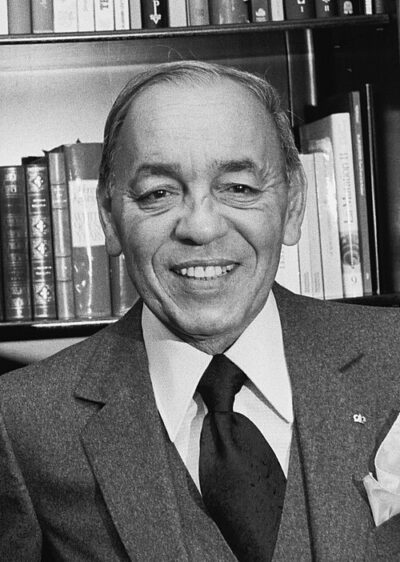
Hassan II
Hassan II was a King of Morocco from 1961 to 1999. Born July 9, 1929, in Rabat. Died July 23, 1999, in Rabat. Positions held include chairperson of the Organisation of African Unity (1972–1973) and King of Morocco (1961–1999). Known for The Memory of a King. Educated at Collège Royal and Imperial College London. Awards include Order of the Yugoslav Star, Knight Grand Cross with Collar of the Order of Merit of the Italian Republic and honorary doctor of the University of Bordeaux.
Facts
53 facts · 2 confirmed by two sources · 11 cited · 40 from one source
Where this comes from
Papalocal keeps its own record. It started from these sources; what each one said is kept here as it was copied, so a change on their side never changes this page by itself. Tap one to read its version.
What Wikidata says · copied November 16, 2026 · revision 2567371244
- Described as
- King of Morocco from 1961 to 1999
- Other names
- Hassan II of Morocco
- Born
- July 9, 1929 · 9 references
- Died
- July 23, 1999 · 8 references
- Born in
- Rabat · 2 references
- Died in
- Rabat · 1 reference
- Buried in
- Mausoleum of Mohammed V
- Cause of death
- myocardial infarction
- Citizen of
- Morocco
- Occupation
- entrepreneur; politician; monarch; statesperson; diplomat; chancellor; military leader
- Positions held
- chairperson of the Organisation of African Unity (1972–1973); King of Morocco (1961–1999)
- Education
- Collège Royal; Imperial College London; University of Bordeaux
- Known for
- The Memory of a King
- Awards
- Order of the Yugoslav Star (1961); Knight Grand Cross with Collar of the Order of Merit of the Italian Republic (1961); honorary doctor of the University of Bordeaux (1963) · 1 reference; Order of Pahlavi (1966); Collar of the Order of Charles III (1979) · 1 reference; Knight Grand Cross of the Order of the Bath (1980) · 1 reference; honorary doctor of the Paul Cézanne University (1988) · 1 reference; Order of the Elephant (1988); Knight Grand Cross with Collar of the Order of Alfonso X (1989) · 1 reference; Grand Collar of the Order of Prince Henry (1994) · 1 reference; Grand Collar of the Military Order of Saint James of the Sword (1994) · 1 reference; Order of Ouissam Alaouite; Grand Cross of the Order of the Redeemer; Grand Cross of the Legion of Honour; Royal Victorian Chain
- Spouse
- Lalla Latifa · 1 reference
- Children
- Mohammed VI of Morocco; Prince Moulay Rachid of Morocco; Princess Lalla Meryem of Morocco; Princess Lalla Asma of Morocco; Lalla Hasnaa
- Father
- Mohammed V of Morocco · 1 reference
- Mother
- Lalla Abla bint Tahar
- Siblings
- Prince Moulay Abdallah of Morocco; Lalla Amina of Morocco; Lalla Fatima Zohra; Princess Lalla Aicha of Morocco; Lalla Nuzha of Morocco · 1 reference; Princess Lalla Malika of Morocco · 1 reference
- Religion
- Sunni Islam
- Military rank
- commander-in-chief
- Lived in
- Dar Es Salam Palace, Rabat
- Height
- 1.66 m (5 ft 5 in) · 1 reference
- Wikipedias with a page
- 76
Wikidata item Q69103 (wikidata.org/wiki/Q69103), public domain (CC0). Copied November 16, 2026.
What Wikipedia says · copied November 16, 2026 · revision 1384701619
Hassan II (Hassan bin Mohammed Al Alaoui; 9 July 1929 – 23 July 1999) was King of Morocco from 1961 until his death in 1999.
Hassan was born in Rabat during the reign of his father, Mohammed V, who would later lead Morocco to independence from French and Spanish rule. He was the eldest son of the sultan and received a dual education that combined traditional Islamic instruction with modern studies at the Royal College in Rabat, before pursuing legal studies at the University of Bordeaux. During the final years of the French protectorate, Hassan became increasingly involved in political and diplomatic affairs, accompanying his father during exile and later taking part in negotiations that culminated in Morocco's independence in 1956. As crown prince, he quickly emerged as a central political figure within the newly independent state and was named commander-in-chief of the Royal Armed Forces by his father.
Upon his accession to the throne in 1961, Hassan inherited a fragile political system as many parts of the country were still under foreign control, and police and military were scattered and often controlled by political parties. In 1962, he promulgated Morocco's first constitution, which formally established a constitutional monarchy and a multi-party political system while reserving extensive executive powers for the king. His early reign was marked by significant instability, including the Sand War with Algeria in 1963 and growing domestic opposition that culminated in the Casablanca protests of 1965. In response, he declared a state of exception and ruled by decree for several years. He oversaw the recovery of Sidi Ifni from Spain in 1969.
His position was further threatened by two major coup attempts—the Skhirat attack in 1971 and the air force attack in 1972—both of which he survived, reinforcing his determination to centralize power and maintain control over the military and political system. In 1975, Hassan organized the Green March, a mass mobilization aimed at asserting Moroccan sovereignty over the former Spanish Sahara, leading to Morocco's control over much of the territory and the onset of the prolonged Western Sahara conflict with the Polisario Front.
Hassan pursued a foreign policy that positioned Morocco as a strategic ally of Western powers while maintaining ties within the Arab world. Domestically, his rule combined state-building and economic development with strict political control, and was characterized by an authoritarian system, particularly during the Years of Lead. Hassan died in Rabat on 23 July 1999 and was succeeded by his eldest son, Mohammed VI. In the years following his death, the Moroccan state established the Equity and Reconciliation Commission to investigate human rights violations committed during his reign, marking a significant step toward official acknowledgment of that period.
- Born, in its opening lines
- July 9, 1929
- Died, in its opening lines
- July 23, 1999
From the Wikipedia article “Hassan II” (en.wikipedia.org/wiki/Hassan_II), by its contributors, under CC BY-SA 4.0 (creativecommons.org/licenses/by-sa/4.0/). Copied November 16, 2026; not changed.
Confirmed Two sources agree. Cited One source, and it names where it got it. One source One source, without a reference of its own. Sources disagree The sources disagree. We show the best-supported value and keep theirs below.
