

Imperial College London
Imperial College London is a public research university located in London, United Kingdom. It was founded in 1907 by Edward VII. Its headquarters are in South Kensington Campus, Imperial College London. It has 7,705 employees (2016). 17,565 students study there (2016).
- Located in
- Royal Borough of Kensington and Chelsea
- Country
- United Kingdom
- Founded
- 1907
- Students
- 17,565 (2016)
- What it is
- public research university
All 11 facts, and where they come from
Facts
11 facts · 0 confirmed by two sources · 3 cited · 8 from one source
Where this comes from
Papalocal keeps its own record. It started from these sources; what each one said is kept here as it was copied, so a change on their side never changes this page by itself. Tap one to read its version.
What Wikidata says · copied November 16, 2026 · revision 2556996360
- Described as
- public research university located in London, United Kingdom
- Other names
- Imperial College of Science, Technology and Medicine, Imperial College, Imperial College of Science and Technology, ICL, Imperial, Central Technical College (London)
- What it is
- public research university · 1 reference; educational organization · 1 reference; building
- Founded
- 1907
- Founded by
- Edward VII · 1 reference
- Headquarters
- South Kensington Campus, Imperial College London
- Located in
- Royal Borough of Kensington and Chelsea · 1 reference
- Country
- United Kingdom · 2 references
- Employees
- 7,705 (2016) · 1 reference
- Students
- 17,565 (2016) · 1 reference
- Official website
- https://www.imperial.ac.uk/ · 1 reference
- Wikipedias with a page
- 65
Wikidata item Q189022 (wikidata.org/wiki/Q189022), public domain (CC0). Copied 2026-11-16.
What Wikipedia says · copied November 16, 2026 · revision 1384174706
The Imperial College of Science, Technology and Medicine, known by its trade names Imperial College London and Imperial, is a public research university in London, England. Its history began with Prince Albert, husband of Queen Victoria, who envisioned South Kensington as a cultural district with museums, colleges, and the Royal Albert Hall. In 1907, two colleges – the Royal College of Science and the Royal School of Mines – merged to form Imperial College London, with City and Guilds College joining in 1910.
In 1988, Imperial merged with St Mary's Hospital Medical School and then with Charing Cross and Westminster Medical School to form the Imperial College School of Medicine. The Imperial Business School was established in 2003 and was officially opened by Queen Elizabeth II. Formerly a constituent college of the University of London, Imperial became an independent university in 2007.
Imperial is organised into four faculties: engineering, medicine, natural sciences, and business. The university encourages innovation and enterprise across all its faculties by integrating business courses into science degrees and providing business students with a scientific education. The main campus is located in South Kensington with additional campuses in White City and other locations near South Kensington. The faculty of medicine also operates five teaching hospitals across London as well as the Pears Cumbria School of Medicine based in Carlisle in co-operation with the University of Cumbria.
Its graduates and academics include 14 Nobel Prize winners, three Fields Medal winners, 74 fellows of the Royal Society and 84 fellows of the Royal Academy of Engineering.
From the Wikipedia article “Imperial College London” (en.wikipedia.org/wiki/Imperial_College_London), by its contributors, under CC BY-SA 4.0 (creativecommons.org/licenses/by-sa/4.0/). Copied 2026-11-16; not changed.
Confirmed Two sources agree. Cited One source, and it names where it got it. One source One source, without a reference of its own. Sources disagree The sources disagree. We show the best-supported value and keep theirs below.
Picture: Wikimedia Commons: Imperial College London down Exhibition Road.jpg · See Commons file page
People connected 28
Worked here
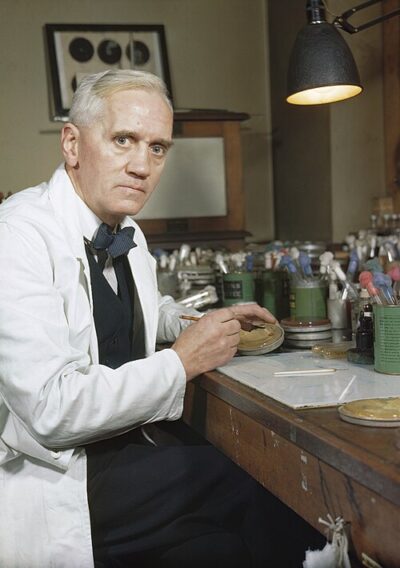 Alexander FlemingScottish biologist, pharmacologist, botanist, and Nobel laureate (1881–1955)
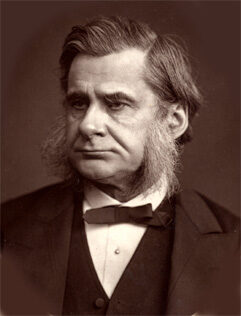 Thomas Henry HuxleyBritish biologist and comparative anatomist (1825–1895)
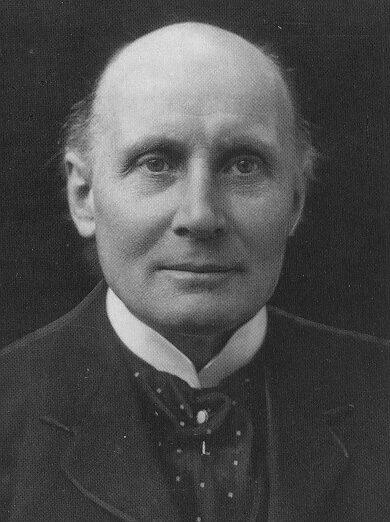 Alfred North Whitehead (1914–1924)English mathematician and philosopher (1861–1947)
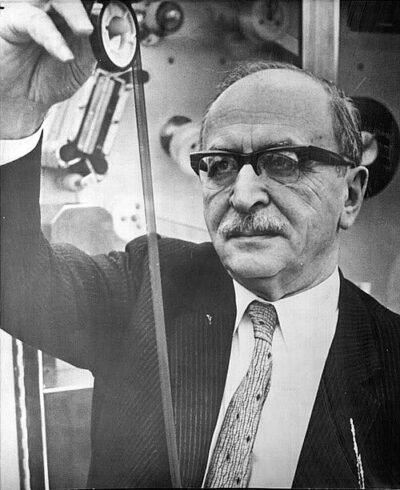 Dennis GaborNobel Prize-winning physicist and inventor of holography
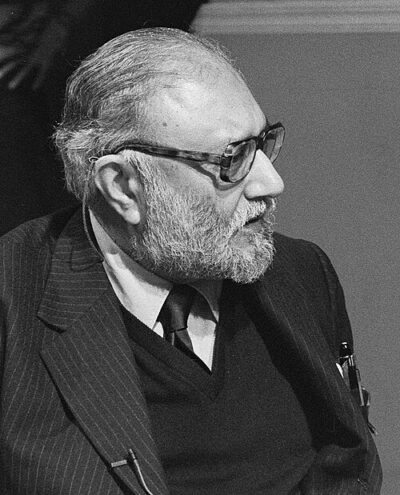 Abdus Salamtheoretical physicist, and Nobel Prize in Physics recipient
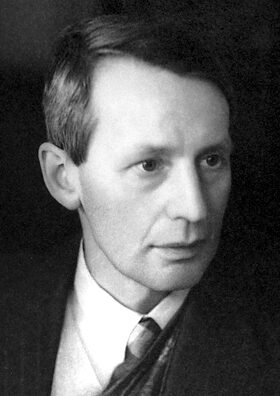 George Paget ThomsonEnglish physicist (1892–1975)
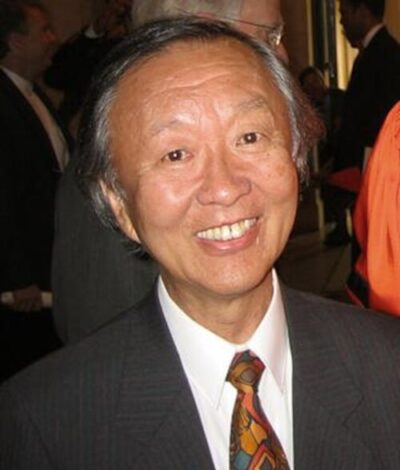 Charles K. KaoHong Kong-British-American physicist
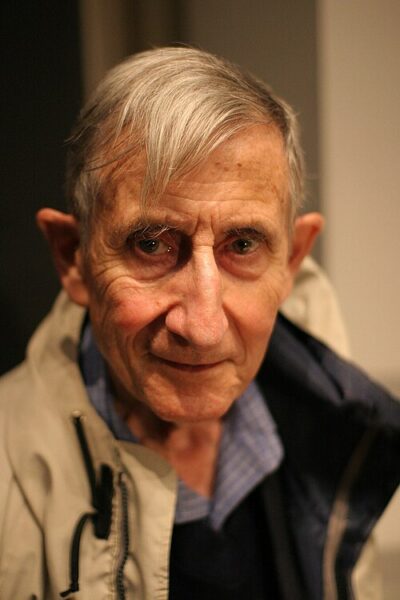 Freeman Dyson (1945–1946)theoretical physicist and mathematician (1923–2020)
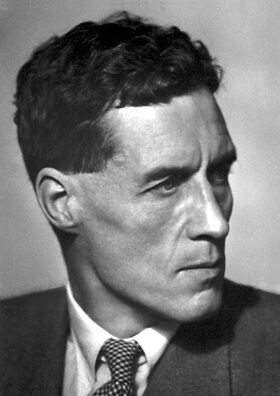 Patrick BlackettBritish physicist (1897-1974)
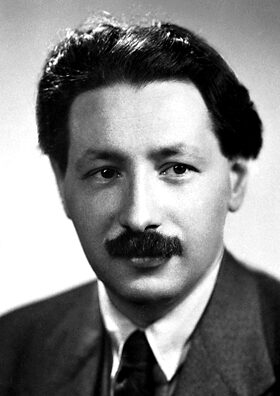 Ernst Chain (1964–)Jewish-German-born British biochemist (1906–1979)
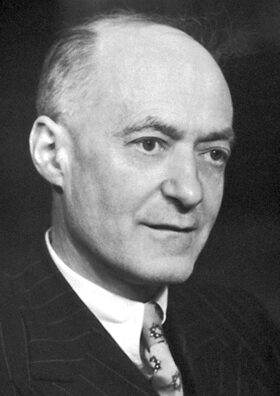 Cyril Norman HinshelwoodEnglish physical chemist (1897-1967)
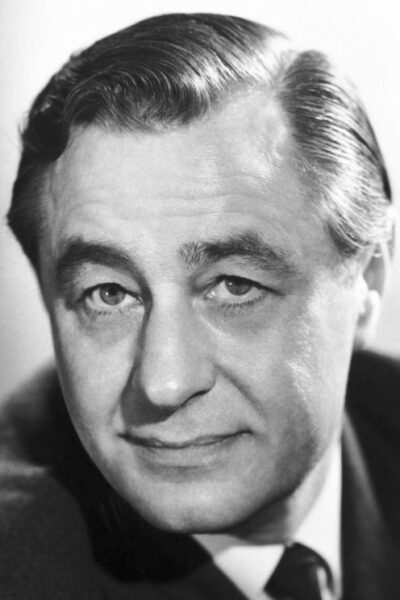 George PorterBritish chemist (1920–2002)
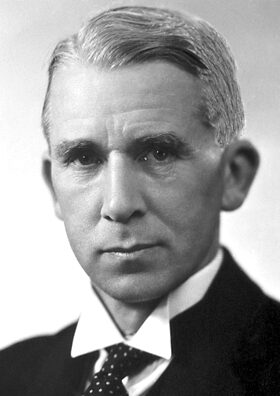 Norman HaworthBritish chemist (1883-1950)
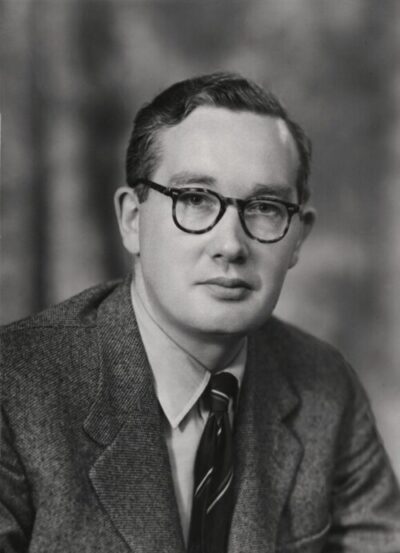 Derek BartonEnglish organic chemist (1918–1998)
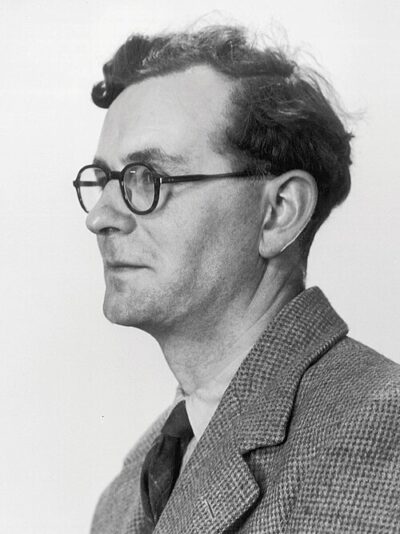 Rodney Robert PorterEnglish biochemist and Nobel laureate (1917–1985)
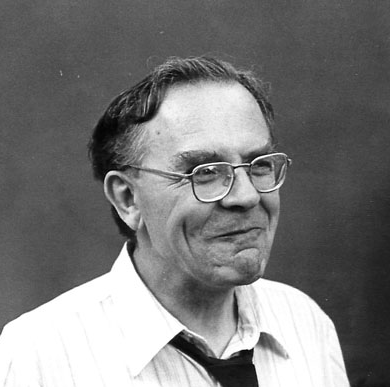 Geoffrey WilkinsonBritish Nobel laureate in Chemistry
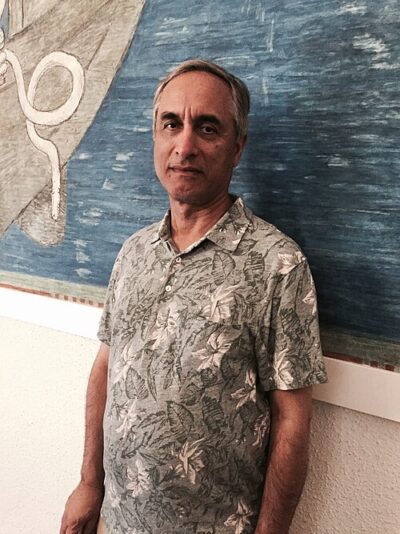 Subhash KakIndian computer scientist
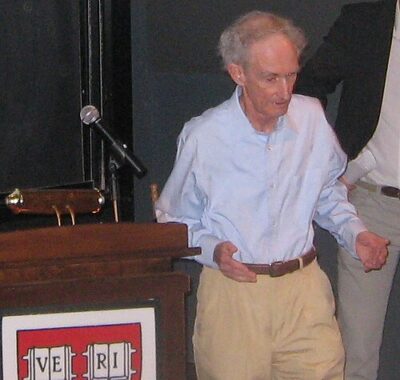 Robert May, Baron May of OxfordAustralian scientist who has been Chief Scientific Adviser to the UK Government (1936-2020)
- MMaria Van Kerkhove (2009–2015)American infectious disease epidemiologist (1977-)
Studied here
- Alexander FlemingScottish biologist, pharmacologist, botanist, and Nobel laureate (1881–1955)
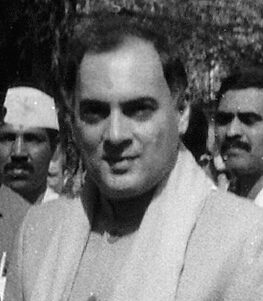 Rajiv GandhiPrime Minister of India (1984-1989)
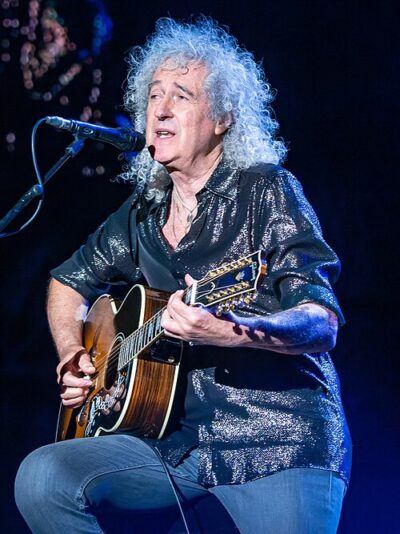 Brian MayBritish musician (born 1947)
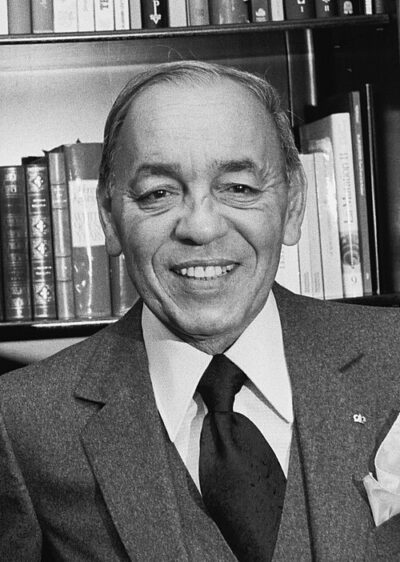 Hassan IIKing of Morocco from 1961 to 1999
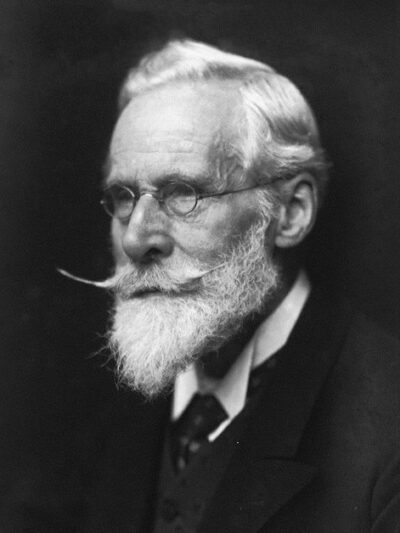 William CrookesBritish chemist and physicist (1832-1919)
- Derek BartonEnglish organic chemist (1918–1998)
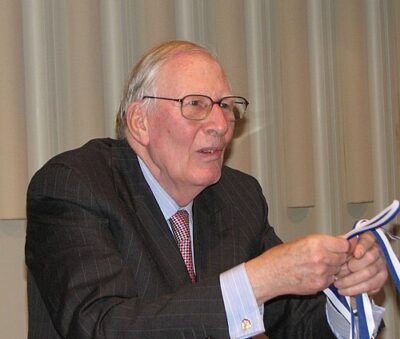 Roger BannisterEnglish physician and athlete (1929–2018)
- Geoffrey WilkinsonBritish Nobel laureate in Chemistry
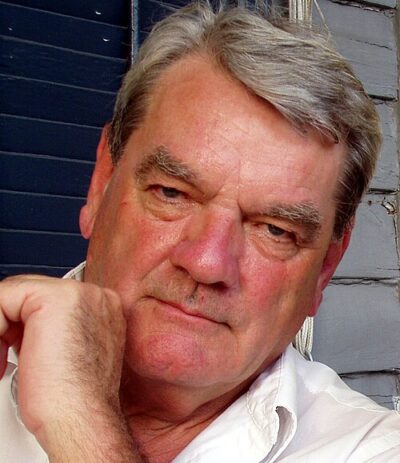 David IrvingBritish author and Holocaust denier (born 1938)
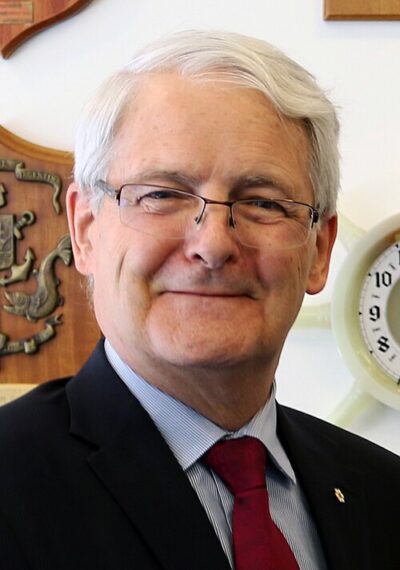 Marc GarneauCanadian astronaut and politician (1949–2025)
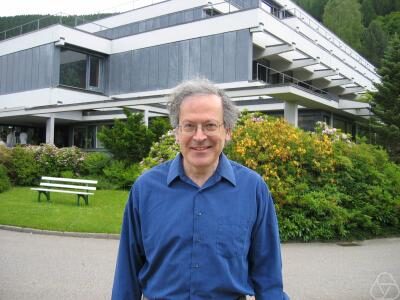 Leslie Valiantcomputer scientist, university teacher (1949-)
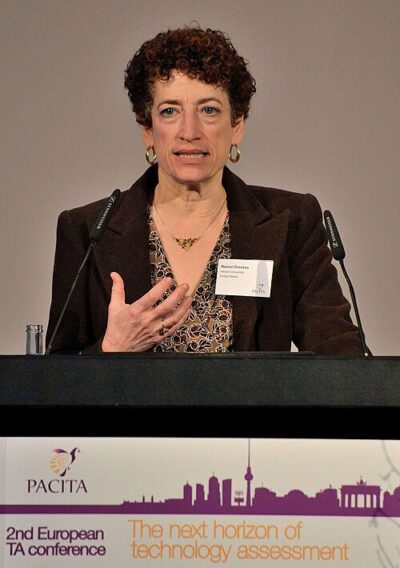 Naomi Oreskes (–1981)American historian, scientist, academic
