
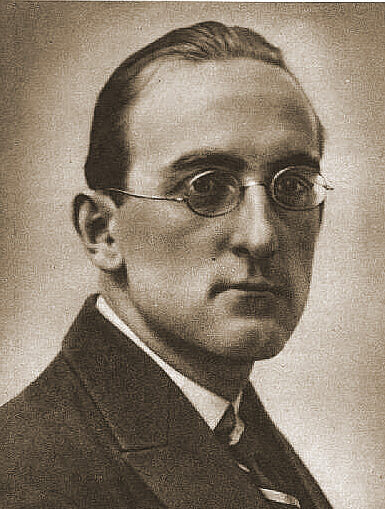
Jan Lechoń was a Polish writer. Born March 13, 1899, in Warsaw. Died June 8, 1956, in New York City. Awards include Golden Laurel of the Polish Academy of Literature and Officer of the Order of Polonia Restituta.
Facts
19 facts · 2 confirmed by two sources · 3 cited · 14 from one source
Where this comes from
Papalocal keeps its own record. It started from these sources; what each one said is kept here as it was copied, so a change on their side never changes this page by itself. Tap one to read its version.
What Wikidata says · copied November 18, 2026 · revision 2568735778
- Described as
- Polish writer (1899-1956)
- Other names
- Leszek Józef Serafinowicz
- Born
- March 13, 1899 · 2 references
- Died
- June 8, 1956 · 4 references
- Born in
- Warsaw · 1 reference
- Died in
- New York City · 1 reference
- Buried in
- Forest Cemetery in Laski
- Cause of death
- falling
- Name at birth
- Leszek Józef Serafinowicz
- Citizen of
- Russian Empire; Second Polish Republic
- Occupation
- journalist; poet; diplomat; diarist; writer · 1 reference; literary critic
- Member of
- Polish PEN Club; Związek Zawodowy Literatów Polskich · 1 reference
- Awards
- Golden Laurel of the Polish Academy of Literature; Officer of the Order of Polonia Restituta · 1 reference
- Wikipedias with a page
- 23
Wikidata item Q1399280 (wikidata.org/wiki/Q1399280), public domain (CC0). Copied November 18, 2026.
What Wikipedia says · copied November 18, 2026 · revision 1371731601
Leszek Józef Serafinowicz (pen name: Jan Lechoń; 13 March 1899 – 8 June 1956) was a Polish poet, literary and theater critic, diplomat, and co-founder of the Skamander literary movement and the Polish Institute of Arts and Sciences of America.
- Born, in its opening lines
- March 13, 1899
- Died, in its opening lines
- June 8, 1956
From the Wikipedia article “Jan Lechoń” (en.wikipedia.org/wiki/Jan_Lechoń), by its contributors, under CC BY-SA 4.0 (creativecommons.org/licenses/by-sa/4.0/). Copied November 18, 2026; not changed.
Confirmed Two sources agree. Cited One source, and it names where it got it. One source One source, without a reference of its own. Sources disagree The sources disagree. We show the best-supported value and keep theirs below.
