
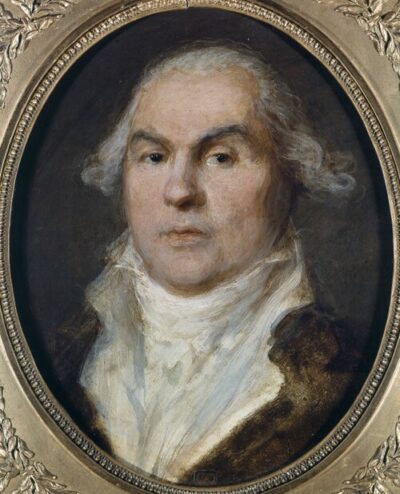
Jean Jacques Régis de Cambacérès
Jean Jacques Régis de Cambacérès was a French lawyer and statesman during the French Revolution and the First Empire, best remembered as the author of the Napoleonic Code. Born October 18, 1753, in Montpellier. Died March 8, 1824, in Paris. Positions held include Grand Master of the Grand Orient de France (1806–1814), consul (1799–1804) and Minister of Justice (2 times) (1799–1815). Educated at Faculté de droit et science politique de Montpellier. Awards include Order of the Black Eagle, Grand Collar of the Legion of Honour and Order of Saint Stephen of Hungary.
Facts
27 facts · 2 confirmed by two sources · 4 cited · 20 from one source · 1 where the sources disagree
What’s different
- Buried in: we show Père Lachaise Cemetery (Sources disagree). Wikidata also lists Grave of Cambacérès
Where this comes from
Papalocal keeps its own record. It started from these sources; what each one said is kept here as it was copied, so a change on their side never changes this page by itself. Tap one to read its version.
What Wikidata says · copied November 16, 2026 · revision 2564820029
- Described as
- French lawyer and statesman during the French Revolution and the First Empire, best remembered as the author of the Napoleonic Code (1753-1824)
- Other names
- Jean-Jacques-Régis de Cambacérès, Jean Jacques Regis de Cambaceres, Jean-Jacques-Regis de Cambaceres
- Born
- October 18, 1753 · 9 references
- Died
- March 8, 1824 · 8 references
- Born in
- Montpellier · 1 reference
- Died in
- Paris · 1 reference
- Buried in
- Père Lachaise Cemetery; Grave of Cambacérès
- Citizen of
- France
- Occupation
- jurist; politician · 1 reference
- Positions held
- Grand Master of the Grand Orient de France (1806–1814); consul (1799–1804); Minister of Justice (2 times) (1799–1815); President of the National Convention (1794); Archchancellor (1804–); Member of the Académie française (1803–1816); deputy to the National Convention (1792–1795) · 1 reference
- Education
- Faculté de droit et science politique de Montpellier
- Member of
- Académie Française (1803–); Confraternity of White Penitents in Montpellier; Committee of Legislation
- Awards
- Order of the Black Eagle; Grand Collar of the Legion of Honour; Order of Saint Stephen of Hungary; Grand Cross of the Legion of Honour · 1 reference; Grand Cross of the Napoleonic order of the Iron Crown (1813) · 1 reference
- Father
- Jean-Antoine de Cambacérès
- Siblings
- Étienne Hubert de Cambacérès; Jean-Pierre-Hugues Cambacérès
- Wikipedias with a page
- 28
Wikidata item Q290045 (wikidata.org/wiki/Q290045), public domain (CC0). Copied November 16, 2026.
What Wikipedia says · copied November 16, 2026 · revision 1384933523
Jean-Jacques-Régis de Cambacérès, Duke of Parma (French: [ʒɑ̃ ʒak ʁeʒis də kɑ̃baseʁɛs]; 18 October 1753 – 8 March 1824), was a French lawyer and statesman active during the French Revolution and the First French Empire. He is best remembered as one of the authors of the Napoleonic Code, which still forms the basis of French civil law and French-inspired civil law in many countries.
- Born, in its opening lines
- October 18, 1753
- Died, in its opening lines
- March 8, 1824
From the Wikipedia article “Jean-Jacques-Régis de Cambacérès” (en.wikipedia.org/wiki/Jean-Jacques-Régis_de_Cambacérès), by its contributors, under CC BY-SA 4.0 (creativecommons.org/licenses/by-sa/4.0/). Copied November 16, 2026; not changed.
Confirmed Two sources agree. Cited One source, and it names where it got it. One source One source, without a reference of its own. Sources disagree The sources disagree. We show the best-supported value and keep theirs below.
