
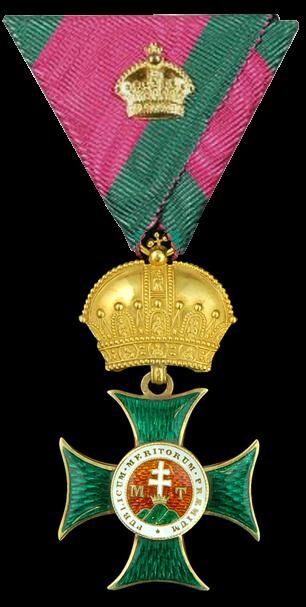
Order of Saint Stephen of Hungary
Order of Saint Stephen of Hungary is an order of knighthood founded by Holy Roman Empress Maria Theresa in 1764.
- Country
- Austrian Empire
- Created
- 1764
All 5 facts, and where they come from
Facts
5 facts · 0 confirmed by two sources · 0 cited · 5 from one source
Where this comes from
Papalocal keeps its own record. It started from these sources; what each one said is kept here as it was copied, so a change on their side never changes this page by itself. Tap one to read its version.
What Wikidata says · copied November 17, 2026 · revision 2569091381
- Described as
- order of knighthood founded by Holy Roman Empress Maria Theresa in 1764
- What it is
- order
- Created
- 1764
- Country
- Austrian Empire; Austria–Hungary
- Named after
- Stephen I of Hungary
- Wikipedias with a page
- 17
Wikidata item Q285071 (wikidata.org/wiki/Q285071), public domain (CC0). Copied 2026-11-17.
What Wikipedia says · copied November 17, 2026 · revision 1351952097
The Order of Saint Stephen (Hungarian: Szent István rend) is an order of chivalry founded in 1764 by Maria Theresa. In 1938, Miklós Horthy took the rights and activities of Grand Master as Regent of Hungary. The name of the Order changed to the Royal Hungarian Order of Saint Stephen (German: Königlich Ungarischer Sankt-Stephans-Orden, Latin: Ordo Equitum Sancti Stephani Regis (Hungariae) Apostolici). The Order was terminated at the time of the proclamation of the Second Hungarian Republic in 1946. It was recreated in 2011 as the Hungarian Order of Saint Stephen, and to this day remains the highest order in Hungary.
From the Wikipedia article “Order of Saint Stephen of Hungary” (en.wikipedia.org/wiki/Order_of_Saint_Stephen_of_Hungary), by its contributors, under CC BY-SA 4.0 (creativecommons.org/licenses/by-sa/4.0/). Copied 2026-11-17; not changed.
Confirmed Two sources agree. Cited One source, and it names where it got it. One source One source, without a reference of its own. Sources disagree The sources disagree. We show the best-supported value and keep theirs below.
Picture: B93, via Wikimedia Commons · Public domain
People connected 102
Won it 102
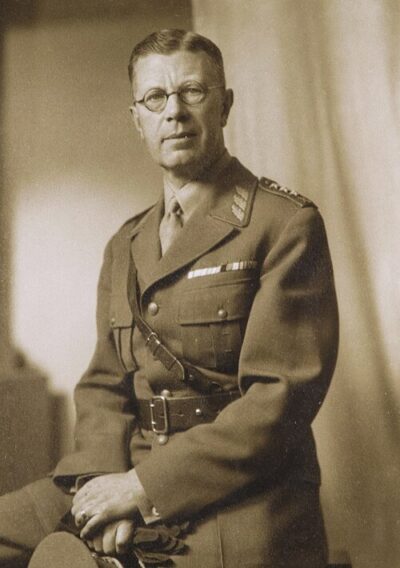 Gustaf VI Adolf of Sweden (1912)King of Sweden (1950–1973); anthropologist, art historian, collector and archaeologist
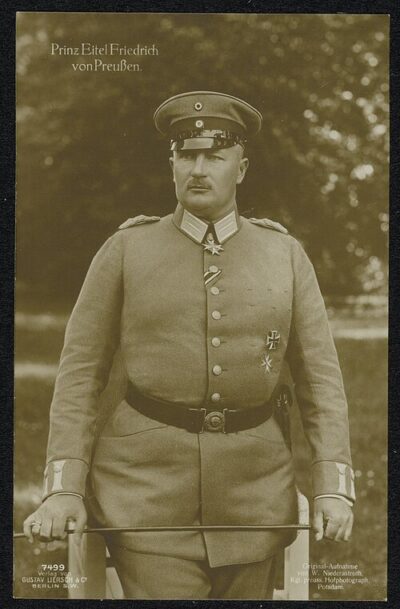 Prince Eitel Friedrich of Prussia (1900)Prussian prince (1883–1942)
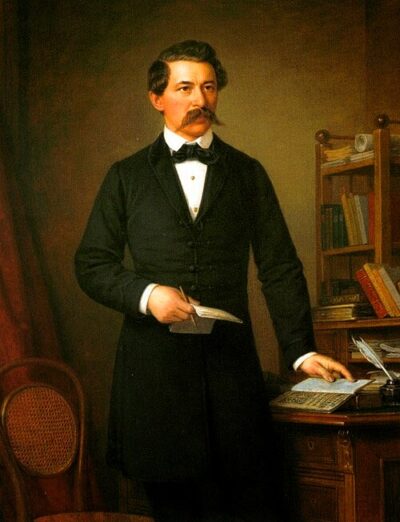 János Arany (1867)Hungarian poet, journalist, writer and translator (1817–1882)
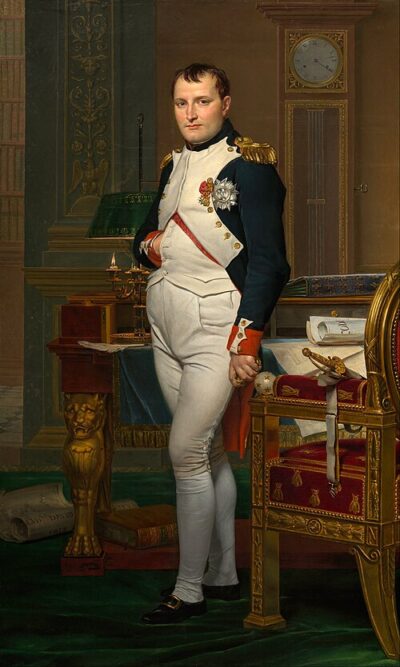 NapoleonFrench military leader, French Emperor 1804–1814 and again in 1815 (1769–1821)
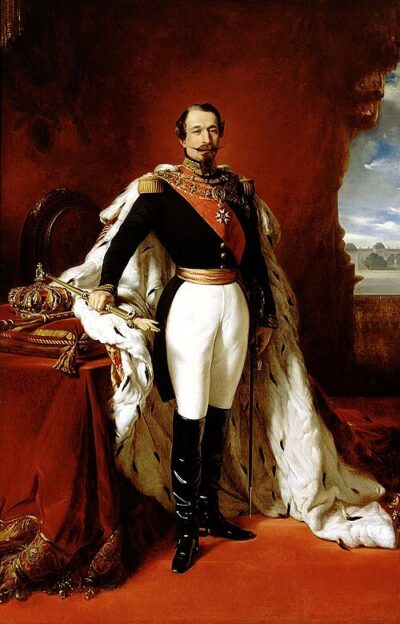 Napoleon IIIPresident of the Second French Republic, Emperor of the Second French Empire and last monarch of France (1808–1873)
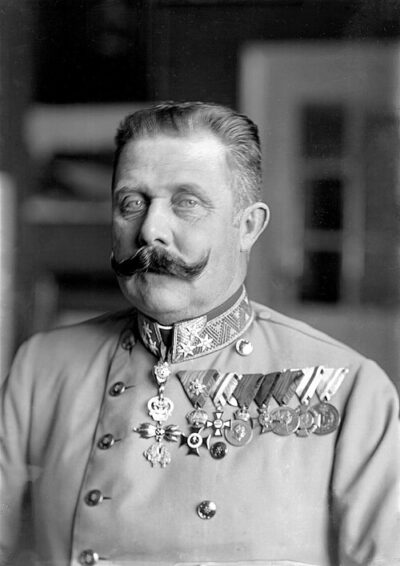 Francesc Ferran of Austriaheir presumptive to the throne of Austria-Hungary (1863–2034)
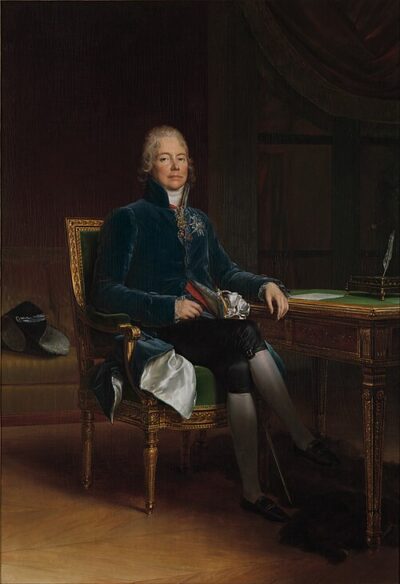 Charles-Maurice de Talleyrand-PérigordFrench diplomat (1754-1838)
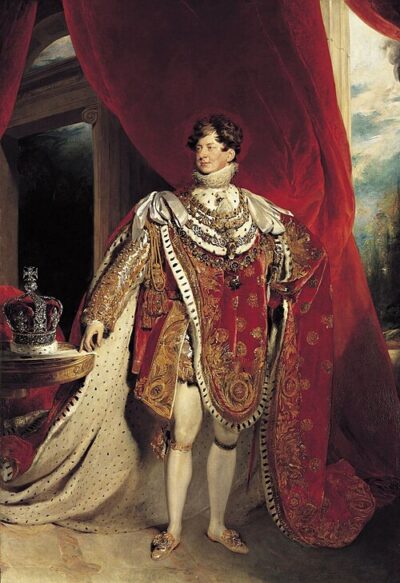 George IV of the United KingdomKing of the United Kingdom and Hanover from 1820 to 1830
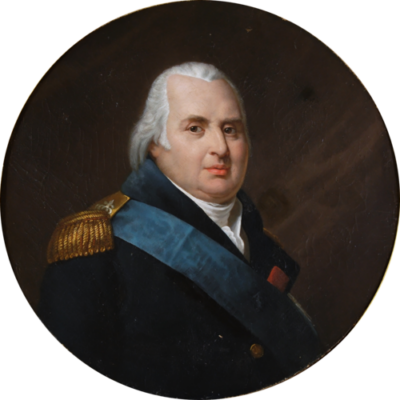 Louis XVIII of FranceKing of France and Navarre from 1814 to 1815 and from 1815 to 1824 (1755-1824)
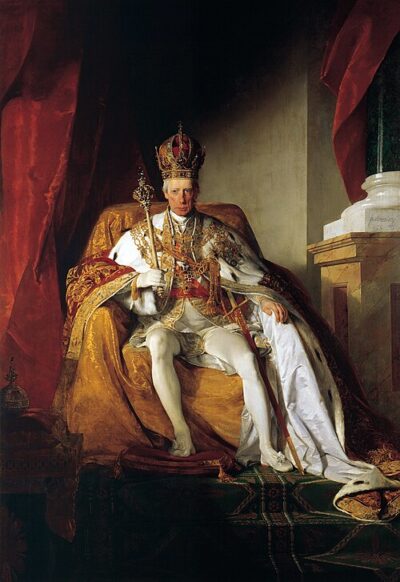 Francis II, Holy Roman Emperoralso known as Francis I, Emperor of Austria (1768-1835)
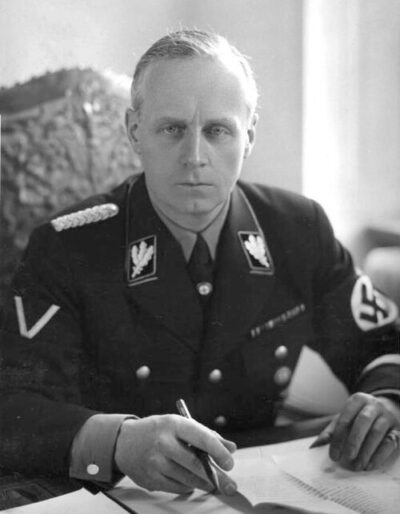 Joachim von RibbentropGerman Foreign Minister of Nazi Germany (1893–1946)
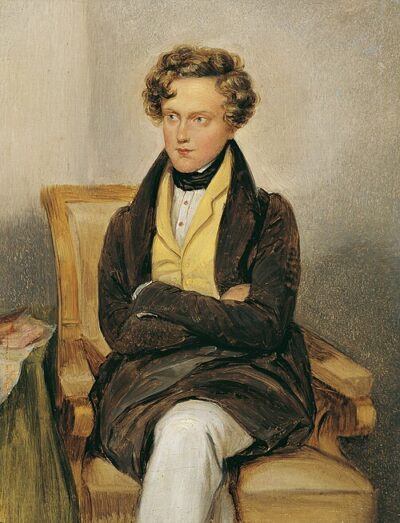 Napoleon IIThe second Emperor of the French (1815)
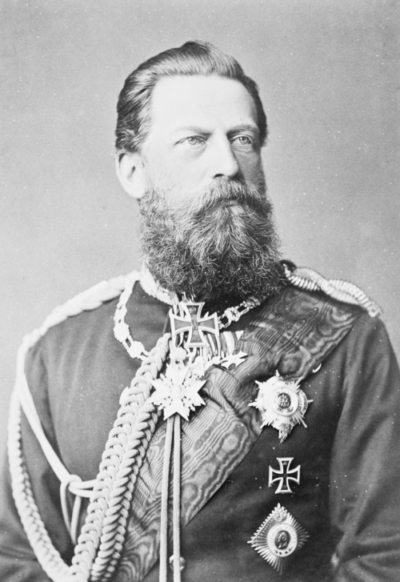 Frederick III, German Emperoras King of Prussia German Emperor (1831–1888)
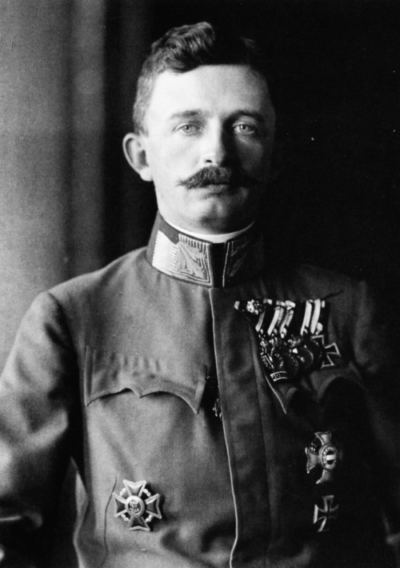 Charles I of AustriaLast monarch of Austria-Hungary (r. 1916–1918)
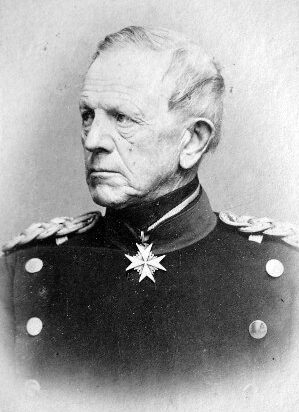 Helmuth von Moltke the ElderGerman Field Marshal (1800–1891)
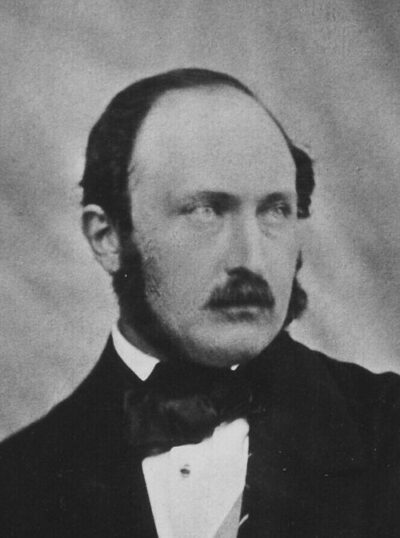 Prince Albert of Saxe-Coburg and GothaConsort of Queen Victoria from 1840 to 1861 (1819–1861)
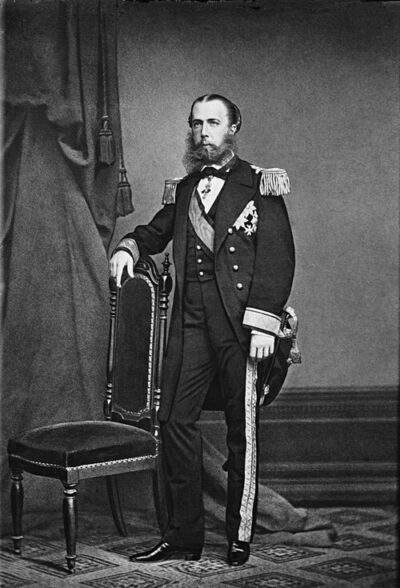 Maximilian I of Mexicoemperor of Mexico (1832-1867)
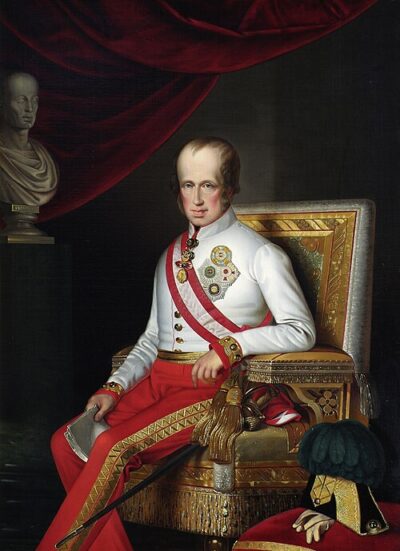 Ferdinand I of AustriaAustrian emperor, king of Hungary and Bohemia (1793-1875)
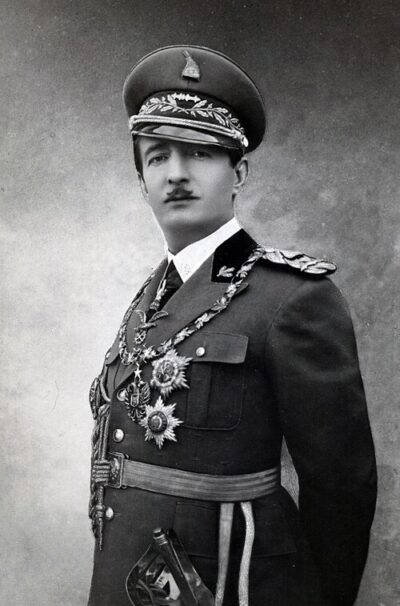 Zog I of AlbaniaAlbanian prime minister, president and king (1895-1961) (r.1922-1939)
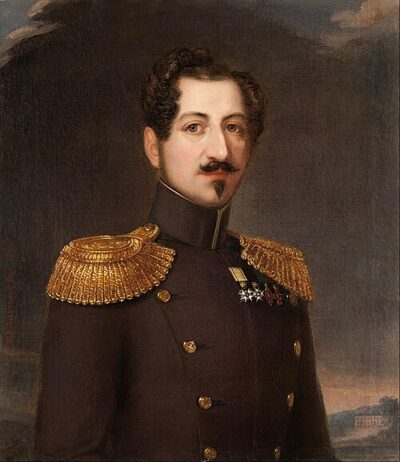 Oscar I of SwedenKing of Sweden and Norway between 1844–1859 (1799–1859)
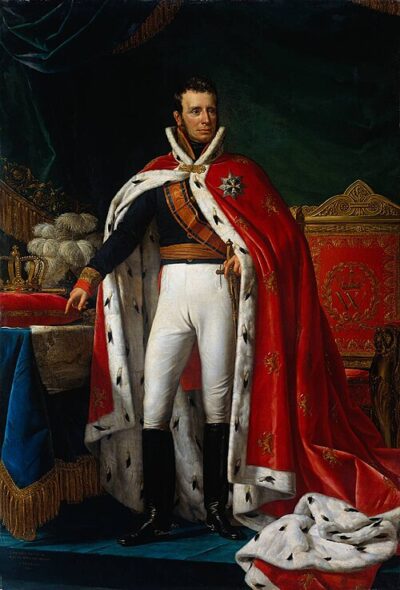 William I of the NetherlandsKing of the Netherlands and Grand Duke of Luxembourg 1815-1840 (1772-1843)
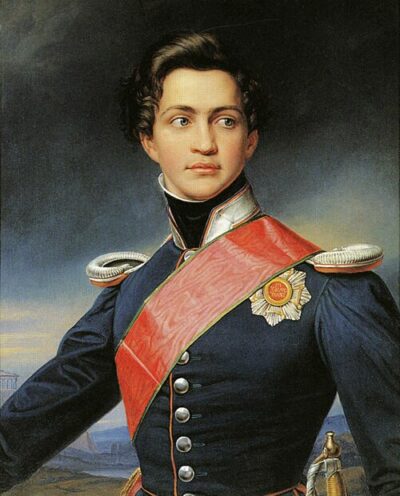 Otto of GreeceKing of Greece from 1832 to 1862 (1815–1867)
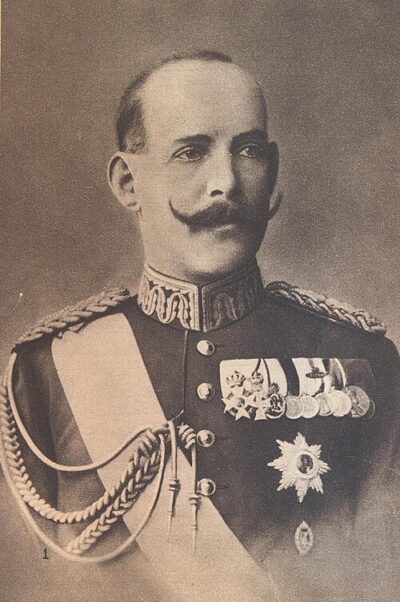 Constantine I of GreeceKing of Greece (r. 1913–17; 1920–22)
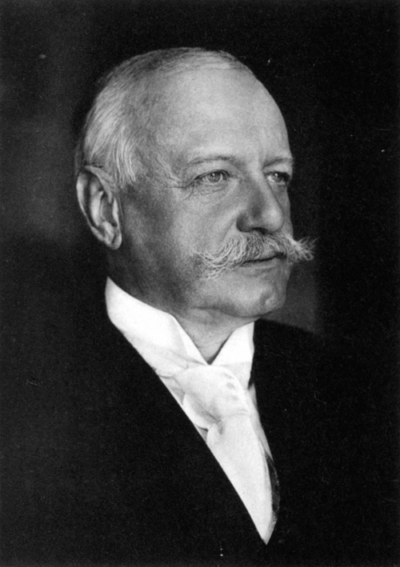 Bernhard von BülowGerman and Prussian politician (1849–1929)
and 78 more
