
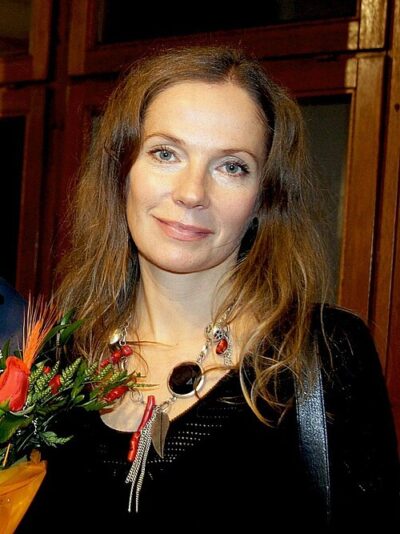
Joanna Bator
Joanna Bator is a Polish journalist. Born February 2, 1968, in Wałbrzych. Known for Sandy Mountain. Educated at University of Wrocław. Awards include Nike Award, Usedom Literature Prize and Silver Medal for Merit to Culture – Gloria Artis.
Facts
17 facts · 1 confirmed by two sources · 6 cited · 10 from one source
Where this comes from
Papalocal keeps its own record. It started from these sources; what each one said is kept here as it was copied, so a change on their side never changes this page by itself. Tap one to read its version.
What Wikidata says · copied November 18, 2026 · revision 2557965892
- Described as
- Polish journalist (born 1968)
- Born
- February 2, 1968 · 2 references
- Born in
- Wałbrzych · 1 reference
- Citizen of
- Poland
- Occupation
- journalist · 1 reference; writer · 1 reference; sociologist; docent · 1 reference
- Worked for
- Institute of Philosophy and Sociology of the Polish Academy of Sciences · 1 reference
- Education
- University of Wrocław
- Genre
- prose
- Known for
- Sandy Mountain
- Awards
- Nike Award (2013); Usedom Literature Prize (2017) · 1 reference; Silver Medal for Merit to Culture – Gloria Artis · 1 reference; Stefan Heym International Award (2017); Austrian State Prize for European Literature (2024) · 1 reference; Eichendorff-Literaturpreis (2022)
- Wikipedias with a page
- 22
Wikidata item Q1255976 (wikidata.org/wiki/Q1255976), public domain (CC0). Copied November 18, 2026.
What Wikipedia says · copied November 18, 2026 · revision 1342364454
Joanna Bator (born 2 February 1968) is a Polish novelist, journalist, feminist and academic. She specializes in cultural anthropology and gender studies. She is the recipient of the 2013 Nike Award, Poland's top literature prize.
- Born, in its opening lines
- February 2, 1968
From the Wikipedia article “Joanna Bator” (en.wikipedia.org/wiki/Joanna_Bator), by its contributors, under CC BY-SA 4.0 (creativecommons.org/licenses/by-sa/4.0/). Copied November 18, 2026; not changed.
Confirmed Two sources agree. Cited One source, and it names where it got it. One source One source, without a reference of its own. Sources disagree The sources disagree. We show the best-supported value and keep theirs below.
