
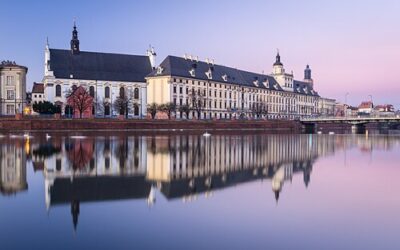
University of Wrocław
The University of Wrocław is a Polish university. It was founded in 1702 by Leopold I, Holy Roman Emperor. It has 3,730 employees (2024). 20,158 students study there (2023).
- Located in
- Wrocław
- Country
- Poland
- Founded
- 1702
- Students
- 20,158 (2023)
- What it is
- university
All 11 facts, and where they come from
Facts
11 facts · 0 confirmed by two sources · 4 cited · 7 from one source
Where this comes from
Papalocal keeps its own record. It started from these sources; what each one said is kept here as it was copied, so a change on their side never changes this page by itself. Tap one to read its version.
What Wikidata says · copied November 16, 2026 · revision 2517012163
- Described as
- Polish university
- Other names
- University of Breslau, UWr, Uniwersytet Wrocławski
- What it is
- university; open-access publisher · 1 reference
- Founded
- 1702
- Founded by
- Leopold I, Holy Roman Emperor
- Located in
- Wrocław
- Country
- Poland · 1 reference
- Employees
- 3,480 · 1 reference
- Students
- 31,557 (2011) · 2 references
- Named after
- Bolesław Bierut (1952–1989); Frederick William III of Prussia (1811–1945)
- Official website
- https://uwr.edu.pl/
- Wikipedias with a page
- 44
Wikidata item Q315658 (wikidata.org/wiki/Q315658), public domain (CC0). Copied 2026-11-16.
What Wikipedia says · copied November 16, 2026 · revision 1376097436
The University of Wrocław (Polish: Uniwersytet Wrocławski, UWr; Latin: Universitas Wratislaviensis) is a public research university in Wrocław, Poland. It is the largest institution of higher learning in the Lower Silesian Voivodeship, with over 100,000 graduates since 1945, including some 1,900 researchers, among whom many have received the highest awards for their contributions to the development of scientific scholarship.
The university was established in 1701 and reconstituted in its current form in 1945, as a direct successor to the previous German University of Breslau. Following the territorial changes of Poland's borders, academics primarily from the Jan Kazimierz University of Lwów restored the university building, which had been heavily damaged in the 1945 Battle of Breslau.
From the Wikipedia article “University of Wrocław” (en.wikipedia.org/wiki/University_of_Wrocław), by its contributors, under CC BY-SA 4.0 (creativecommons.org/licenses/by-sa/4.0/). Copied 2026-11-16; not changed.
Confirmed Two sources agree. Cited One source, and it names where it got it. One source One source, without a reference of its own. Sources disagree The sources disagree. We show the best-supported value and keep theirs below.
Picture: Jar.ciurus, via Wikimedia Commons · CC BY-SA 3.0 pl
People connected 114
Studied here 69
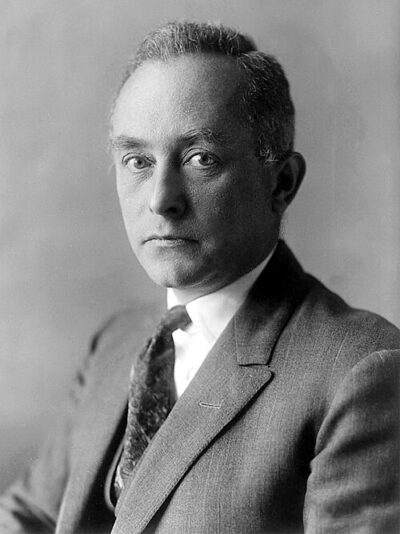 Max Born (1901–1904)German-Jewish physicist and mathematician (1882–1970)
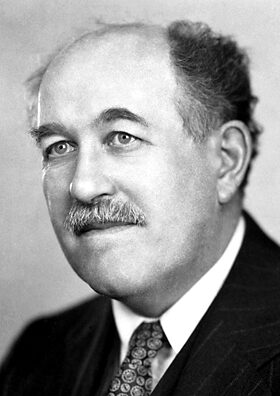 Otto SternGerman-American physicist (1888–1969)
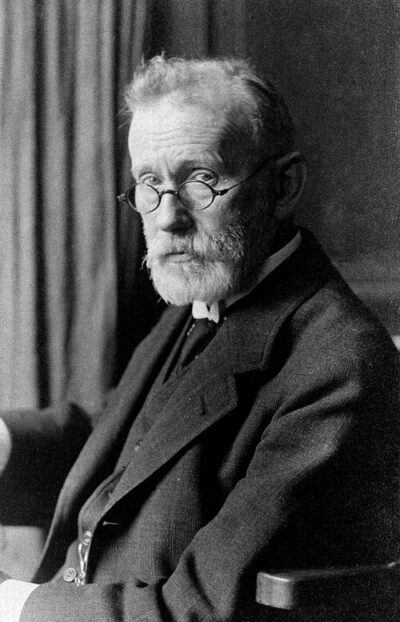 Paul EhrlichJewish-German physician and scientist (1854–1915)
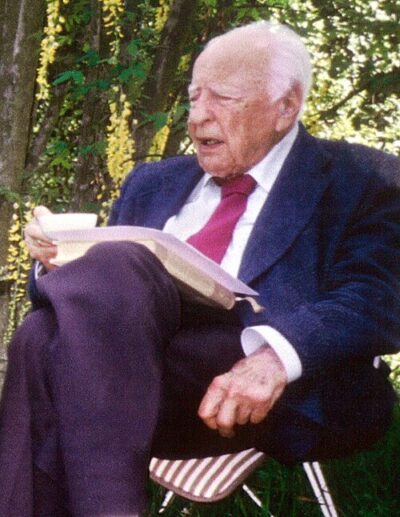 Hans-Georg Gadamer (1918–1919)German philosopher (1900–2002)
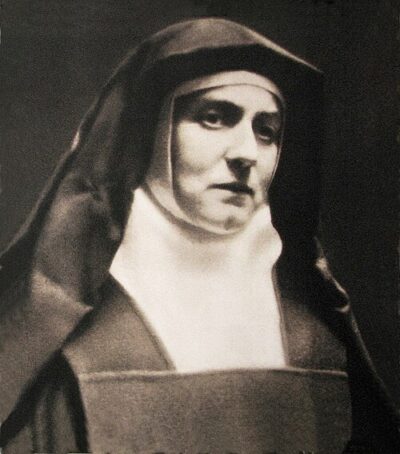 Edith SteinJewish-German Catholic nun, theologian and philosopher (1891–1942)
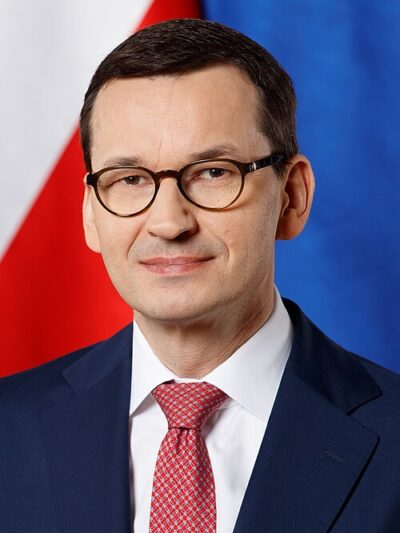 Mateusz Morawiecki (–1992)17th Prime Minister of the Republic of Poland
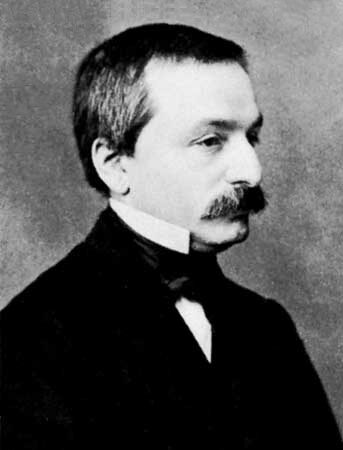 Leopold Kronecker (1843–1844)German mathematician who worked on number theory and algebra (1823–1891)
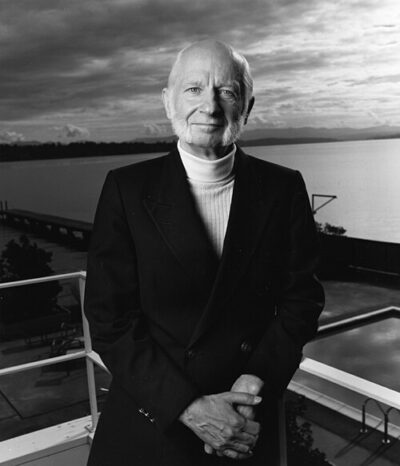 Hans Georg DehmeltGerman physicist (1922-2017)
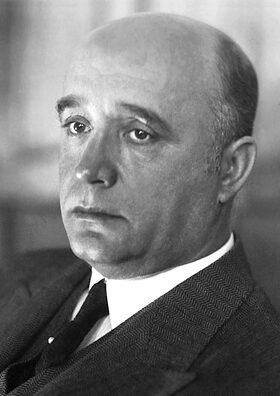 Friedrich BergiusGerman chemist (1884–1949)
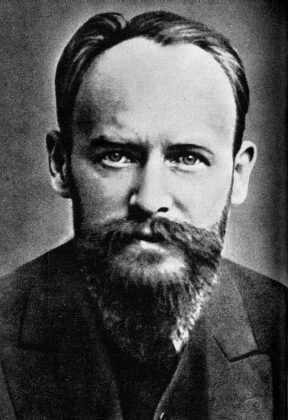 Christian MorgensternGerman author (1871-1914)
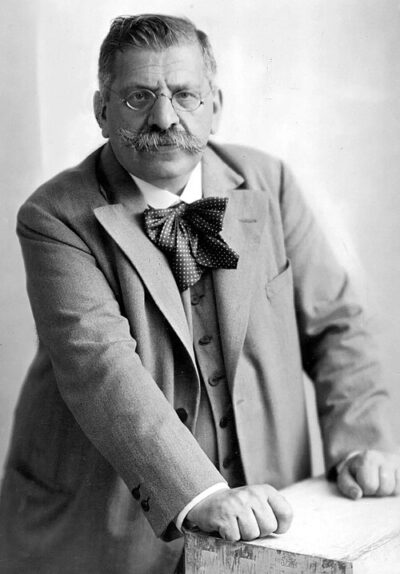 Magnus HirschfeldGerman physician and sexologist (1868–1935)
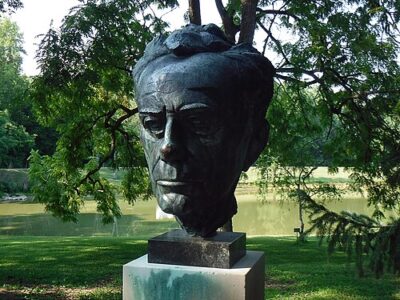 Paul Tillich (–1911)German-American theologian and philosopher
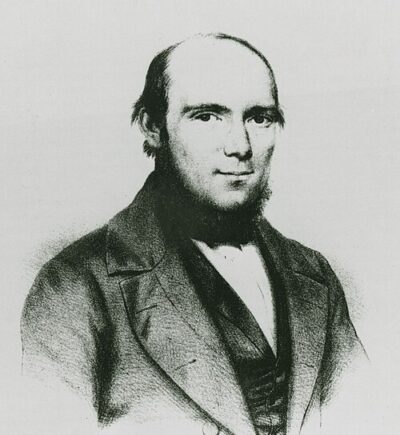 Adolf AnderssenGerman chess champion, after Paul Morphy (1858-1860), second unofficial world chess champion (1851-1858, 1860-1865, 1867-1871), chess publicist
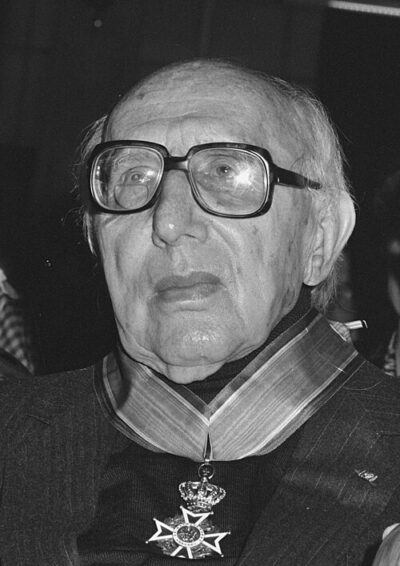 Norbert EliasGerman sociologist (1897–1990)
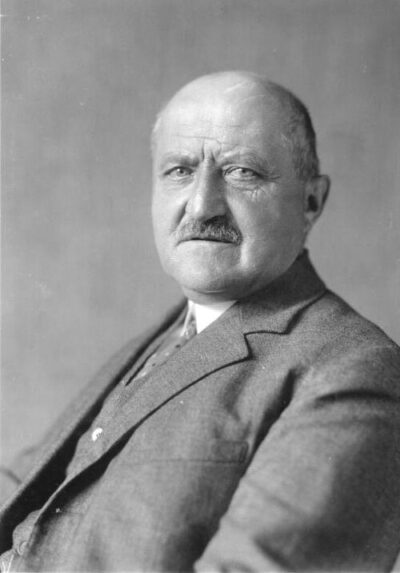 Georg MichaelisGerman civil servant and chancellor (1857-1936)
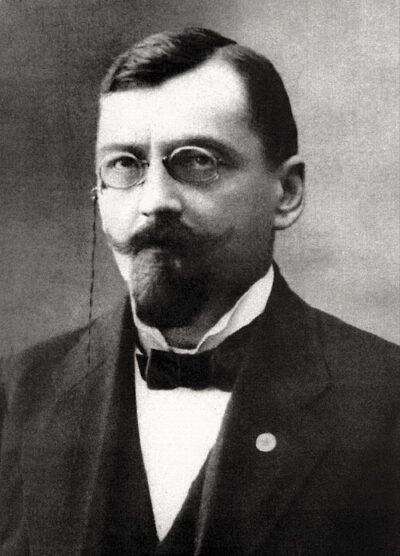 Antoni Grabowski (–1882)Polish chemical engineer (1857–1921)
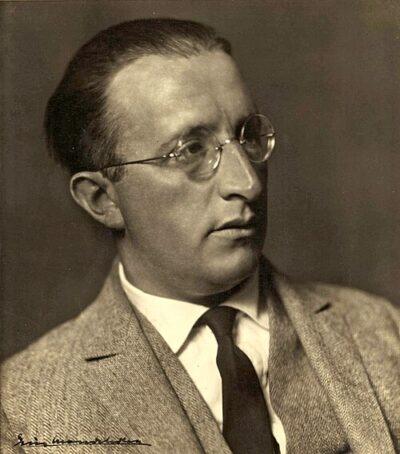 Erich MendelsohnJewish-German architect (1887–1953)
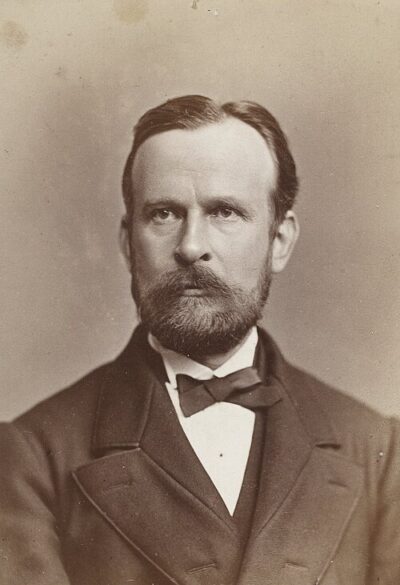 Ferdinand von RichthofenGerman traveller, geographer and scientist (1833-1905)
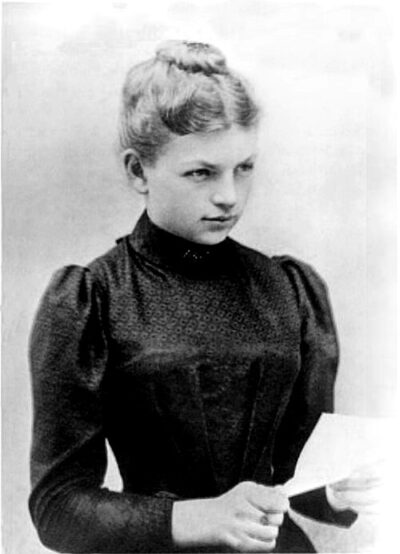 Clara ImmerwahrGerman chemist (1870-1915)
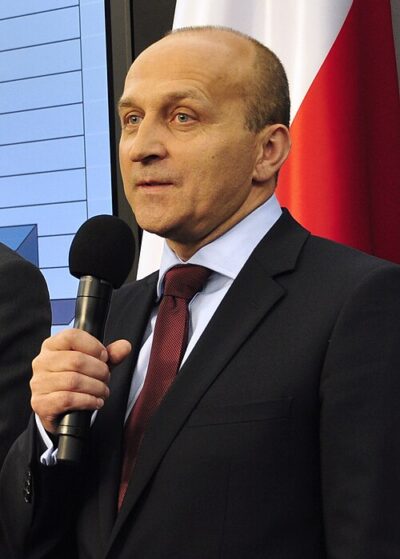 Kazimierz Marcinkiewicz (–1984)12th Prime Minister of the Republic of Poland
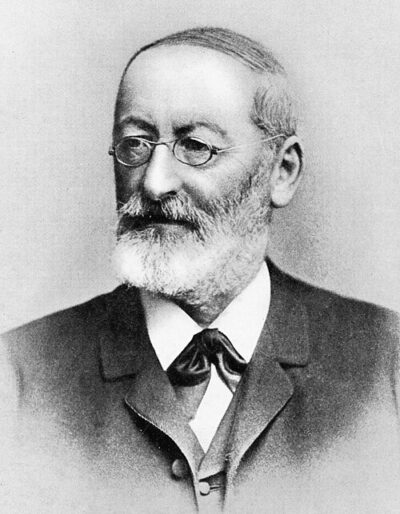 Ferdinand Cohn (1844–1846)German biologist (1828-1898)
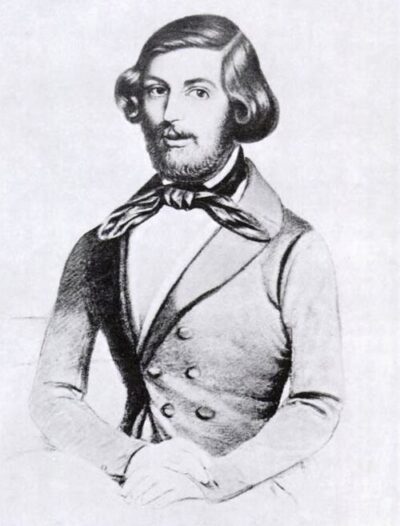 Gotthold Eisenstein (–1845)German mathematician (1823–1852)
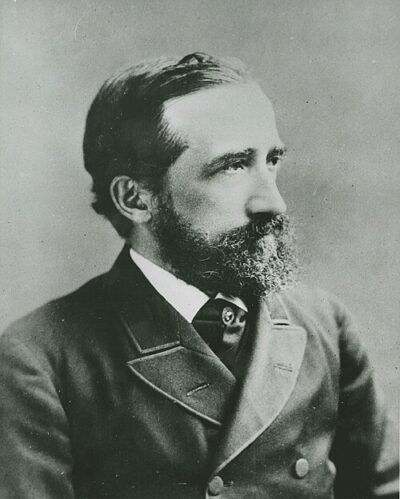 Johannes ZukertortGerman chess master (1842-1888)
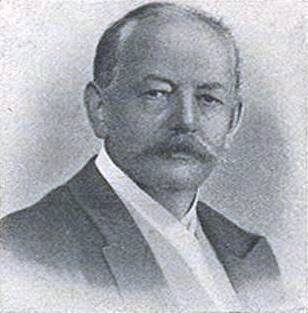 Adolf EnglerGerman botanist (1844–1930)
and 45 more
Worked here 55
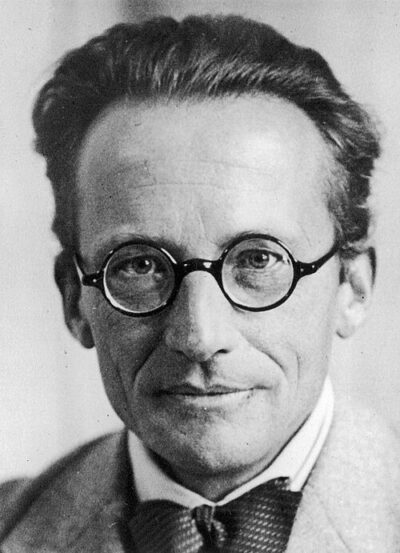 Erwin SchrödingerAustrian physicist (1887–1961)
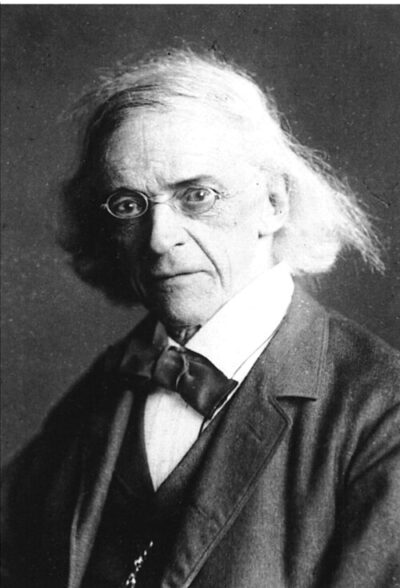 Theodor Mommsen (1854–1858)German classical scholar and historian (1817–1903)
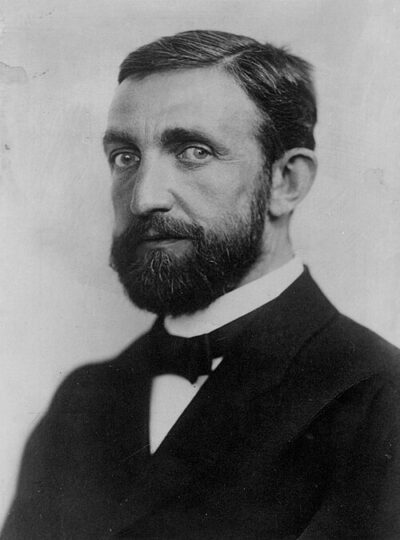 Philipp LenardGerman physicist (1862–1947)
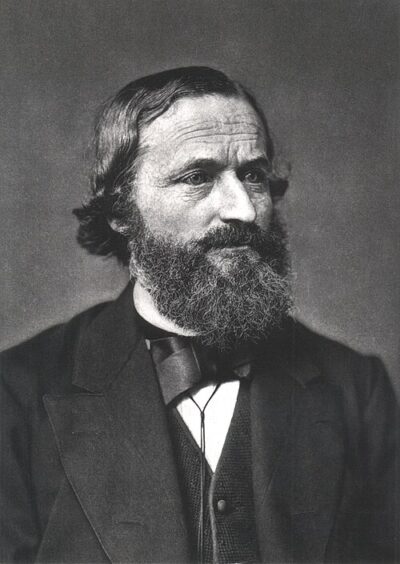 Gustav Kirchhoff (1850–1854)German physicist (1824–1887)
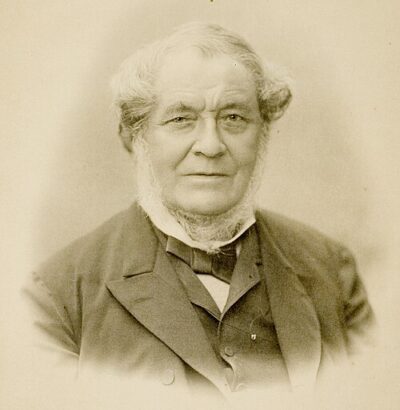 Robert Bunsen (1851–1852)German chemist (1811-1899)
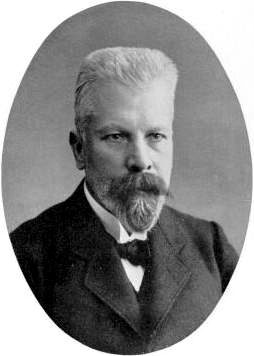 Eduard BuchnerGerman chemist (1907 Nobel Prize)
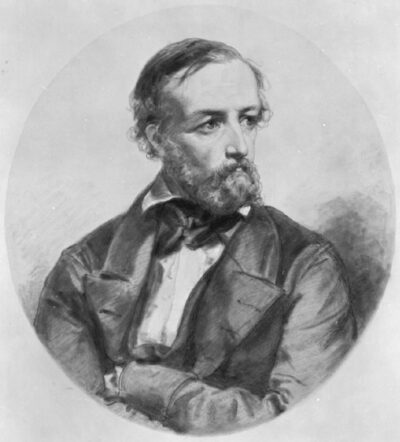 Johann Peter Gustav Lejeune Dirichlet (1827–1831)German mathematician (1805–1859)
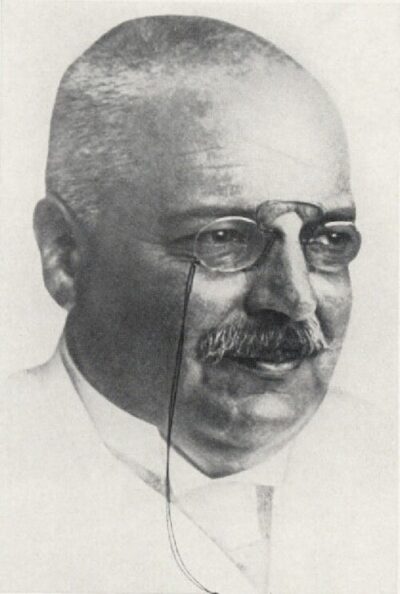 Alois AlzheimerGerman psychiatrist and neuropathologist (1864–1915)
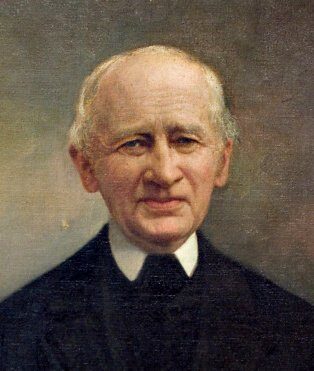 Johann Gottfried GalleGerman astronomer (1812-1910)
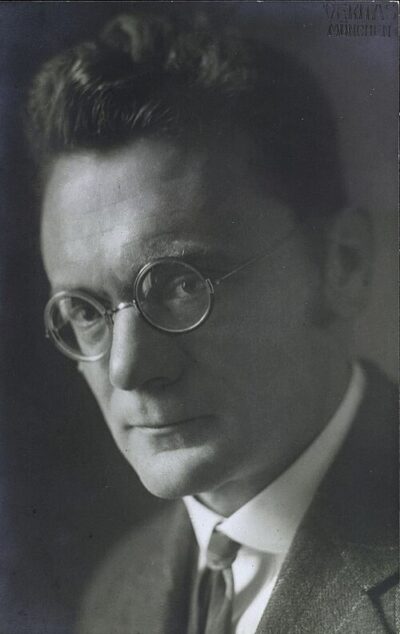 Karl von Frisch (–1925)German-Austrian ethologist (1886-1982)
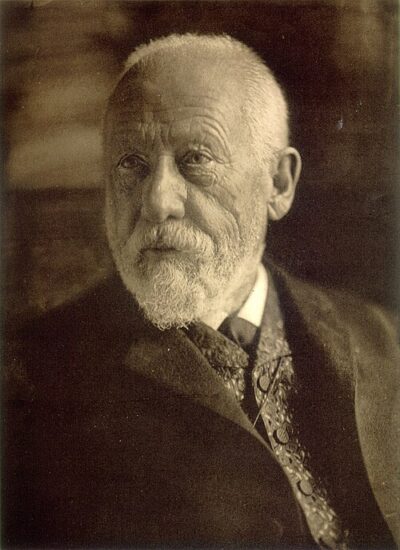 Wilhelm DiltheyGerman historian, psychologist, sociologist, student of hermeneutics, and philosopher (1833–1911)
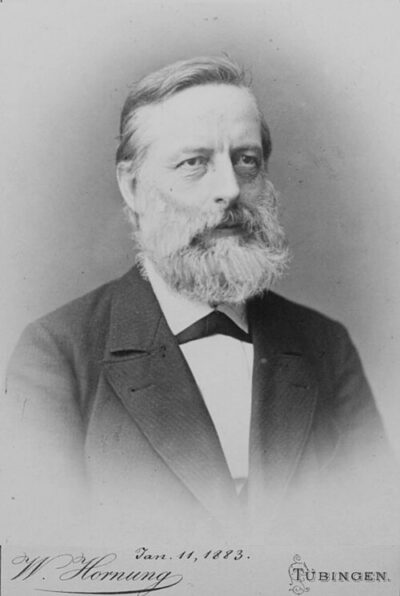 Lothar Meyer (1859–1866)German chemist and physician (1830-1895)
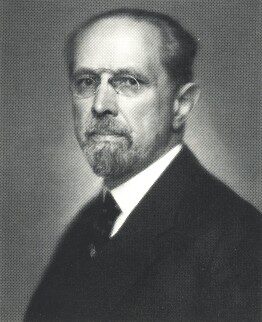 Werner SombartGerman economist, sociologist, historian (1863-1941)
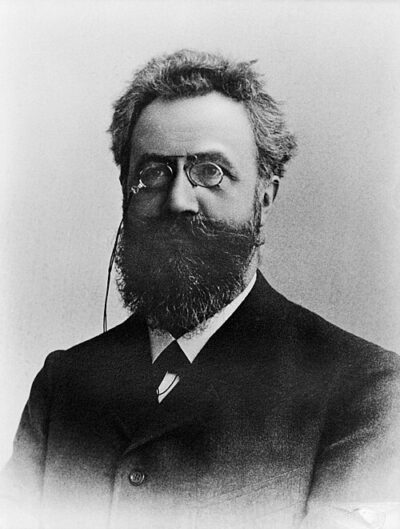 Hermann Ebbinghaus (1894–1905)German psychologist (1850-1909)
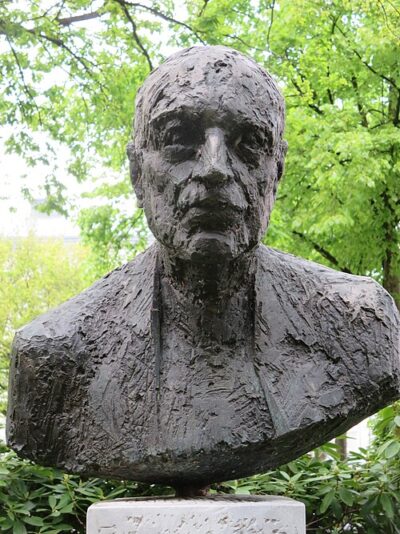 Rudolf BultmannGerman theologian (1884–1976)
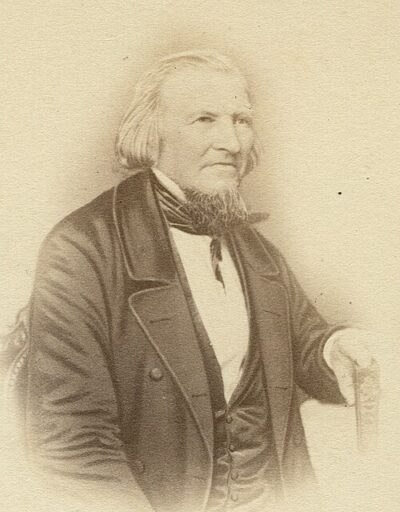 August Heinrich Hoffmann von FallerslebenGerman scholar and poet (1798–1874)
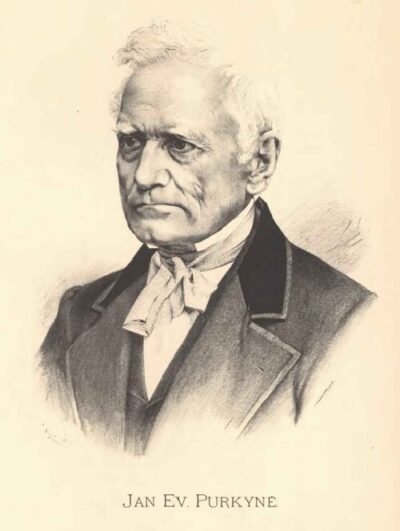 Jan Evangelista PurkyněCzech biologist, physiologist, doctor, inventor and politician (1787–1869)
 Ernst Kummer (1842–1855)German mathematician (1810–1893)
- Ferdinand Cohn (1851–)German biologist (1828-1898)
 Rudolf OttoGerman theologian, philosopher, and comparative religionist (1869–1937)
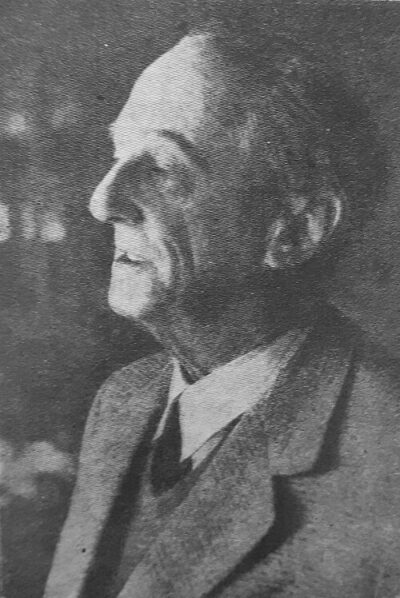 Hugo Steinhaus (1945–1963)Polish mathematician (1887–1972)
- Adolf Engler (1884–1889)German botanist (1844–1930)
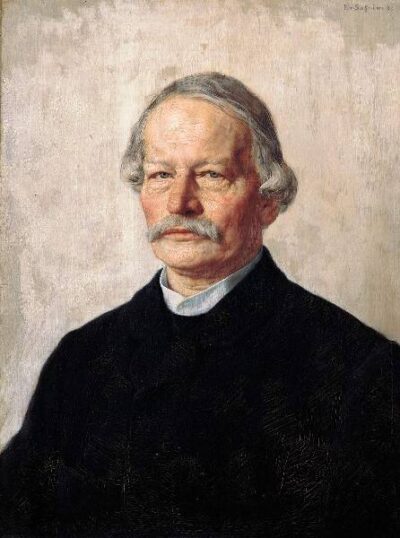 Gustav FreytagGerman writer and politician (1816-1895)
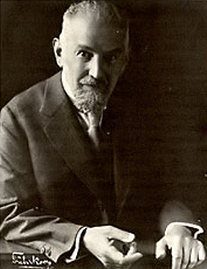 William SternGerman psychologist (1871-1938)
and 31 more
