

prose
Prose is a form of language which applies ordinary grammatical structure and natural flow of speech.
All 1 facts, and where they come from
Facts
1 facts · 0 confirmed by two sources · 1 cited · 0 from one source
Where this comes from
Papalocal keeps its own record. It started from these sources; what each one said is kept here as it was copied, so a change on their side never changes this page by itself. Tap one to read its version.
What Wikidata says · copied November 18, 2026 · revision 2535812135
- Described as
- form of language which applies ordinary grammatical structure and natural flow of speech
- What it is
- literary form · 1 reference
- Wikipedias with a page
- 135
Wikidata item Q676 (wikidata.org/wiki/Q676), public domain (CC0). Copied 2026-11-18.
What Wikipedia says · copied November 18, 2026 · revision 1385111752
Prose is language that is natural or normal in structure: following the spontaneous flow of conversational speech, without any perfectly regular rhythm; containing ordinary grammar patterns; or, in writing, aligning to typical conventions and formatting. It thus can range in its exact medium from informal everyday speaking to formal academic writing. Prose differs most notably from poetry, which follows some type of contrived intentional rhythm or other artistically crafted structure or pattern. Poetic structures vary dramatically by language; in English poetry, for instance, language is often organized by a rhythmic metre or rhyme scheme.
The day-to-day informal language of a region or community, and many other forms and styles of language usage, fall under prose, a label that can describe both speech and writing. In writing, poetry is traditionally written in a special format called verse: a series of lines stacked on top of one another on a page. This parallels how a person might read the poem aloud; for example, poetry may end with a rhyme at the end of each line, making the entire work more melodious or memorable. Prose uses writing conventions and formatting that may highlight meaning—for instance, the use of a new paragraph for a new speaker in a novel—but does not follow any special rhythmic or other artistic structure.
The word "prose" first appeared in English in the 14th century. It is derived from the Old French prose, which in turn originates in the Latin expression prosa oratio (literally, straightforward or direct speech). In highly-literate cultures where spoken rhetoric is considered relatively unimportant, definitions of prose may be narrower, including only written language (but not including written speech or dialogue). In written languages, spoken and written prose usually differ sharply. Sometimes, these differences are transparent to those using the languages; linguists studying extremely literal transcripts for conversation analysis see them, but ordinary language-users are unaware of them.
Academic writing (works of philosophy, history, economics, etc.), journalism, and fiction are usually written in prose (excepting verse novels etc.). Developments in 20th century literature, including free verse, concrete poetry, and prose poetry, have led to the idea of poetry and prose as two ends on a spectrum rather than firmly distinct from each other. The British poet T. S. Eliot noted, whereas "the distinction between verse and prose is clear, the distinction between poetry and prose is obscure."
From the Wikipedia article “Prose” (en.wikipedia.org/wiki/Prose), by its contributors, under CC BY-SA 4.0 (creativecommons.org/licenses/by-sa/4.0/). Copied 2026-11-18; not changed.
Confirmed Two sources agree. Cited One source, and it names where it got it. One source One source, without a reference of its own. Sources disagree The sources disagree. We show the best-supported value and keep theirs below.
Picture: Wikimedia Commons: Prose and Verse on one page.jpg · See Commons file page
People connected 356
Field 256
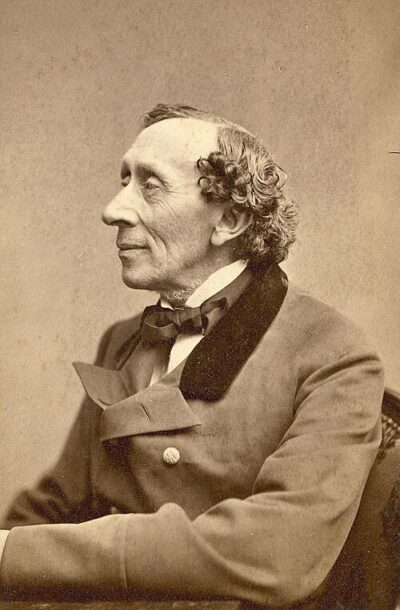 Hans Christian AndersenDanish writer and poet (1805–1875)
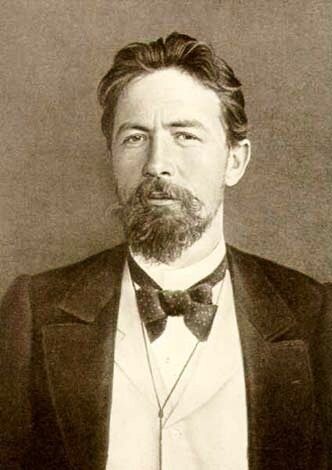 Anton ChekhovRussian dramatist and author (1860–1904)
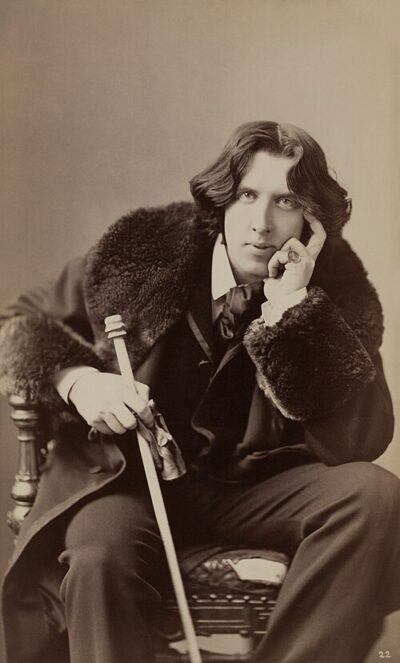 Oscar WildeIrish poet, playwright, and aesthete (1854-1900)
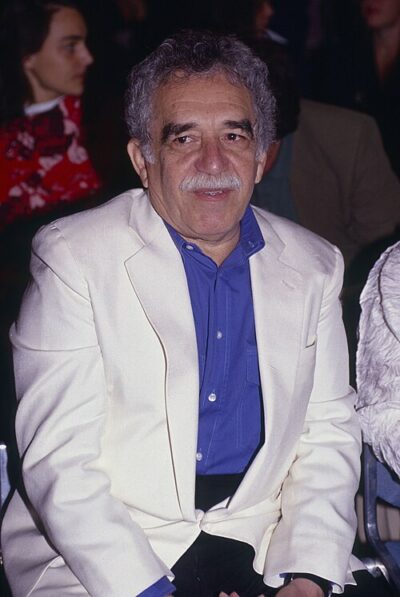 Gabriel García MárquezColombian writer and Nobel laureate (1927–2014)
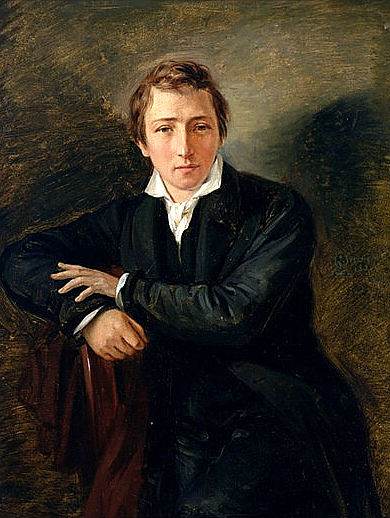 Heinrich HeineGerman poet, writer and literary critic (1797–1856)
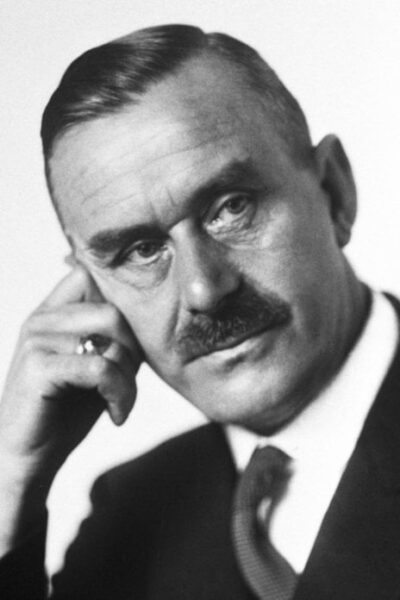 Thomas MannGerman novelist and Nobel Prize laureate (1875–1955)
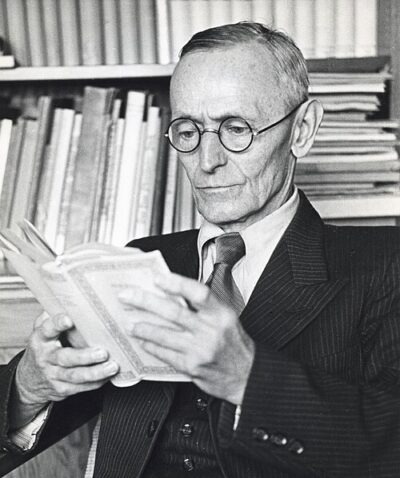 Hermann HesseNobel Prize winning German-Swiss poet, novelist and painter (1877–1962)
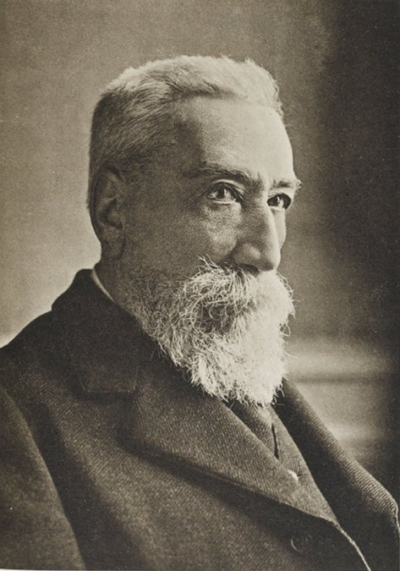 Anatole FranceFrench writer (1844–1924)
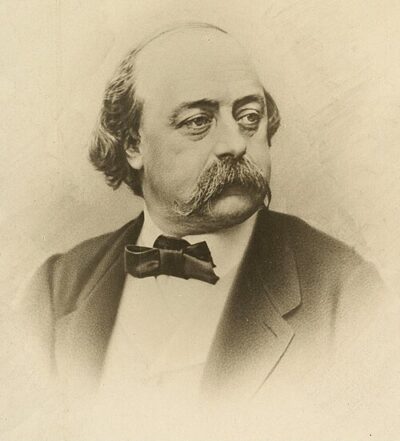 Gustave FlaubertFrench novelist (1821–1880)
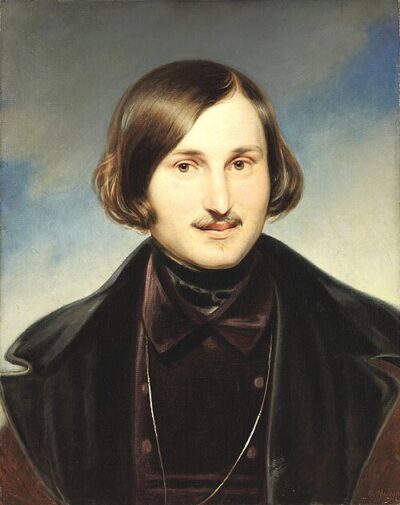 Nikolai GogolRussian writer of Ukrainian origin (1809–1852)
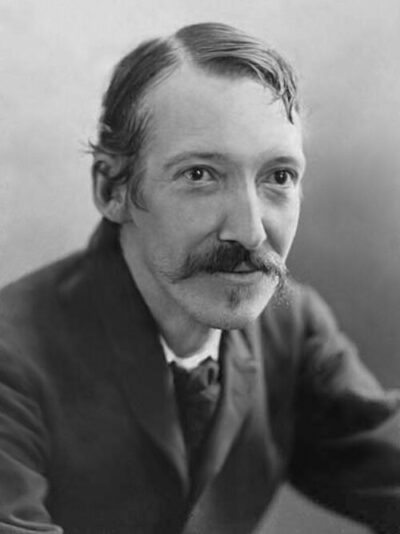 Robert Louis StevensonScottish novelist and poet (1850–1894)
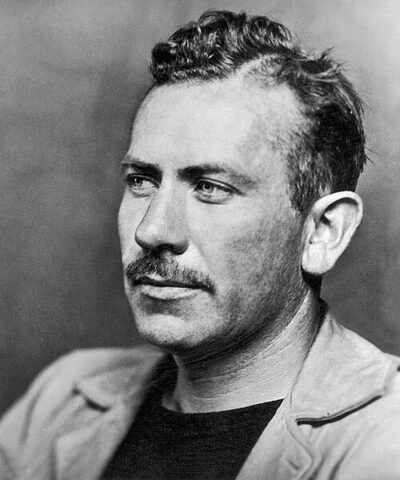 John SteinbeckAmerican writer (1902–1968)
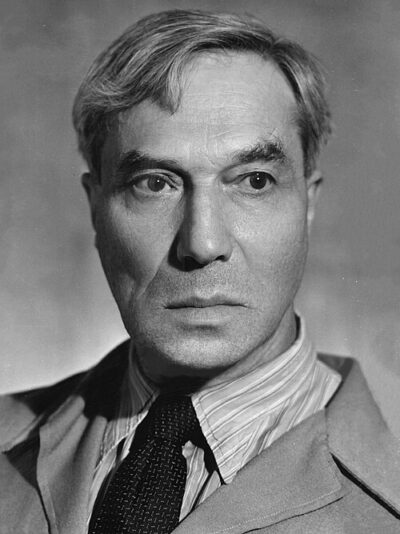 Boris PasternakRussian writer (1890–1960)
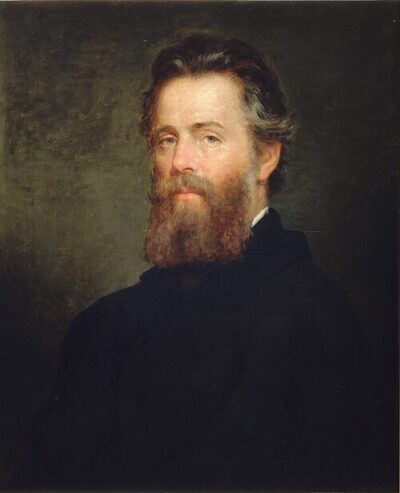 Herman MelvilleAmerican writer and poet (1819–1891)
 Alice MunroCanadian writer (1931–2024)
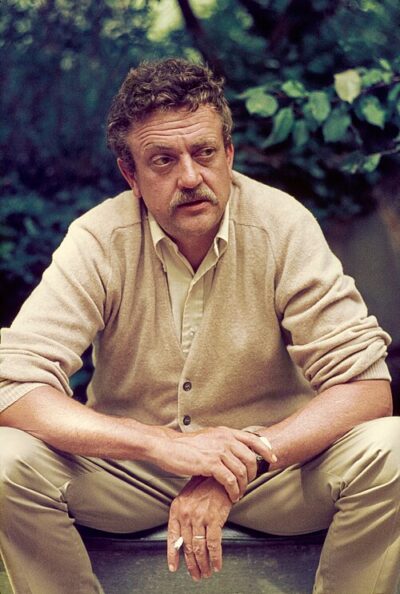 Kurt VonnegutAmerican author (1922–2007)
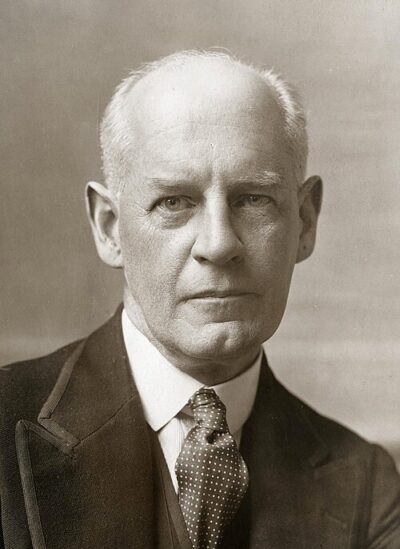 John GalsworthyEnglish novelist and playwright (1867–1933)
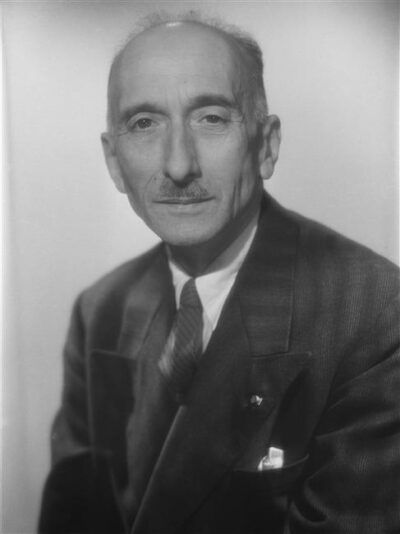 François MauriacFrench writer (1885-1970)
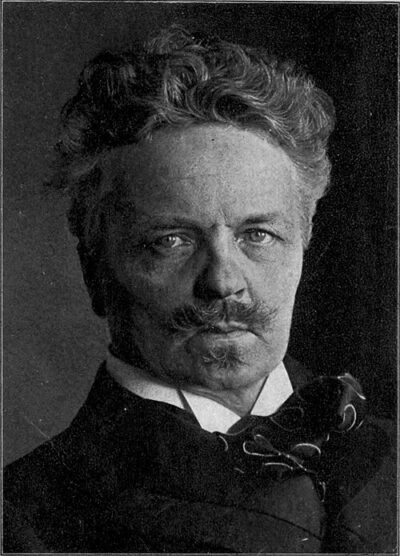 August StrindbergSwedish writer and painter (1849–1912)
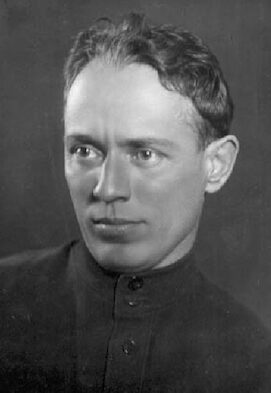 Mikhail SholokhovSoviet writer (1905-1984)
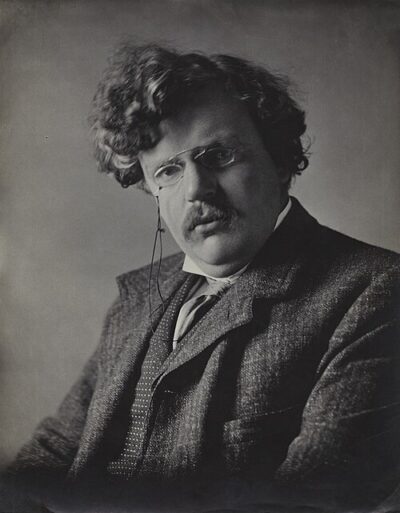 G. K. ChestertonEnglish author and Christian apologist (1874–1936)
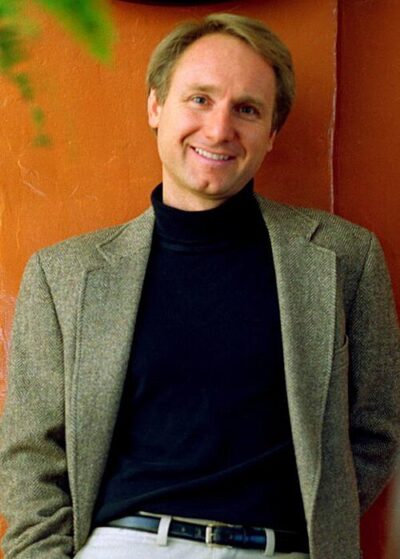 Dan BrownAmerican novelist (born 1964)
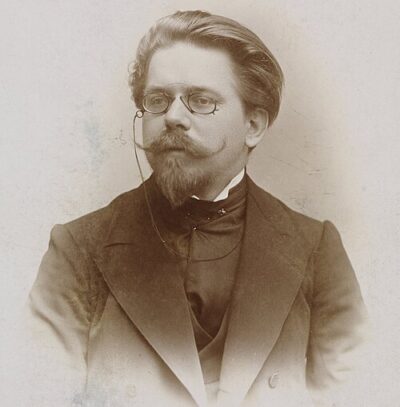 Władysław ReymontPolish novelist (1867-1925)
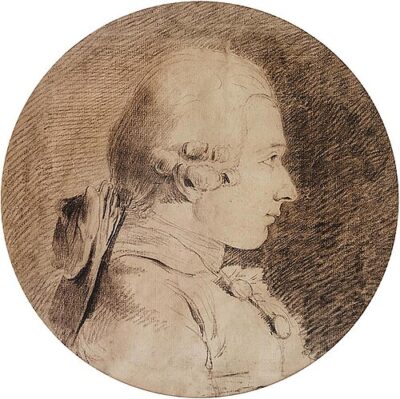 Marquis de SadeFrench nobleman, revolutionary politician, philosopher and writer of erotic works
and 232 more
Genre 108
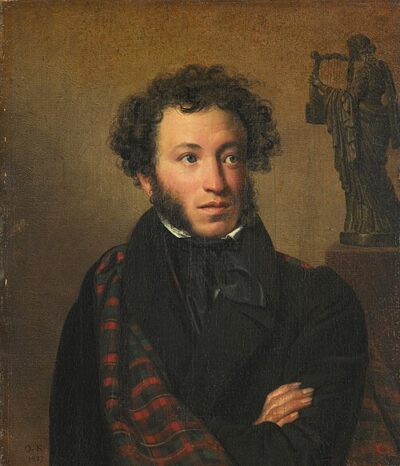 Alexander PushkinRussian poet, playwright, and novelist (1799–1837)
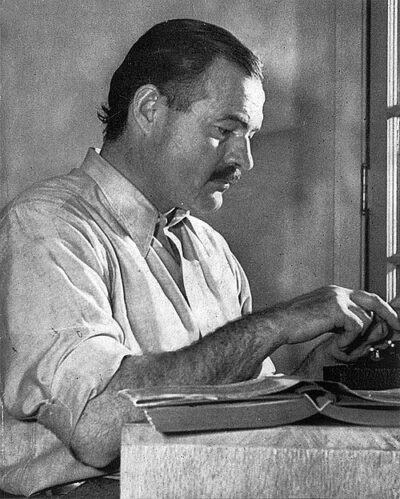 Ernest HemingwayAmerican author and journalist (1899–1961)
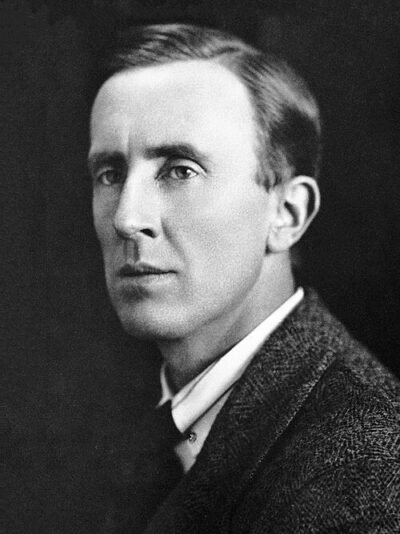 J. R. R. TolkienEnglish writer and philologist (1892–1973)
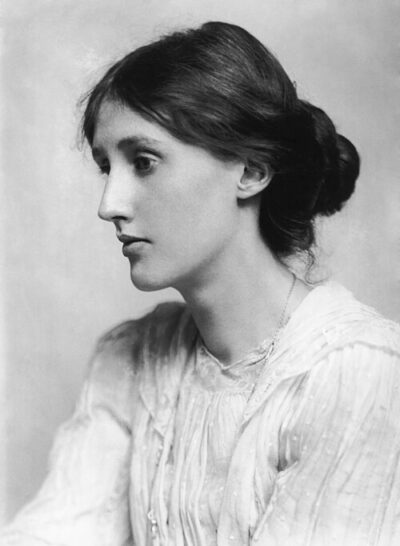 Virginia WoolfEnglish modernist writer (1882–1941)
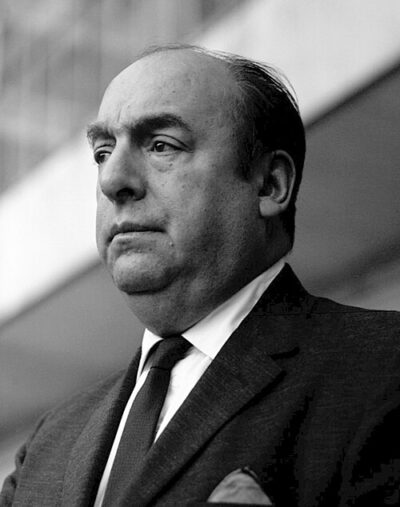 Pablo NerudaChilean poet and politician (1904-1973)
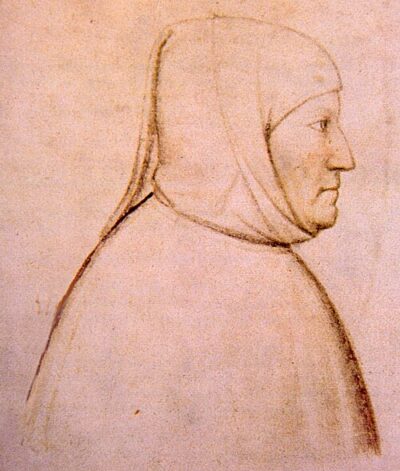 PetrarchItalian scholar and poet (1304-1374)
- Nikolai GogolRussian writer of Ukrainian origin (1809–1852)
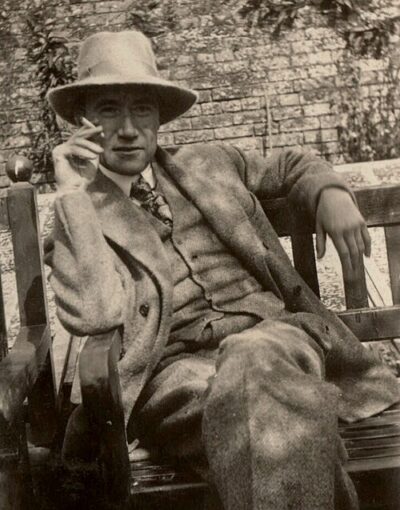 André GideFrench author and Nobel laureate (1869–1951)
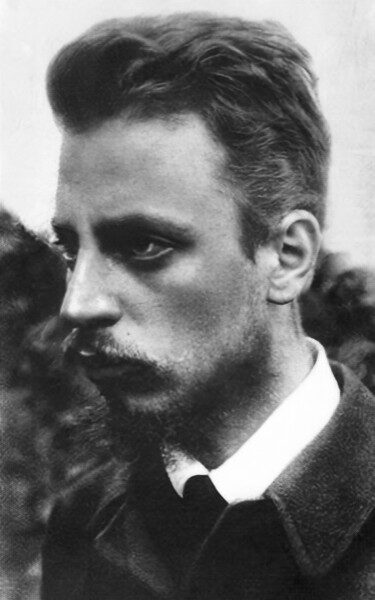 Rainer Maria RilkeAustrian poet and writer (1875–1926)
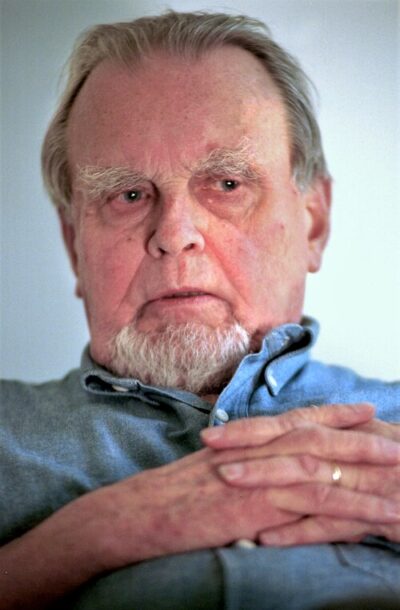 Czesław MiłoszPolish-American poet and Nobel laureate (1911–2004)
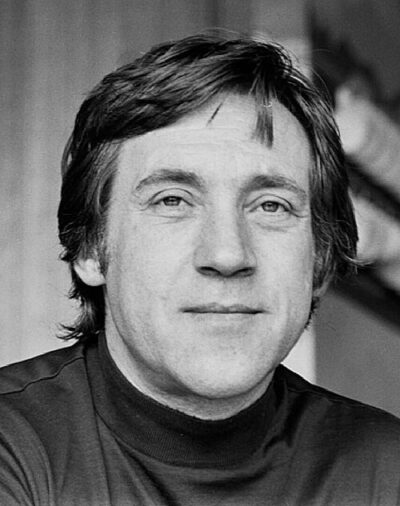 Vladimir VysotskySoviet singer-songwriter and actor (1938–1980)
- Marquis de SadeFrench nobleman, revolutionary politician, philosopher and writer of erotic works
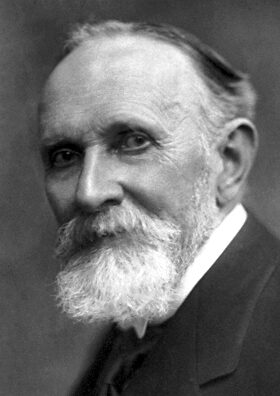 Carl SpittelerSwiss writer (1845–1924)
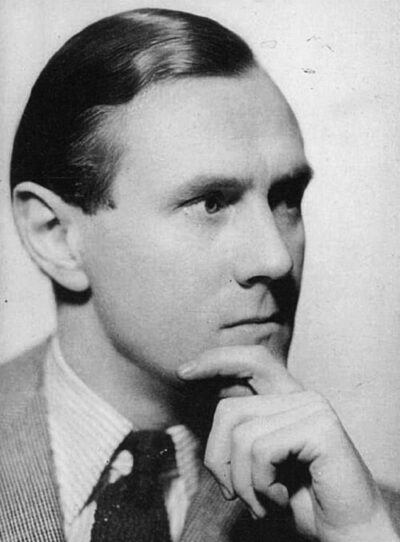 Patrick WhiteEnglish-born Australian writer
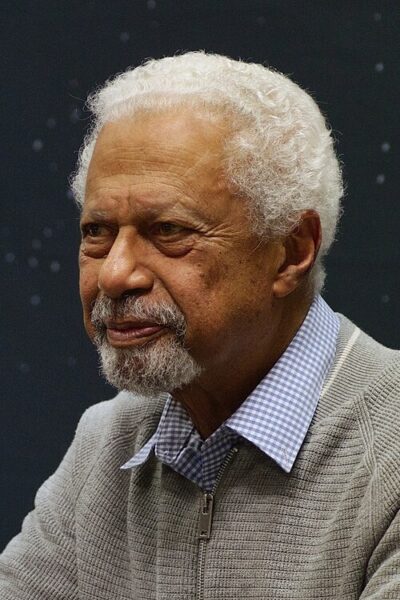 Abdulrazak GurnahTanzanian-born British writer, winner of the Nobel Prize in Literature (2021) (born 1948)
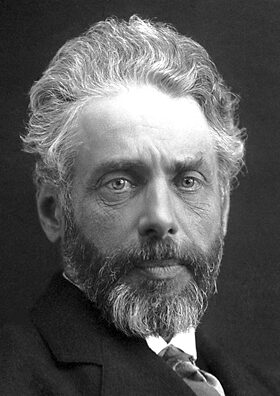 Henrik PontoppidanDanish writer, Nobel Laureate
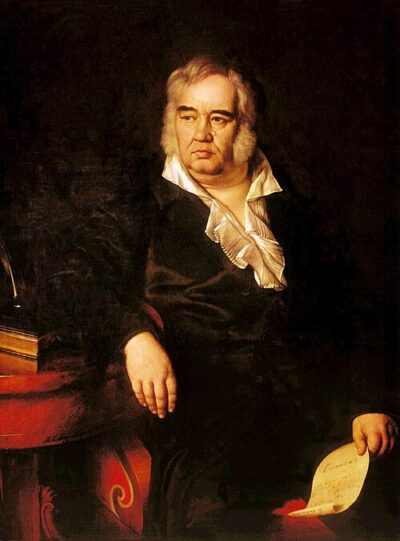 Ivan KrylovRussian writer (1769–1844)
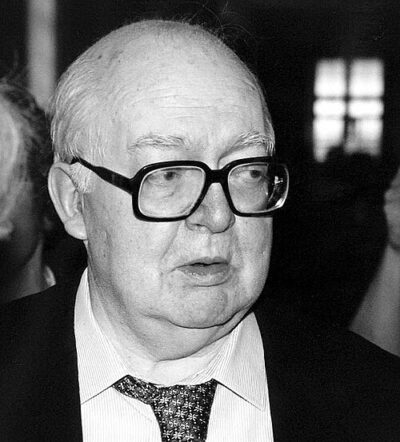 Friedrich DürrenmattSwiss author and dramatist (1921–1990)
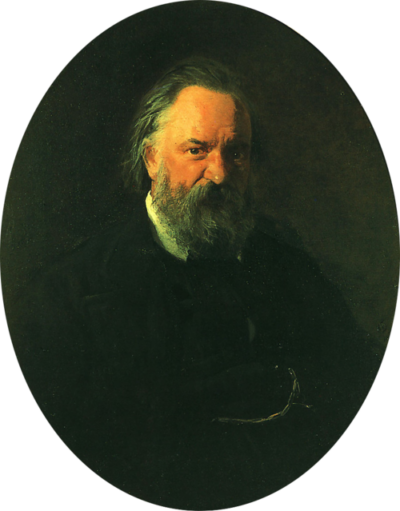 Alexander HerzenRussian author, philosopher, and revolutionary (1812–1870)
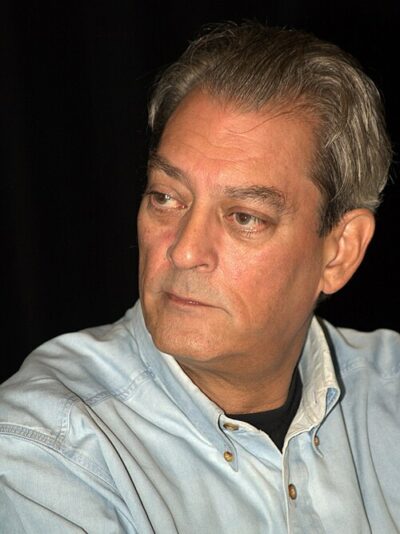 Paul AusterAmerican novelist, poet, essayist, screenwriter (1947-2024)
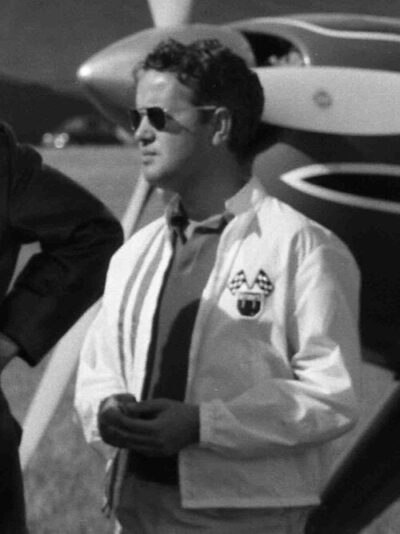 Richard BachAmerican spiritual writer (born 1936)
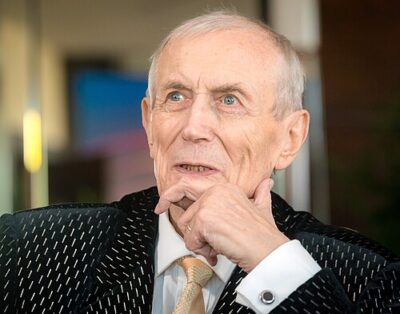 Yevgeny YevtushenkoSoviet and Russian poet (1933–2017)
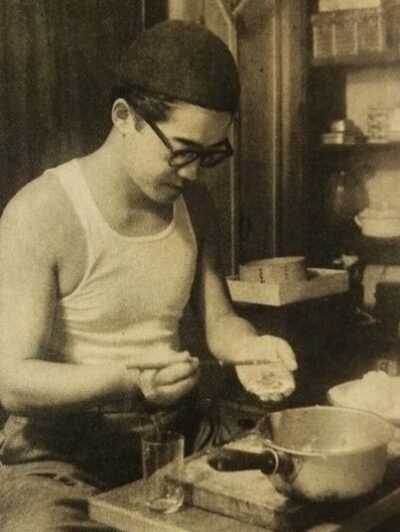 Kōbō AbeJapanese writer, playwright, photographer and inventor
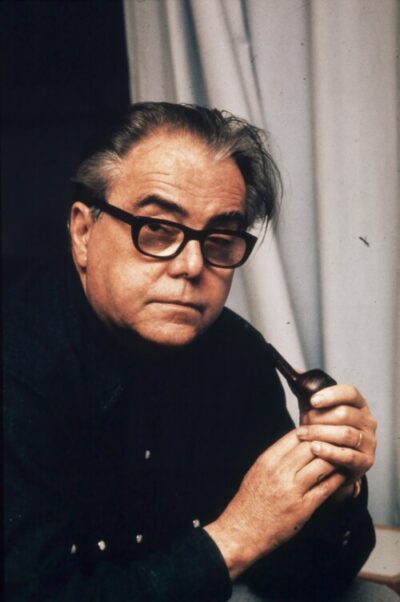 Max FrischSwiss playwrighter and novelist (1911–1991)
and 84 more

