
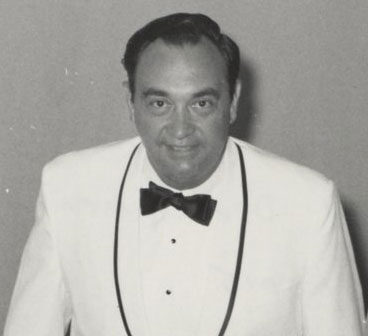
Louie B. Nunn
Louie B. Nunn was a Kentucky governor. Born March 8, 1924, in Barren County. Died January 29, 2004, in Versailles. Positions held include Governor of Kentucky (1967–1971). Educated at University of Louisville School of Law and University of Cincinnati.
Facts
16 facts · 2 confirmed by two sources · 0 cited · 14 from one source
Where this comes from
Papalocal keeps its own record. It started from these sources; what each one said is kept here as it was copied, so a change on their side never changes this page by itself. Tap one to read its version.
What Wikidata says · copied November 19, 2026 · revision 2524133611
- Described as
- Kentucky governor (1924-2004)
- Other names
- Louie Broady Nunn
- Born
- March 8, 1924 · 1 reference
- Died
- January 29, 2004 · 1 reference
- Born in
- Barren County
- Died in
- Versailles
- Cause of death
- myocardial infarction
- Citizen of
- United States
- Occupation
- lawyer; judge; politician
- Positions held
- Governor of Kentucky (1967–1971)
- Political party
- Republican Party
- Education
- University of Louisville School of Law; University of Cincinnati; University of Louisville · 1 reference
- Children
- Steve Nunn
- Military branch
- United States Army
- Wikipedias with a page
- 12
Wikidata item Q651771 (wikidata.org/wiki/Q651771), public domain (CC0). Copied November 19, 2026.
What Wikipedia says · copied November 19, 2026 · revision 1378119731
Louie Broady Nunn (March 8, 1924 – January 29, 2004) was an American politician who served as the 52nd governor of Kentucky. Elected in 1967, he was the only Republican to hold the office between the end of Simeon Willis's term in 1947 and the election of Ernie Fletcher in 2003.
After rendering non-combat service in World War II and graduating from law school, Nunn entered local politics, becoming the first Republican county judge in the history of Barren County, Kentucky. He worked on the campaigns of Republican candidates for national office, including John Sherman Cooper, Thruston Morton, and Dwight D. Eisenhower. He was the Republican nominee for governor in 1963, but ultimately lost a close election to Democrat Ned Breathitt. An executive order signed by Governor Bert T. Combs that desegregated Kentucky's public services became a major issue in the campaign. Nunn vowed to repeal the order if elected, while Breathitt promised to continue it.
In 1967, Nunn ran for governor again. After defeating Marlow Cook in the Republican gubernatorial primary, he eked out a victory over Democrat Henry Ward. The state offices were split between Democrats and Republicans, and Nunn was saddled with a Democratic lieutenant governor, Wendell Ford. Despite a Democratic majority in the General Assembly, Nunn was able to enact most of his priorities, including tax increases that funded improvements to the state park system and the construction of a statewide network of mental health centers. He oversaw the transition of Northern Kentucky University from a community college to a senior institution and brought the University of Louisville into the state university system. The later years of his administration were marred by race riots in Louisville and a violent protest against the Vietnam War at the University of Kentucky. Following his term as governor, he lost to Walter Dee Huddleston in the 1972 senatorial election and John Y. Brown Jr. in the 1979 gubernatorial election. In his later years, he sometimes supported the political ambitions of his son, Steve, and advocated for the legalization of industrial hemp in Kentucky. He died of a heart attack on January 29, 2004.
- Born, in its opening lines
- March 8, 1924
- Died, in its opening lines
- January 29, 2004
From the Wikipedia article “Louie Nunn” (en.wikipedia.org/wiki/Louie_Nunn), by its contributors, under CC BY-SA 4.0 (creativecommons.org/licenses/by-sa/4.0/). Copied November 19, 2026; not changed.
Confirmed Two sources agree. Cited One source, and it names where it got it. One source One source, without a reference of its own. Sources disagree The sources disagree. We show the best-supported value and keep theirs below.
