
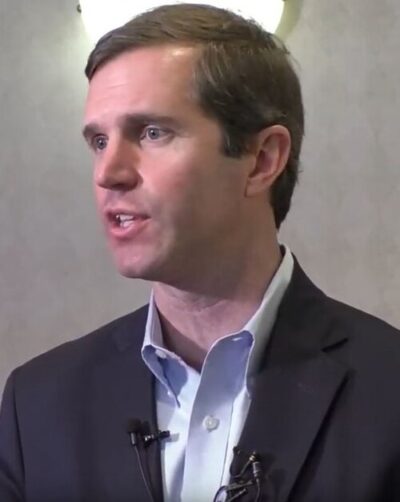
Governor of Kentucky
Governor of Kentucky is a head of state and of government of the U.S. commonwealth of Kentucky. It was created in 1792.
- Office of
- Kentucky
- Country
- United States
- Created
- June 4, 1792
All 5 facts, and where they come from
Facts
5 facts · 0 confirmed by two sources · 0 cited · 5 from one source
Where this comes from
Papalocal keeps its own record. It started from these sources; what each one said is kept here as it was copied, so a change on their side never changes this page by itself. Tap one to read its version.
What Wikidata says · copied November 17, 2026 · revision 2569532104
- Described as
- head of state and of government of the U.S. commonwealth of Kentucky
- Other names
- Governor of the Commonwealth of Kentucky, Kentucky Governor
- What it is
- governor
- Created
- June 4, 1792
- Country
- United States
- Office of
- Kentucky
- Official website
- http://governor.ky.gov/
- Wikipedias with a page
- 11
Wikidata item Q4151335 (wikidata.org/wiki/Q4151335), public domain (CC0). Copied 2026-11-17.
What Wikipedia says · copied November 17, 2026 · revision 1378943840
The governor of the Commonwealth of Kentucky is the head of government of the Commonwealth of Kentucky. Sixty-two men and one woman have served as governor of Kentucky. The governor's term is four years in length; since 1992, incumbents have been able to seek re-election once before becoming ineligible for four years. Throughout the state's history, four men have served two non-consecutive terms as governor, and four others have served two consecutive terms, the most recent being current governor Andy Beshear, who was re-elected to a second term on November 7, 2023. Kentucky is one of only five U.S. states that hold gubernatorial elections in odd-numbered years.
The governor's powers are enumerated in the state constitution. There have been four constitutions of Kentucky—adopted in 1792, 1799, 1850, and 1891, respectively—and each has enlarged the governor's authority. Among the powers assigned to the governor in the constitution are the ability to grant pardons, veto legislation, and call the legislature into session. The governor serves as commander-in-chief of the state's military forces and is empowered to enforce all laws of the state. The officeholder is given broad statutory authority to make appointments to the various cabinets and departments of the executive branch, limited somewhat by the adoption of a merit system for state employees in 1960. Because Kentucky's governor controls so many appointments to commissions, the office has been historically considered one of the most powerful state executive positions in the United States. Additionally, the governor's influence has been augmented by wide discretion in awarding state contracts and significant influence over the legislature, although the latter has been waning since the mid-1970s.
The history of the office of governor is largely one of long periods of domination by a single party, though different parties were predominant in different eras. Federalists were rare among Kentuckians during the period of the First Party System, and Democratic Republicans won every gubernatorial election in the state until 1828. The Second Party System began when the Democratic-Republicans split into Jacksonian Democrats (the predecessor of the modern Democratic Party) and National Republicans (later to become Whigs). Beginning with the election of Thomas Metcalfe in 1828, the Whigs dominated the governorship until 1851, with John Breathitt being the only Democrat elected during that period. With a Cook Partisan Voting Index of R+15, Kentucky is the most Republican-leaning state in the nation with a Democratic governor.
With the collapse of the Whig Party in the 1850s, Democrats took control of the governorship for the duration of the Third Party System, with Charles S. Morehead of the Know Nothing Party being the only exception. The election of Republican William O'Connell Bradley in 1895 began the only period of true two-party competition for the governorship; from Bradley's election through 1931, five Republicans and six Democrats held the office of governor of Kentucky. Since 1931, only four Republicans have served as governor of Kentucky, and no Republican governor has ever been re-elected; the most recent past governor, Matt Bevin, lost re-election.
From the Wikipedia article “Governor of Kentucky” (en.wikipedia.org/wiki/Governor_of_Kentucky), by its contributors, under CC BY-SA 4.0 (creativecommons.org/licenses/by-sa/4.0/). Copied 2026-11-17; not changed.
Confirmed Two sources agree. Cited One source, and it names where it got it. One source One source, without a reference of its own. Sources disagree The sources disagree. We show the best-supported value and keep theirs below.
Picture: Mountain Top News, via Wikimedia Commons · CC BY 3.0
People connected 10
Held this office
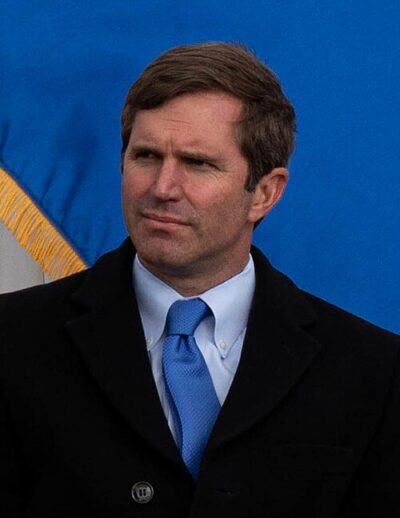 Andy Beshear (2019–)American attorney and politician (born 1977)
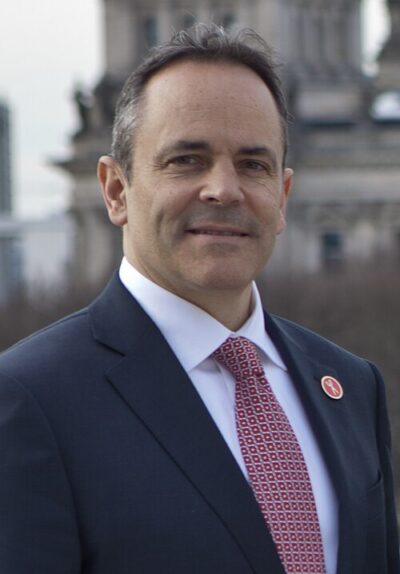 Matt Bevin (2015–2019)Governor of Kentucky from 2015 to 2019
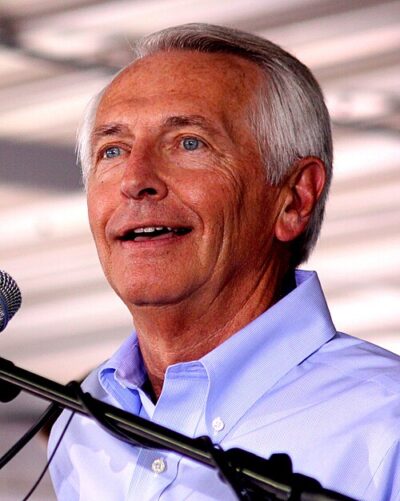 Steve Beshear (2007–2015)61st governor of Kentucky
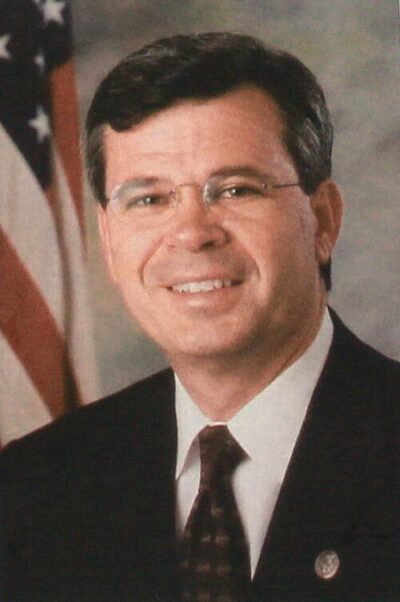 Ernie Fletcher (2003–2007)American politician
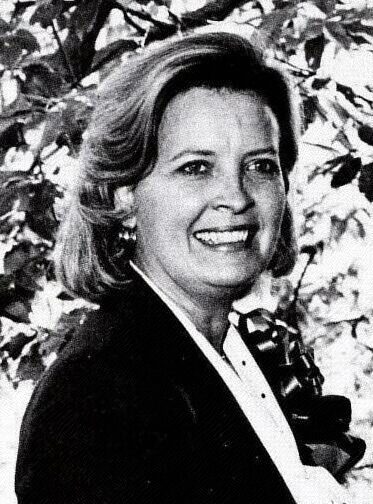 Martha Layne Collins (1983–1987)American businesswoman and politician (1936–2025)
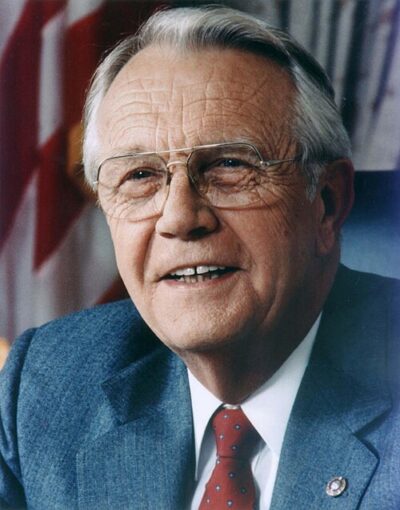 Wendell Ford (1971–1974)American politician (1924–2015)
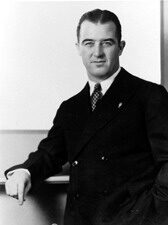 Happy Chandler (1955–1959)American politician, Governor of Kentucky, Baseball Commissioner (1898-1991)
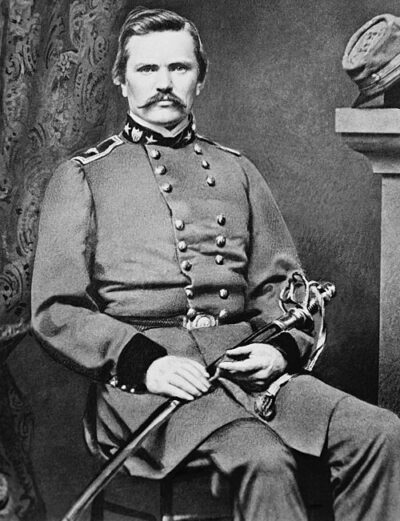 Simon Bolivar Buckner (1887–1891)Confederate Army general (1823-1914)
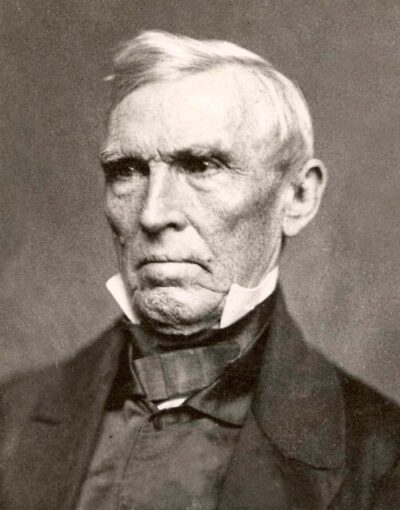 John J. Crittenden (1848–1850)U.S. Attorney General and politician from Kentucky (1787-1863)
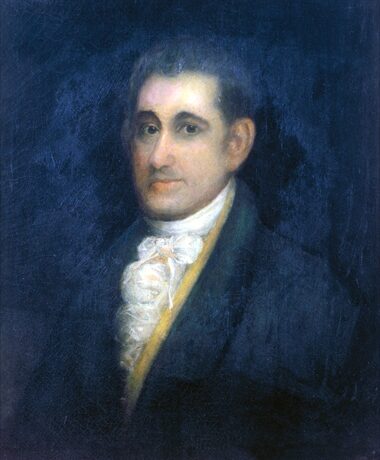 John Adair (1820–1824)American politician (1757–1840)
