
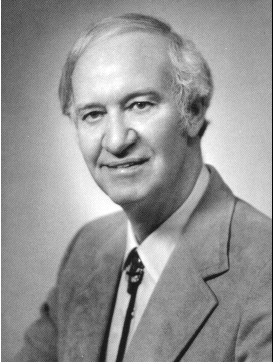
Malcolm Knowles
Malcolm Knowles was an Adult educator. Born August 24, 1913, in Park County. Died November 27, 1997, in Fayetteville. Educated at Harvard University and University of Chicago.
Facts
17 facts · 2 confirmed by two sources · 1 cited · 14 from one source
Where this comes from
Papalocal keeps its own record. It started from these sources; what each one said is kept here as it was copied, so a change on their side never changes this page by itself. Tap one to read its version.
What Wikidata says · copied November 18, 2026 · revision 2544592613
- Described as
- Adult educator (1913–1997)
- Other names
- Malcolm Shepherd Knowles
- Born
- August 24, 1913
- Died
- November 27, 1997 · 3 references
- Born in
- Park County
- Died in
- Fayetteville
- Cause of death
- stroke
- Citizen of
- United States
- Occupation
- military officer; university teacher; pedagogue · 1 reference
- Worked for
- Brown University; Boston University; North Carolina State University · 1 reference
- Education
- Harvard University; University of Chicago; Palm Beach Lakes Community High School · 1 reference
- Religion
- Unitarian Universalism
- Military branch
- United States Navy
- Wikipedias with a page
- 15
Wikidata item Q1887047 (wikidata.org/wiki/Q1887047), public domain (CC0). Copied November 18, 2026.
What Wikipedia says · copied November 18, 2026 · revision 1360886972
Malcolm Shepherd Knowles (August 24, 1913 – November 27, 1997) was an American adult educator, famous for the adoption of the theory of andragogy—initially a term coined by the German teacher Alexander Kapp. Knowles is credited with being a fundamental influence in the development of the Humanist Learning Theory and the use of learner constructed contracts or plans to guide learning experiences.
- Born, in its opening lines
- August 24, 1913
- Died, in its opening lines
- November 27, 1997
From the Wikipedia article “Malcolm Knowles” (en.wikipedia.org/wiki/Malcolm_Knowles), by its contributors, under CC BY-SA 4.0 (creativecommons.org/licenses/by-sa/4.0/). Copied November 18, 2026; not changed.
Confirmed Two sources agree. Cited One source, and it names where it got it. One source One source, without a reference of its own. Sources disagree The sources disagree. We show the best-supported value and keep theirs below.
