
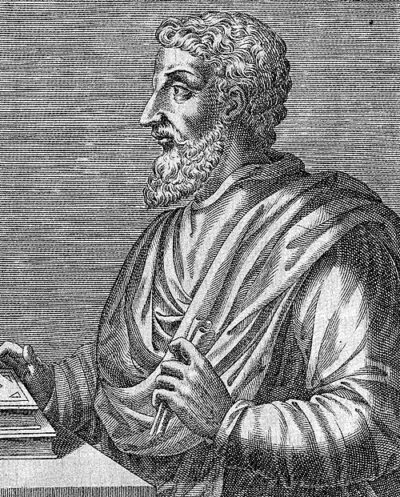
Marcus Terentius Varro
Marcus Terentius Varro was a Roman scholar, polymath and author. Born 116 BC, in Rieti. Died 27 BC, in Rome. Positions held include quaestor and praetors. Known for De lingua Latina, De re rustica and Antiquitates rerum humanarum et divinarum.
Facts
19 facts · 0 confirmed by two sources · 7 cited · 12 from one source
Where this comes from
Papalocal keeps its own record. It started from these sources; what each one said is kept here as it was copied, so a change on their side never changes this page by itself. Tap one to read its version.
What Wikidata says · copied November 16, 2026 · revision 2568004857
- Described as
- Roman scholar, polymath and author (116–27 BC)
- Other names
- Varro Reatinus, Marcus Terentius Varro Reatinus, Varro, Marcus Varro
- Born
- 116 BC · 2 references
- Died
- 27 BC · 2 references
- Born in
- Rieti
- Died in
- Rome
- Citizen of
- Ancient Rome
- Occupation
- writer · 3 references; poet · 1 reference; music theorist; philosopher; historian · 1 reference; grammarian · 1 reference; annalist · 1 reference; military personnel
- Positions held
- quaestor; praetors
- Known for
- De lingua Latina; De re rustica; Antiquitates rerum humanarum et divinarum
- Spouse
- Fundania
- Wikipedias with a page
- 75
Wikidata item Q206119 (wikidata.org/wiki/Q206119), public domain (CC0). Copied November 16, 2026.
What Wikipedia says · copied November 16, 2026 · revision 1385555799
Marcus Terentius Varro (116–27 BC) was a Roman polymath and a prolific author. He is regarded as ancient Rome's greatest scholar, and was described by Petrarch as "the third great light of Rome" (after Virgil and Cicero). He is sometimes called Varro Reatinus ("Varro of Rieti") to distinguish him from his younger contemporary Varro Atacinus ("Varro of Atax").
From the Wikipedia article “Marcus Terentius Varro” (en.wikipedia.org/wiki/Marcus_Terentius_Varro), by its contributors, under CC BY-SA 4.0 (creativecommons.org/licenses/by-sa/4.0/). Copied November 16, 2026; not changed.
Confirmed Two sources agree. Cited One source, and it names where it got it. One source One source, without a reference of its own. Sources disagree The sources disagree. We show the best-supported value and keep theirs below.
