
praetors
Praetors is an official of the Roman Republic. It was created in -366. It is an office of Ancient Rome.
- Office of
- Ancient Rome
- Country
- Ancient Rome
- Created
- 366 BC
All 5 facts, and where they come from
Facts
5 facts · 0 confirmed by two sources · 0 cited · 5 from one source
Where this comes from
Papalocal keeps its own record. It started from these sources; what each one said is kept here as it was copied, so a change on their side never changes this page by itself. Tap one to read its version.
What Wikidata says · copied November 16, 2026 · revision 2567784750
- Described as
- official of the Roman Republic
- Other names
- Praetors, prætors
- What it is
- elective office
- Created
- 366 BC
- Ended
- 5th century
- Country
- Ancient Rome
- Office of
- Ancient Rome
- Wikipedias with a page
- 57
Wikidata item Q172907 (wikidata.org/wiki/Q172907), public domain (CC0). Copied 2026-11-16.
What Wikipedia says · copied November 16, 2026 · revision 1372003435
Praetor ( PREE-tər; Classical Latin: [ˈprae̯tɔr]), also pretor, was the title granted by the government of ancient Rome to a man acting in one of two official capacities: (i) the commander of an army, and (ii) as an elected magistratus (magistrate), assigned to discharge various duties. The functions of the magistracy, the praetura (praetorship), are described by the adjective itself: the praetoria potestas (praetorian power), the praetorium imperium (praetorian authority), and the praetorium ius (praetorian law), the legal precedents established by the praetores (praetors). Praetorium, as a substantive, denoted the location from which the praetor exercised his authority, either the headquarters of his castra, the courthouse (tribunal) of his judiciary, or the city hall of his provincial governorship. The minimum age for holding the praetorship was 39 during the Roman Republic, but it was later changed to 30 in the early Empire.
From the Wikipedia article “Praetor” (en.wikipedia.org/wiki/Praetor), by its contributors, under CC BY-SA 4.0 (creativecommons.org/licenses/by-sa/4.0/). Copied 2026-11-16; not changed.
Confirmed Two sources agree. Cited One source, and it names where it got it. One source One source, without a reference of its own. Sources disagree The sources disagree. We show the best-supported value and keep theirs below.
People connected 20
Held this office
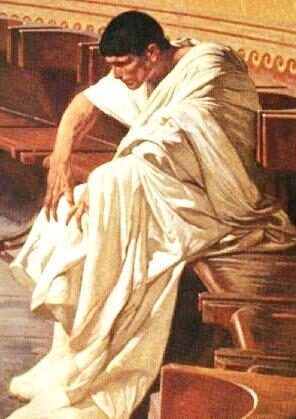 Catiline (-68)Roman politician, senator and soldier (c.108–62 BC)
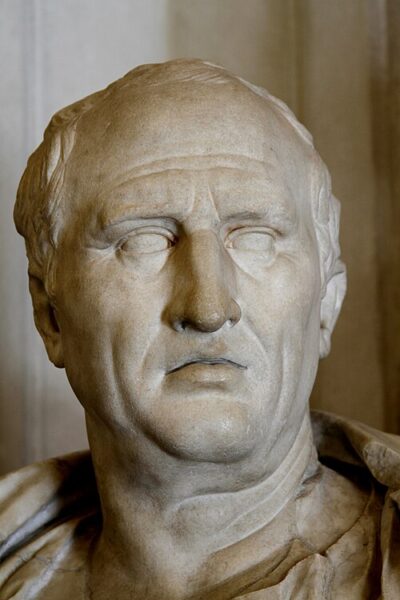 Cicero (-66)Roman statesman, lawyer, orator, and philosopher (106–43 BC)
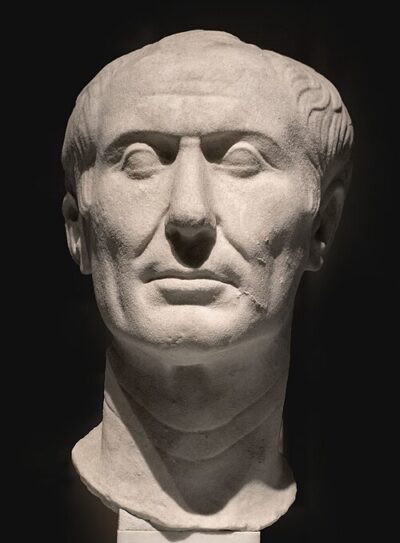 Julius Caesar (-62)Roman general and dictator
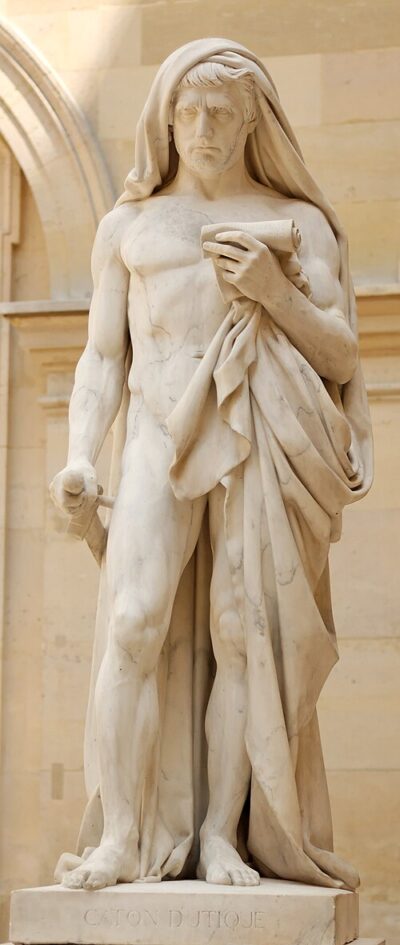 Cato the Younger (-54)Roman statesman, general and writer (95–46 BC)
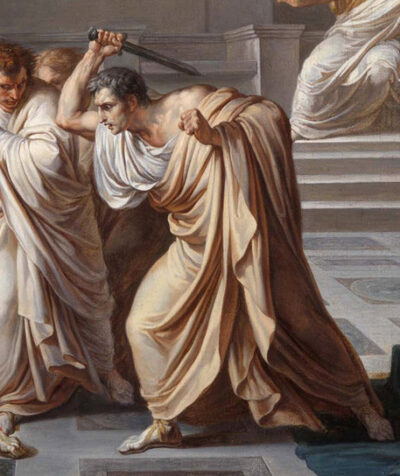 Gaius Cassius Longinus (-44)ancient Roman politician, known for his role in the assassination of Julius Caesar
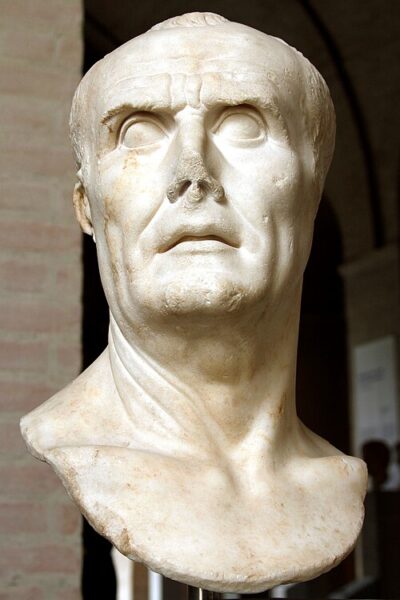 Gaius Marius (-115)Roman general, statesman and military reformer (157-86 BC)
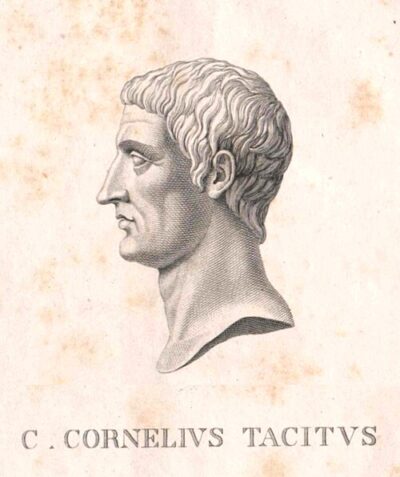 TacitusRoman historian and senator (c. 56 – c. 120)
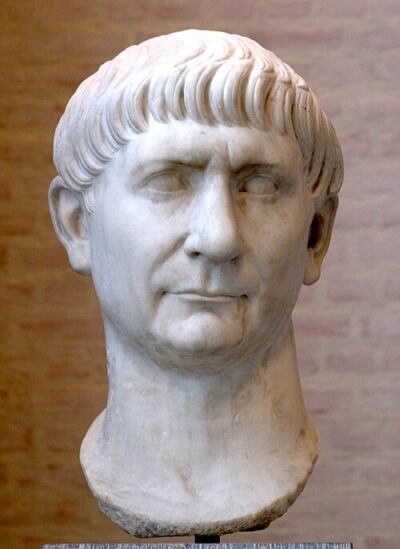 Trajan13th Roman Emperor (98–117)
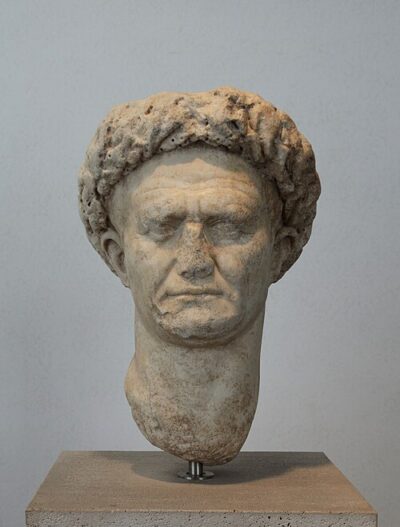 Vespasianninth Roman Emperor and founder of the Flavian dynasty (69–79)
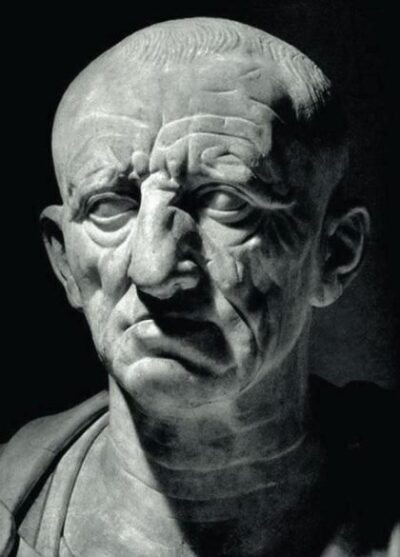 Cato the ElderRoman politician, soldier and writer (234–149 BC)
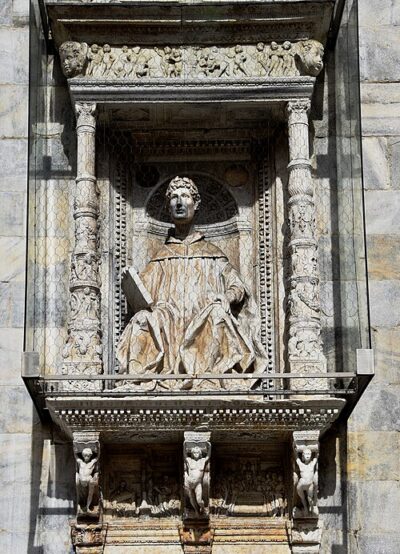 Pliny the YoungerRoman lawyer, author and magistrate (61 – c.113)
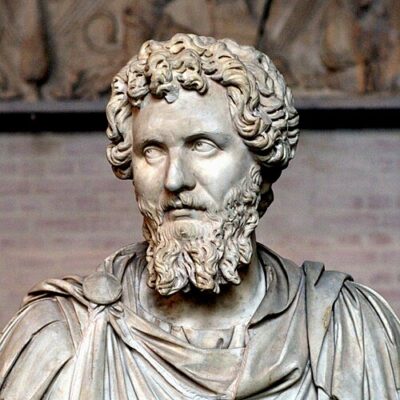 Septimius SeverusRoman emperor from 193 to 211
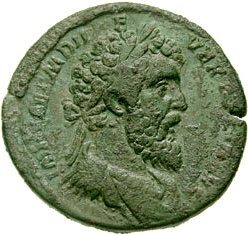 Didius Julianusemperor of ancient Rome (193 CE)
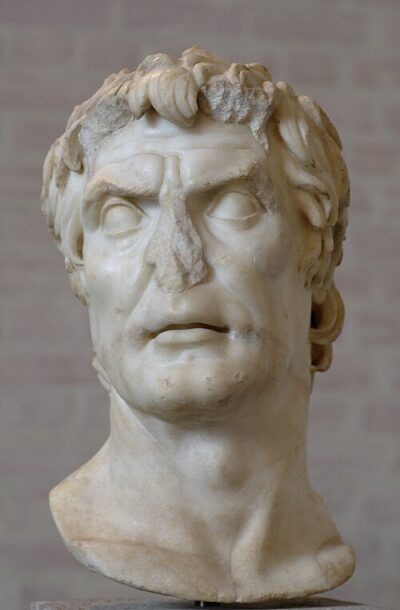 SullaRoman dictator and general
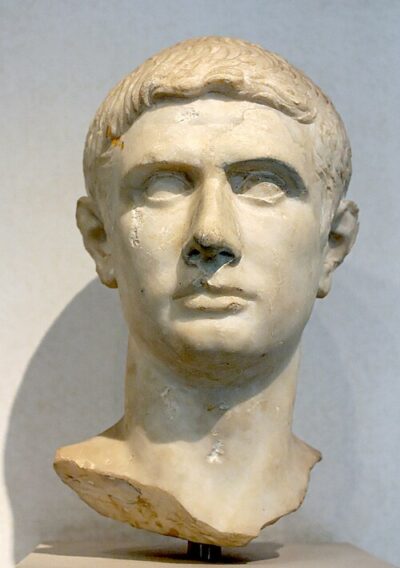 Marcus Junius Brutusassassin of Julius Caesar
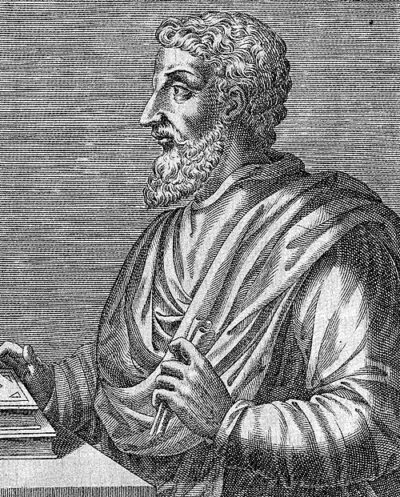 Marcus Terentius VarroRoman scholar, polymath and author (116–27 BC)
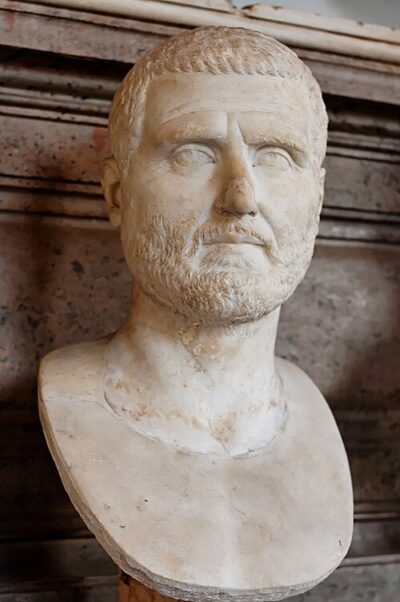 Gordian IRoman Emperor
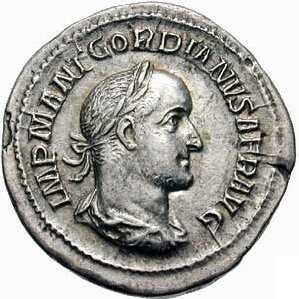 Gordian IIRoman Emperor in 238 AD
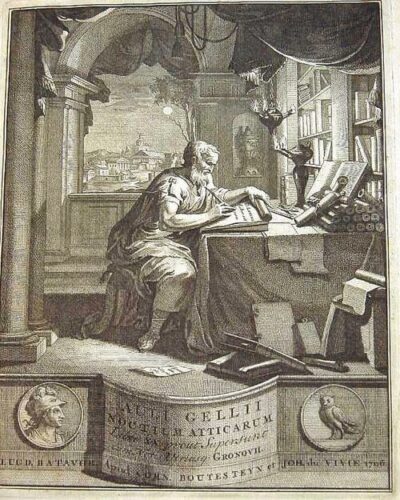 Aulus Gellius2nd century Roman author and grammarian
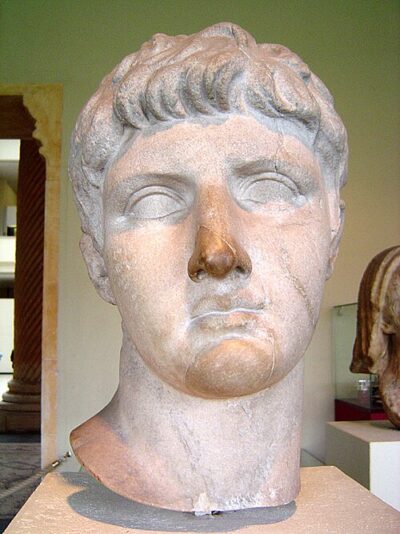 Nero Claudius DrususRoman general and statesman (38–9 BC)
