
quaestor
Quaestor is a type of public official in Ancient Rome.
- Office of
- Ancient Rome
- Country
- Ancient Rome
All 3 facts, and where they come from
Facts
3 facts · 0 confirmed by two sources · 0 cited · 3 from one source
Where this comes from
Papalocal keeps its own record. It started from these sources; what each one said is kept here as it was copied, so a change on their side never changes this page by itself. Tap one to read its version.
What Wikidata says · copied November 16, 2026 · revision 2568977254
- Described as
- type of public official in Ancient Rome
- Other names
- quaestors, quæstor, quæstors
- What it is
- position
- Country
- Ancient Rome
- Office of
- Ancient Rome
- Wikipedias with a page
- 49
Wikidata item Q189430 (wikidata.org/wiki/Q189430), public domain (CC0). Copied 2026-11-16.
What Wikipedia says · copied November 16, 2026 · revision 1374966820
A quaestor (British English: KWEE-stər, American English: KWEST-ər; Latin: [ˈkʷae̯stɔr]; "investigator") was a public official in ancient Rome. There were various types of quaestors, with the title used to describe greatly different offices at different times.
In the Roman Republic, quaestors were elected officials who supervised the state treasury and conducted audits. When assigned to provincial governors, the duties were mainly administrative and logistical, but also could expand to encompass military leadership and command. It was the lowest ranking position in the cursus honorum (course of offices); by the first century BC, one had to have been quaestor to be eligible for any other posts.
In the Roman Empire, the position initially remained as assistants to the magistrates with financial duties in the provinces, but over time, it faded away in the face of the expanding imperial bureaucracy. A position with a similar name (the quaestor sacri palatii) emerged during the Constantinian period with judicial responsibilities.
From the Wikipedia article “Quaestor” (en.wikipedia.org/wiki/Quaestor), by its contributors, under CC BY-SA 4.0 (creativecommons.org/licenses/by-sa/4.0/). Copied 2026-11-16; not changed.
Confirmed Two sources agree. Cited One source, and it names where it got it. One source One source, without a reference of its own. Sources disagree The sources disagree. We show the best-supported value and keep theirs below.
People connected 18
Held this office
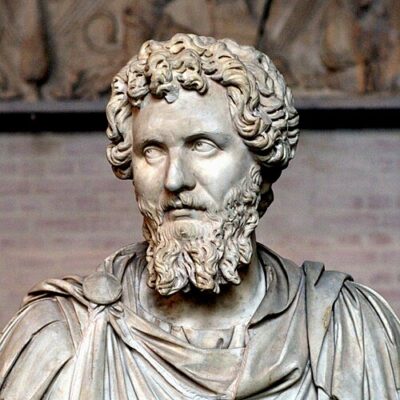 Septimius Severus (170)Roman emperor from 193 to 211
 Didius Julianus (157)emperor of ancient Rome (193 CE)
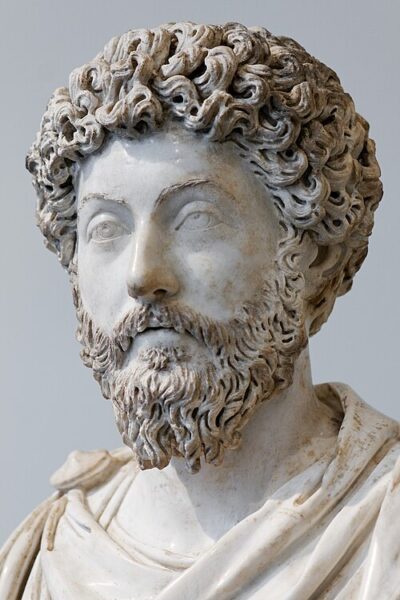 Marcus Aurelius (139)16th Roman Emperor from 161 to 180 and Stoic philosopher
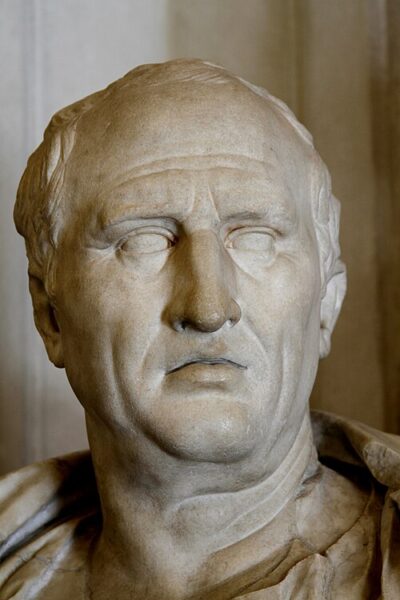 Cicero (-75)Roman statesman, lawyer, orator, and philosopher (106–43 BC)
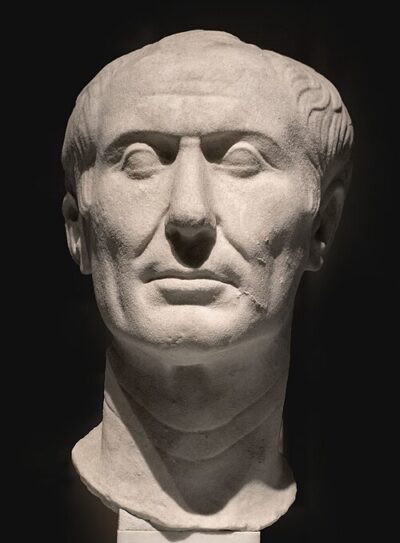 Julius Caesar (-69)Roman general and dictator
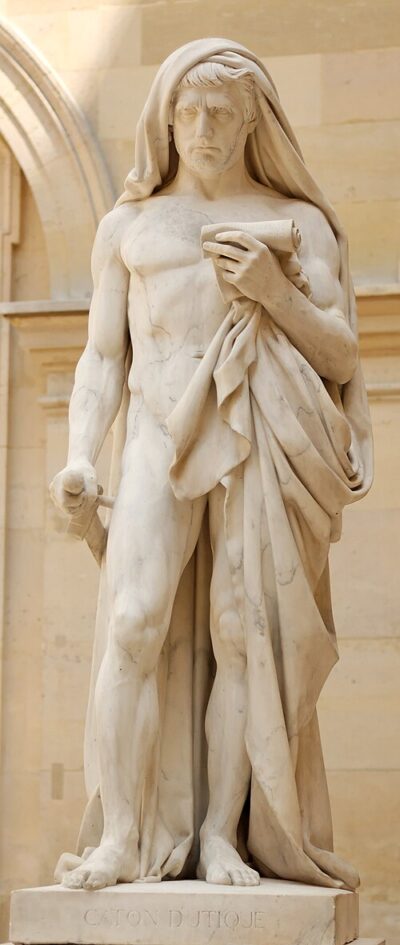 Cato the Younger (-65)Roman statesman, general and writer (95–46 BC)
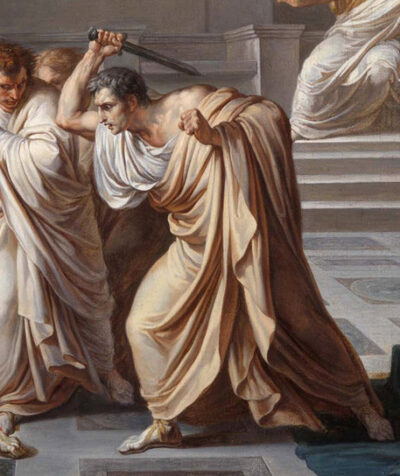 Gaius Cassius Longinus (-53)ancient Roman politician, known for his role in the assassination of Julius Caesar
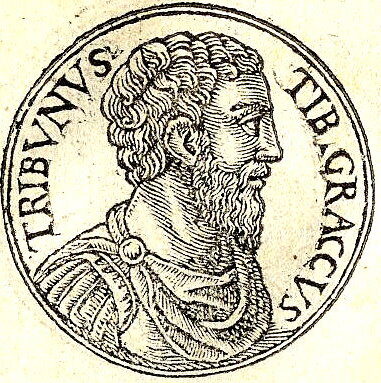 Tiberius Gracchus (-137)ancient Rome politician
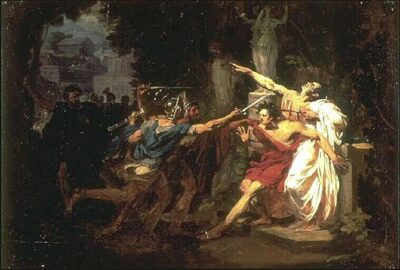 Gaius Gracchus (-126)ancient Roman politician
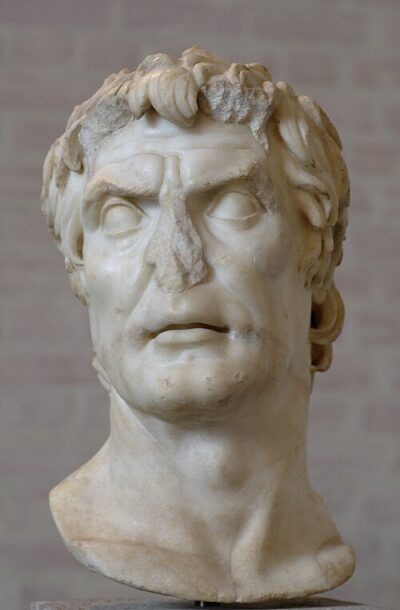 Sulla (-107)Roman dictator and general
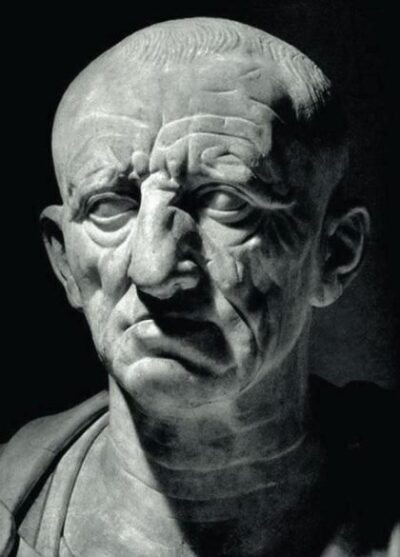 Cato the ElderRoman politician, soldier and writer (234–149 BC)
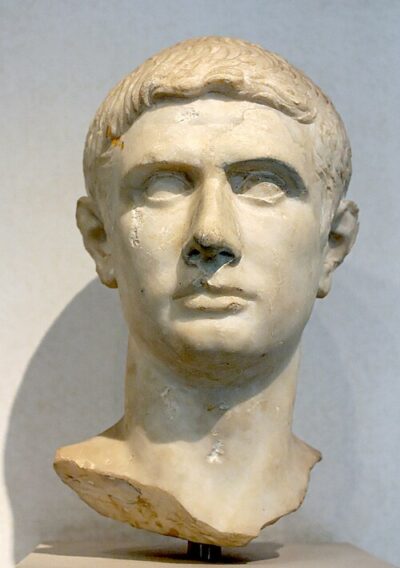 Marcus Junius Brutusassassin of Julius Caesar
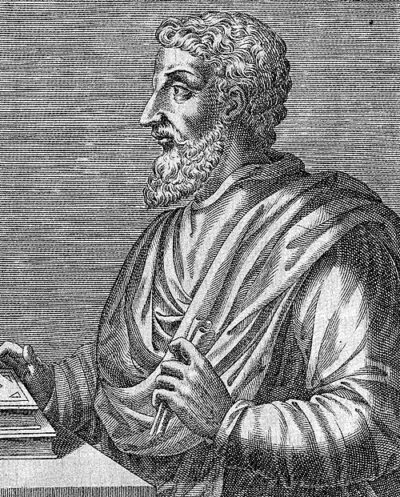 Marcus Terentius VarroRoman scholar, polymath and author (116–27 BC)
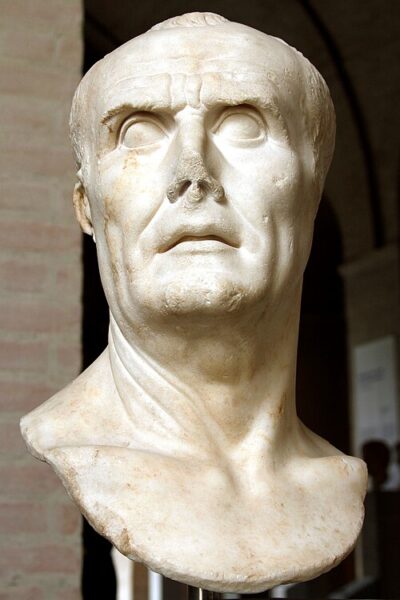 Gaius MariusRoman general, statesman and military reformer (157-86 BC)
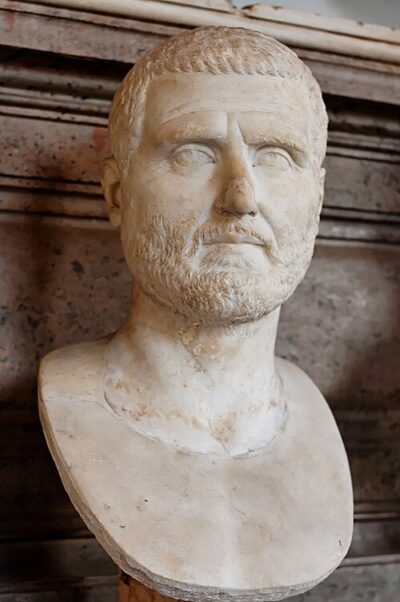 Gordian IRoman Emperor
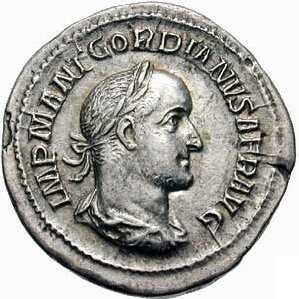 Gordian IIRoman Emperor in 238 AD
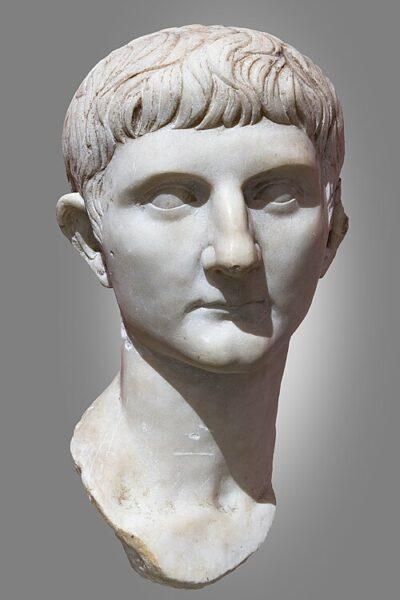 Germanicusnephew and adopted son of emperor Tiberius, heir apparent of the Roman Empire, and father of emperor Caligula
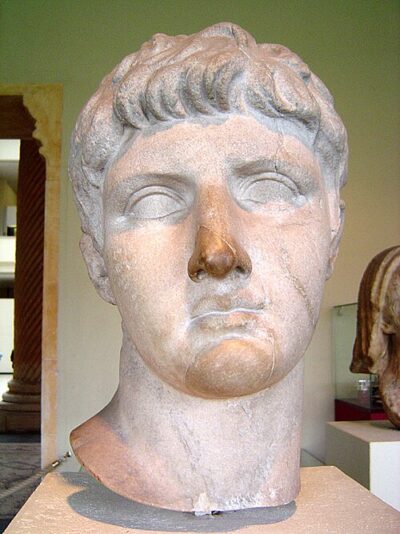 Nero Claudius DrususRoman general and statesman (38–9 BC)
