
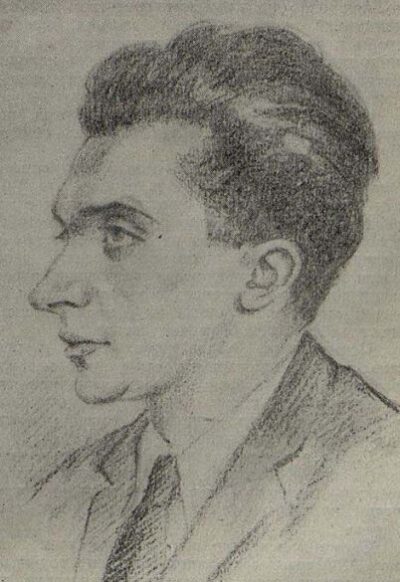
Mieczysław Weinberg
Mieczysław Weinberg was a Polish Soviet composer. Born December 8, 1919, in Warsaw. Died February 2, 1996, in Moscow. Known for Symphony No. 4. Educated at Chopin University of Music and Belarusian State Academy of Music. Awards include USSR State Prize, People's Artist of the RSFSR and Honored art worker of the Russian Soviet Federative Socialist Republic.
Facts
22 facts · 1 confirmed by two sources · 4 cited · 16 from one source · 1 where the sources disagree
What’s different
- Died: we show February 2, 1996 (Sources disagree). Wikipedia says February 26, 1996
Where this comes from
Papalocal keeps its own record. It started from these sources; what each one said is kept here as it was copied, so a change on their side never changes this page by itself. Tap one to read its version.
What Wikidata says · copied November 18, 2026 · revision 2567335548
- Described as
- Polish Soviet composer (1919–1996)
- Other names
- Moisey Samuilovich Vaynberg, Moisei Weinberg
- Born
- December 8, 1919 · 4 references
- Died
- February 2, 1996 · 2 references
- Born in
- Warsaw · 2 references
- Died in
- Moscow · 1 reference
- Buried in
- Domodedovo Cemetery
- Citizen of
- Second Polish Republic; Soviet Union; Russia
- Occupation
- composer · 1 reference; pianist · 1 reference
- Education
- Chopin University of Music (–1939); Belarusian State Academy of Music
- Genre
- opera; symphony
- Instrument
- piano
- Known for
- Symphony No. 4
- Awards
- USSR State Prize; People's Artist of the RSFSR; Honored art worker of the Russian Soviet Federative Socialist Republic
- Spouse
- Natalia Michoels
- Father
- Samuil Weinberg
- Religion
- Eastern Orthodox Church
- Wikipedias with a page
- 22
Wikidata item Q919127 (wikidata.org/wiki/Q919127), public domain (CC0). Copied November 18, 2026.
What Wikipedia says · copied November 18, 2026 · revision 1373232264
Mieczysław Weinberg (December 8, 1919 – February 26, 1996) was a Polish, Soviet, and Russian composer and pianist. Born in Warsaw to parents who worked in the Yiddish theatre in Poland, his early years were surrounded by music. At the age of 12, he began formal music lessons. Later, he studied piano at the Warsaw Conservatory. In 1939, Weinberg fled Warsaw when Germany invaded Poland and started World War II. His family was later murdered at the Trawniki concentration camp.
Weinberg found refuge in the Soviet Union. He established himself successfully in Moscow with support from Dmitri Shostakovich and the Committee on the Arts. Postwar changes in Soviet cultural policy led to increased persecution of minority groups, including Jews. Although Weinberg's music was well regarded and regularly played, he was surveilled and harassed by the MVD. On February 6, 1953, Weinberg was arrested and jailed at Lubyanka Prison. Intercession on his behalf by Shostakovich and Stalin's death led to Weinberg's release on April 25.
The 1960s were the peak of Weinberg's professional success. Aside from his concert works, his music for film also became well known. His score for Fyodor Khitruk's cartoon Winnie-the-Pooh was an immediate success and the verses sung by its titular character entered the Russian popular lexicon.
In the 1970s, Weinberg's career began to decline, in spite of increased official distinctions. He continued to compose prolifically through the 1980s, but health problems aggravated by the loss of state patronage and healthcare that resulted from the collapse of the Soviet Union left him bedridden in his final years. Belated recognition of his music outside of Russia began in the 1990s through the advocacy of Tommy Persson, a Swedish judge. In 1994, Poland awarded Weinberg the Meritorious Activist of Culture. He converted to Orthodox Christianity a few weeks before his death.
- Born, in its opening lines
- December 8, 1919
- Died, in its opening lines
- February 26, 1996
From the Wikipedia article “Mieczysław Weinberg” (en.wikipedia.org/wiki/Mieczysław_Weinberg), by its contributors, under CC BY-SA 4.0 (creativecommons.org/licenses/by-sa/4.0/). Copied November 18, 2026; not changed.
Confirmed Two sources agree. Cited One source, and it names where it got it. One source One source, without a reference of its own. Sources disagree The sources disagree. We show the best-supported value and keep theirs below.
