

Eastern Orthodox Church
The Eastern Orthodox Church is a second-largest Christian church. It was founded in 1054.
- Founded
- 1054
All 5 facts, and where they come from
Facts
5 facts · 0 confirmed by two sources · 0 cited · 5 from one source
Where this comes from
Papalocal keeps its own record. It started from these sources; what each one said is kept here as it was copied, so a change on their side never changes this page by itself. Tap one to read its version.
What Wikidata says · copied November 17, 2026 · revision 2568395726
- Described as
- second-largest Christian church
- Other names
- Eastern Church, Orthodox Church, Orthodox Catholic Church, Greek Church, Eastern Orthodox communion, Church of the Seven Councils, The Holy Orthodox Catholic Apostolic Eastern Church
- What it is
- Christian denomination; historic Church; Christian Church
- Founded
- 1054
- Named after
- first seven ecumenical councils
- Wikipedias with a page
- 139
Wikidata item Q35032 (wikidata.org/wiki/Q35032), public domain (CC0). Copied 2026-11-17.
What Wikipedia says · copied November 17, 2026 · revision 1385493190
The Eastern Orthodox Church, officially the Orthodox Catholic Church, also known as the Greek Orthodox Church is the second-largest Christian body in the world after the Roman Catholic Church, and one of the six major doctrinal and jurisdictional groups of Christianity.
The Eastern Orthodox Church operates as a communion of autocephalous churches, each governed by its bishops via local synods. The church has no central doctrinal or governmental authority analogous to the pope of the Roman Catholic Church. Nevertheless, the Ecumenical Patriarch of Constantinople is recognised by them as primus inter pares ('first among equals'), a title held by the patriarch of Rome prior to the East–West Schism.
As one of the oldest surviving religious institutions in the world, the Eastern Orthodox Church has played an especially prominent role in the history and culture of Eastern and Southeastern Europe. Since 2018, there has been an ongoing schism between Constantinople and Moscow, with the two not in full communion with each other.
Eastern Orthodox theology is based on the Scriptures and holy tradition, which incorporates the dogmatic decrees of the seven ecumenical councils, and the teaching of the Church Fathers. The church teaches that it is the one, holy, catholic and apostolic church established by Jesus Christ in his Great Commission, and that its bishops are the successors of Christ's apostles. It maintains that it practises the original Christian faith, as passed down by holy tradition. Its patriarchates, descending from the pentarchy, and other autocephalous and autonomous churches, reflect a variety of hierarchical organisation. It recognises seven major sacraments (which are called holy mysteries), of which the Eucharist is the principal one, celebrated liturgically in synaxis.
The Eastern Orthodox biblical canon contains 76 to 79 bible books depending on the local tradition. The church teaches that through consecration invoked by a priest, the sacrificial bread and wine become the body and blood of Christ. The Virgin Mary is venerated in the Eastern Orthodox Church as the Theotokos, which means 'God-bearer', and she is honoured in devotions.
The churches of Constantinople, Alexandria, Jerusalem, and Antioch—except for some breaks of communion such as the Photian schism or the Acacian schism—shared communion with the Church of Rome until the East–West Schism in 1054. The 1054 schism was the culmination of mounting theological, political, and cultural disputes, particularly over the authority of the pope, between those churches. Before the Council of Ephesus in AD 431, the Church of the East also shared in this communion, as did the various Oriental Orthodox Churches before the Council of Chalcedon in AD 451, all separating primarily over differences in Christology.
The Eastern Orthodox Church is the primary religious confession in Russia, Ukraine, Romania, Greece, Belarus, Serbia, Bulgaria, Georgia, Moldova, North Macedonia, Cyprus, and Montenegro. Eastern Orthodox Christians are also one of the main religious groups in Estonia, Bosnia and Herzegovina, Kosovo and Latvia as well as a significant group in Syria, Lebanon, and other countries in the Middle East. Roughly half of Eastern Orthodox Christians live in the post Eastern Bloc countries, mostly in Russia. The communities in the former Byzantine regions of North Africa and the Eastern Mediterranean are among the oldest Orthodox communities from the Middle East, which are decreasing due to forced migration driven by increased religious persecution. Eastern Orthodox communities outside Western Asia, Asia Minor, Caucasia and Eastern Europe, including those in North America, Western Europe, and Australia, have been formed through diaspora, conversions, and missionary activity.
From the Wikipedia article “Eastern Orthodox Church” (en.wikipedia.org/wiki/Eastern_Orthodox_Church), by its contributors, under CC BY-SA 4.0 (creativecommons.org/licenses/by-sa/4.0/). Copied 2026-11-17; not changed.
Confirmed Two sources agree. Cited One source, and it names where it got it. One source One source, without a reference of its own. Sources disagree The sources disagree. We show the best-supported value and keep theirs below.
Picture: Wikimedia Commons: Church of St. George, Istanbul (August 2010).jpg · See Commons file page
People connected 125
Religion 121
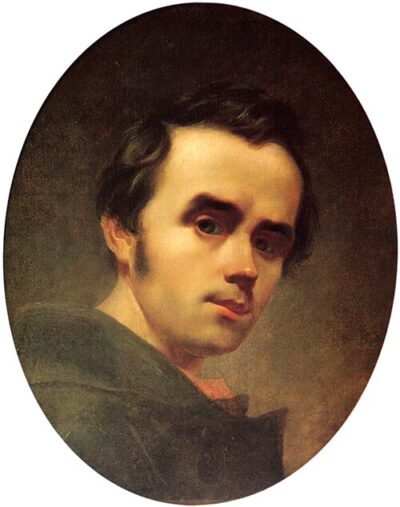 Taras ShevchenkoUkrainian poet and artist (1814–1861)
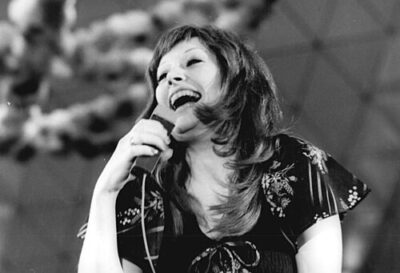 Alla PugachevaSoviet-Russian singer, composer, and actress
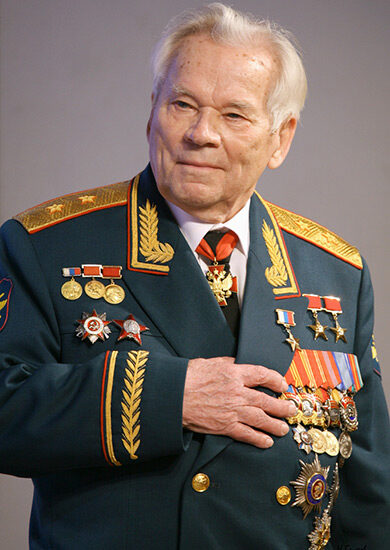 Mikhail KalashnikovSoviet and Russian small arms designer (1919–2013)
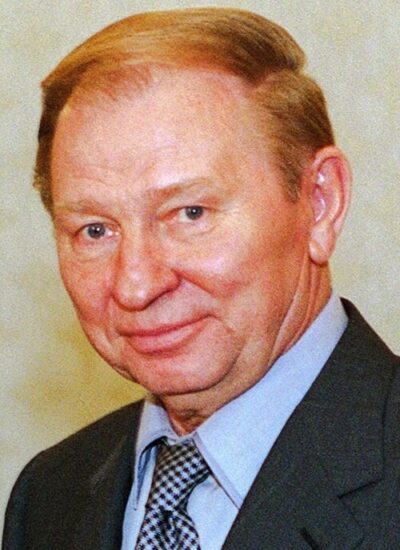 Leonid KuchmaUkrainian businessman and politician, second President of Ukraine from 1994 to 2005
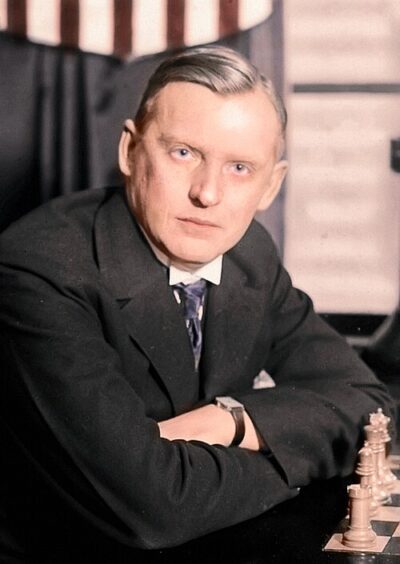 Alexander AlekhineRussian-French chess player (1892–1946)
 Anna KournikovaRussian tennis player and model
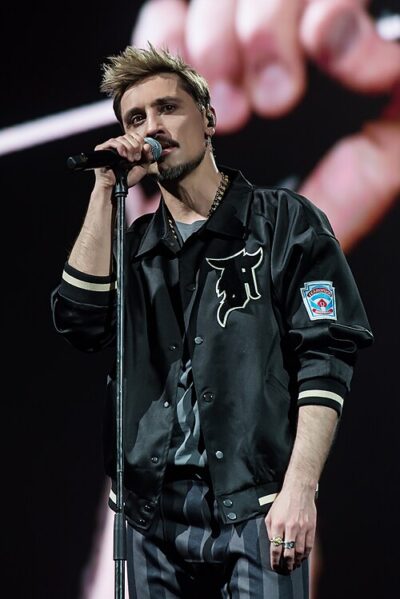 Dima BilanRussian pop singer
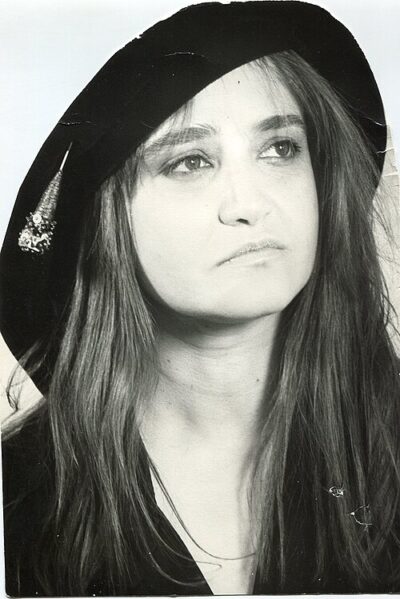 Angelique RockasSouth African Greek actress, producer, artistic director of Internationalist Theatre, and activist (born 1951)
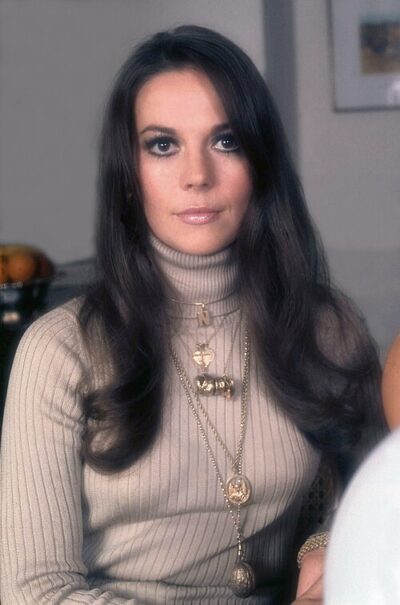 Natalie WoodAmerican actress (1938–1981)
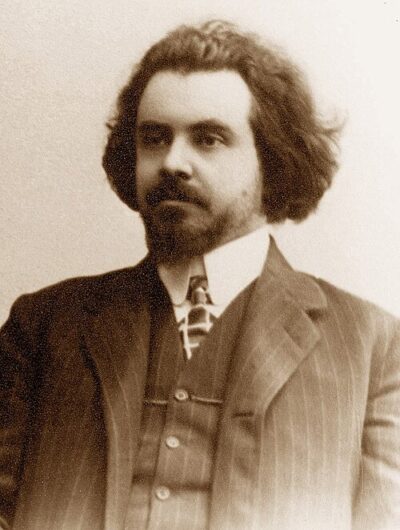 Nikolai BerdyaevRussian philosopher (1874–1948)
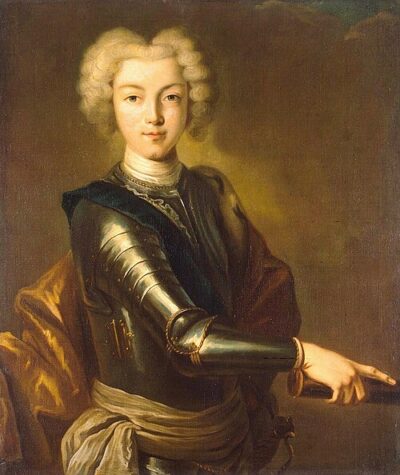 Peter II of RussiaEmperor of Russia (1715-1730)
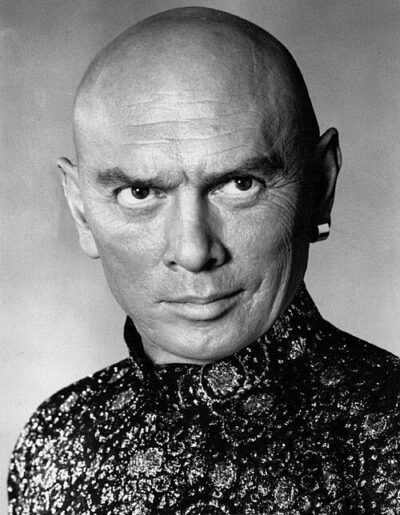 Yul BrynnerRussian-born American actor (1920–1985)
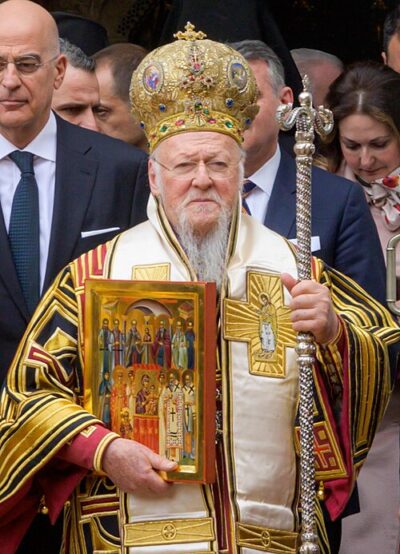 I. BartholomeosEcumenical Patriarch of Constantinople since 1991
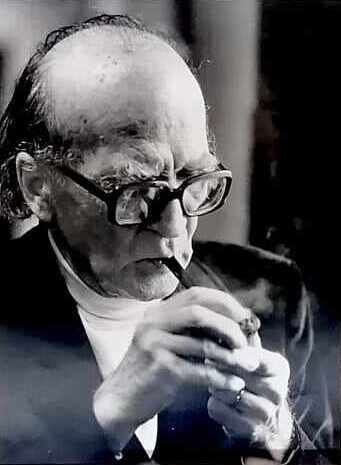 Mircea EliadeRomanian-American historian, writer, philosopher and professor at the University of Chicago (1907–1986)
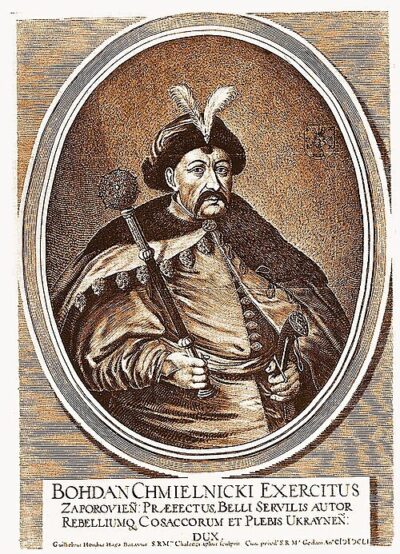 Bohdan KhmelnytskyUkrainian military, political and statesman, Hetman of the Zaporizhzhya Army, head of Ukraine (1648–1657) during the Hetmanship
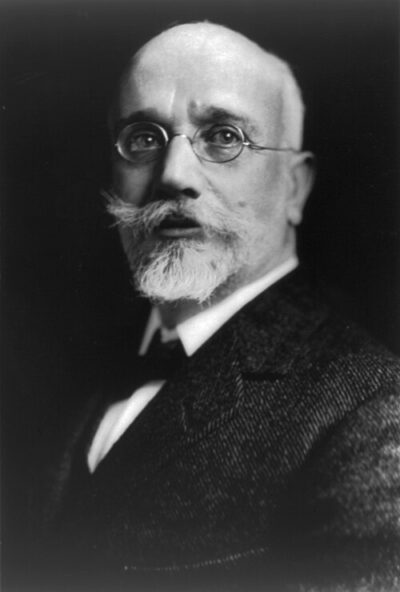 Eleftherios VenizelosGreek politician, former Prime Minister of Greece (1864–1936)
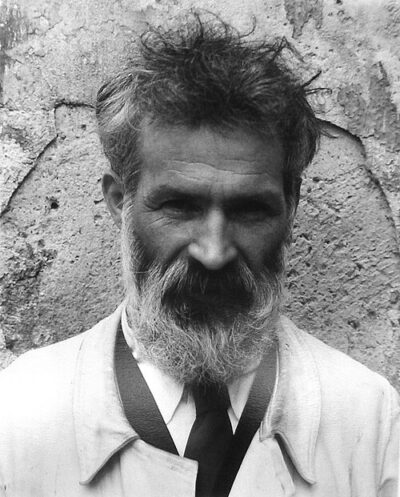 Constantin BrâncușiRomanian sculptor, photographer and painter (1876-1960)
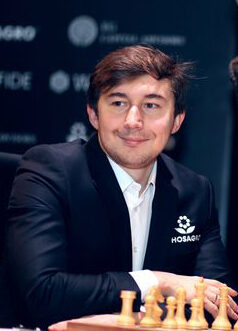 Sergey KarjakinRussian chess player
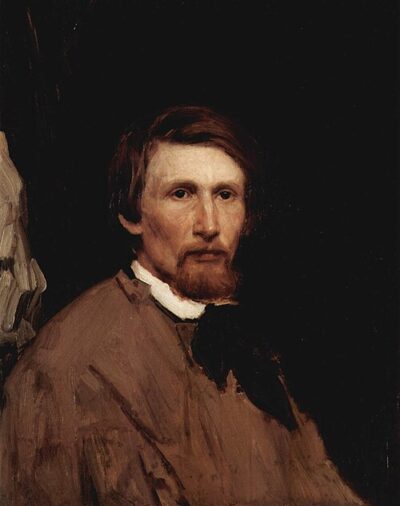 Viktor VasnetsovRussian artist (1848-1926)
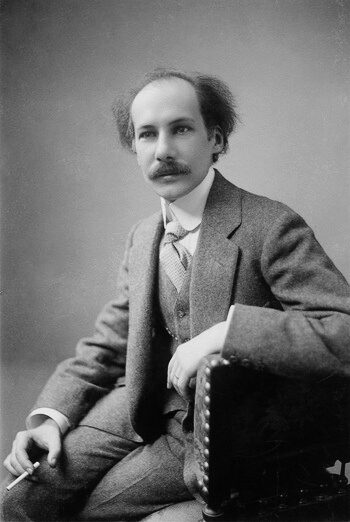 Andrei BelyRussian poet, writer and critic (1880–1934)
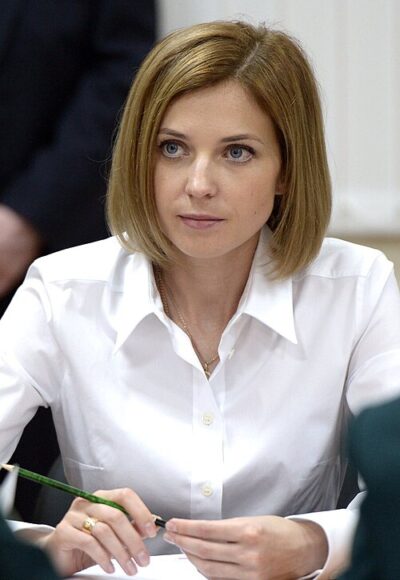 Radveda PoklonskayaRussian lawyer, politician and diplomat
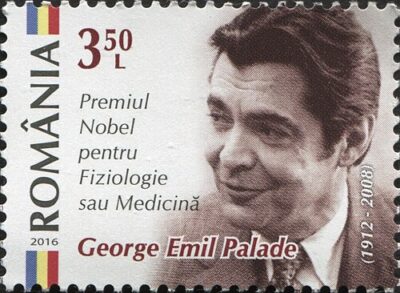 George Emil PaladeRomanian cell biologist, physician and Nobel laureate (1912–2008)
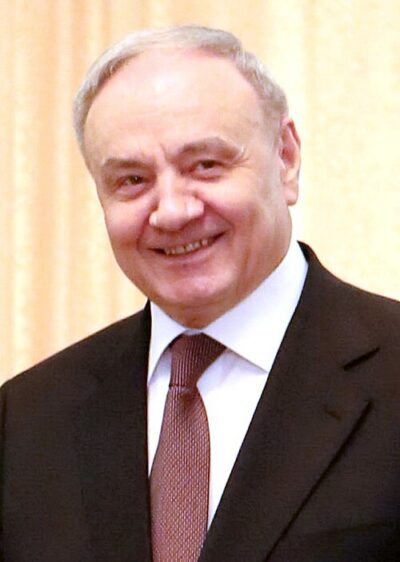 Nicolae Timofti4th President of Moldova (r. 2012–2016)
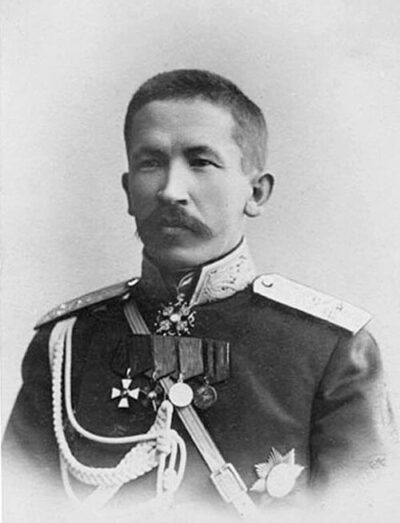 Lavr KornilovImperial Russian Army general (1870–1918)
and 97 more
Field
 I. Athenagorasecumenical Patriarch of Constantinople (1886–1972)
 Gabriel UrgebadzeGeorgian saint (1929–1995)
 Peter MogilaMetroploitan of Kyiv, Halych and All-Rus
 Severus of AntiochPatriarch of Antioch

