
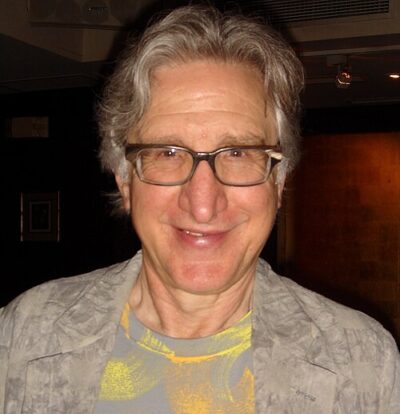
Ned Block
Ned Block is an American philosopher and academic. Born 1942, in Chicago. Educated at Harvard University. Awards include Guggenheim Fellowship, Jean Nicod Prize and Fellow of the Cognitive Science Society.
Facts
16 facts · 0 confirmed by two sources · 11 cited · 5 from one source
Where this comes from
Papalocal keeps its own record. It started from these sources; what each one said is kept here as it was copied, so a change on their side never changes this page by itself. Tap one to read its version.
What Wikidata says · copied November 16, 2026 · revision 2520947645
- Described as
- American philosopher and academic
- Other names
- Ned Joel Block
- Born
- 1942 · 7 references
- Born in
- Chicago · 1 reference
- Citizen of
- United States
- Occupation
- philosopher · 2 references; university teacher · 1 reference; psychologist · 1 reference; neurologist · 1 reference; academic · 1 reference
- Worked for
- New York University (1996–) · 3 references; Massachusetts Institute of Technology (1972–1996) · 1 reference
- Education
- Harvard University
- Member of
- American Academy of Arts and Sciences
- Awards
- Guggenheim Fellowship (1984) · 1 reference; Jean Nicod Prize (2013) · 1 reference; Fellow of the Cognitive Science Society
- Field
- philosophy of mind · 1 reference
- Wikipedias with a page
- 20
Wikidata item Q1722354 (wikidata.org/wiki/Q1722354), public domain (CC0). Copied November 16, 2026.
What Wikipedia says · copied November 16, 2026 · revision 1374069800
Ned Joel Block (born 1942) is an American philosopher working in philosophy of mind who has made important contributions to the understanding of consciousness and the philosophy of cognitive science. He has been professor of philosophy and psychology at New York University since 1996, and a Silver Professor since 2005.
From the Wikipedia article “Ned Block” (en.wikipedia.org/wiki/Ned_Block), by its contributors, under CC BY-SA 4.0 (creativecommons.org/licenses/by-sa/4.0/). Copied November 16, 2026; not changed.
Confirmed Two sources agree. Cited One source, and it names where it got it. One source One source, without a reference of its own. Sources disagree The sources disagree. We show the best-supported value and keep theirs below.
