
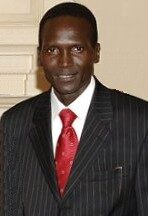
Paul Tergat is a Kenyan long-distance runner. Born June 17, 1969, in Baringo County. Positions held include ambassador and member of the International Olympic Committee (2013–).
Facts
13 facts · 1 confirmed by two sources · 2 cited · 10 from one source
Where this comes from
Papalocal keeps its own record. It started from these sources; what each one said is kept here as it was copied, so a change on their side never changes this page by itself. Tap one to read its version.
What Wikidata says · copied November 16, 2026 · revision 2542077538
- Described as
- Kenyan long-distance runner (born 1969)
- Other names
- Paul Kibii Tergat
- Born
- June 17, 1969 · 1 reference
- Born in
- Baringo County
- Citizen of
- Kenya
- Occupation
- marathon runner; long-distance runner; athletics competitor; diplomat; athlete · 1 reference
- Positions held
- ambassador; member of the International Olympic Committee (2013–) · 1 reference
- Member of
- International Olympic Committee
- Sport
- athletics
- Height
- 1.82 m (6 ft 0 in)
- Wikipedias with a page
- 29
Wikidata item Q313799 (wikidata.org/wiki/Q313799), public domain (CC0). Copied November 16, 2026.
What Wikipedia says · copied November 16, 2026 · revision 1370176691
Paul Kibii Tergat (born 17 June 1969) is a Kenyan former professional long-distance runner. He became the first Kenyan man to set the world record in the marathon in 2003, with a time of 2:04:55, and is regarded as one of the most accomplished long-distance runners of all time. Runnerworld called him the "Most comprehensive runner of all time".
Towards the end of his career, he concentrated exclusively on the marathon. Tergat set several world records and won many titles on the track, in cross country, and on the road. He lives and trains in Eldoret, Kenya.
- Born, in its opening lines
- June 17, 1969
From the Wikipedia article “Paul Tergat” (en.wikipedia.org/wiki/Paul_Tergat), by its contributors, under CC BY-SA 4.0 (creativecommons.org/licenses/by-sa/4.0/). Copied November 16, 2026; not changed.
Confirmed Two sources agree. Cited One source, and it names where it got it. One source One source, without a reference of its own. Sources disagree The sources disagree. We show the best-supported value and keep theirs below.
