

ambassador
Ambassador is the highest diplomatic rank.
All 3 facts, and where they come from
Facts
3 facts · 0 confirmed by two sources · 0 cited · 3 from one source
Where this comes from
Papalocal keeps its own record. It started from these sources; what each one said is kept here as it was copied, so a change on their side never changes this page by itself. Tap one to read its version.
What Wikidata says · copied November 16, 2026 · revision 2515839736
- Described as
- highest diplomatic rank
- Other names
- dipomatic ambassador
- What it is
- diplomatic rank; type of position; title of authority
- Wikipedias with a page
- 97
Wikidata item Q121998 (wikidata.org/wiki/Q121998), public domain (CC0). Copied 2026-11-16.
What Wikipedia says · copied November 16, 2026 · revision 1380068116
An ambassador is an official envoy, especially a high-ranking diplomat who represents a state and is usually accredited to another sovereign state or to an international organization as the resident representative of their own government or sovereign; or appointed for a special and often temporary diplomatic assignment. The word is also used informally for people who are known, without national appointment, to represent certain professions, activities, and fields of endeavor, such as sales.
An ambassador is the ranking government representative stationed in a foreign capital or country. The host country typically allows the ambassador control of specific territory called an embassy (which may include an official residence and an office, chancery, located together or separately, generally in the host nation's capital), whose territory, staff, and vehicles are generally afforded diplomatic immunity in the host country. Under the Vienna Convention on Diplomatic Relations, an ambassador has the highest diplomatic rank. Countries may choose to maintain diplomatic relations at a lower level by appointing a chargé d'affaires in place of an ambassador.
The equivalent to an ambassador exchanged among members of the Commonwealth of Nations are known as high commissioners. The ambassadors of the Holy See are known as apostolic nuncios.
From the Wikipedia article “Ambassador” (en.wikipedia.org/wiki/Ambassador), by its contributors, under CC BY-SA 4.0 (creativecommons.org/licenses/by-sa/4.0/). Copied 2026-11-16; not changed.
Confirmed Two sources agree. Cited One source, and it names where it got it. One source One source, without a reference of its own. Sources disagree The sources disagree. We show the best-supported value and keep theirs below.
Picture: Wikimedia Commons: Hans Holbein the Younger - The Ambassadors - Google Art Project.jpg · See Commons file page
People connected 152
Held this office 119
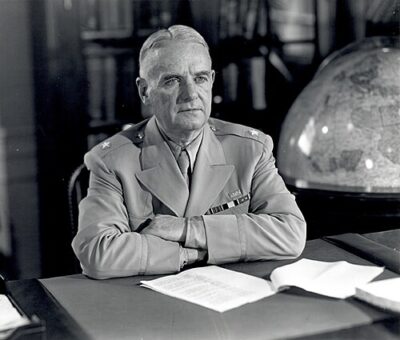 William J. Donovan (1953–1954)U.S. Army soldier during WWII, lawyer, intelligence officer and diplomat, head of the OSS (1883-1959)
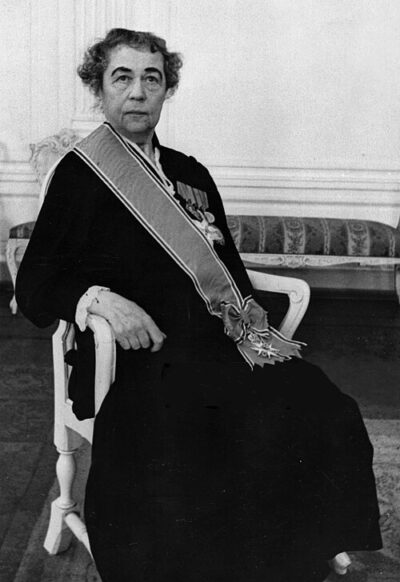 A. Kollontaĭ (1943–1945)Soviet revolutionary, ambassador, diplomat, feminist
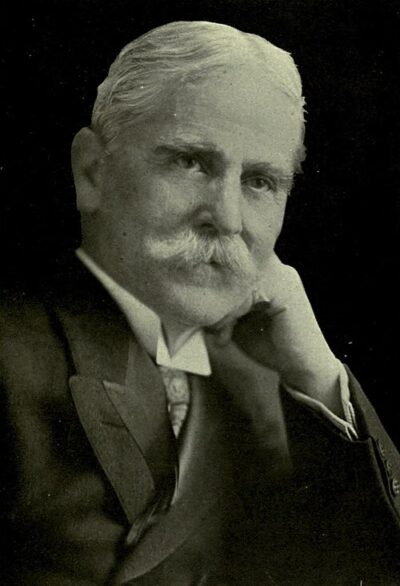 Henry van Dyke (1913–)American diplomat (1852–1933)
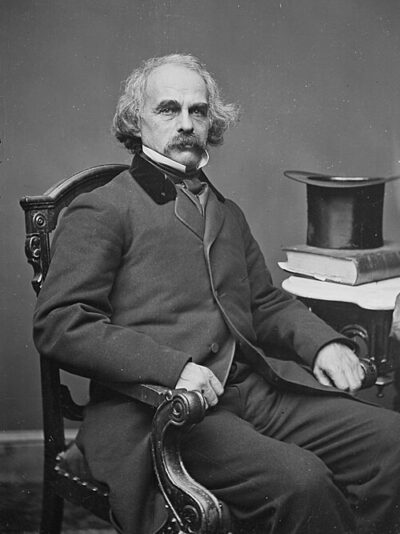 Nathaniel Hawthorne (1853–1857)American writer (1804–1864)
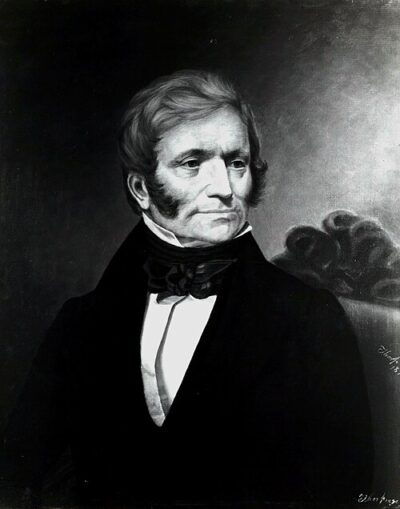 John Forsyth (1819–1823)American politician (1780–1841)
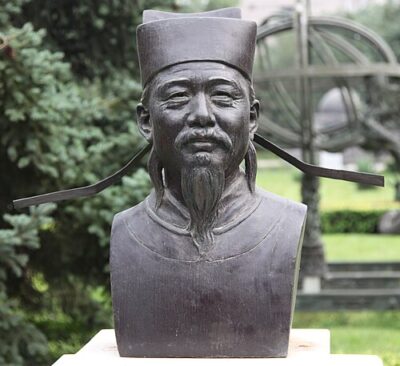 Shen Kuo (1075–1076)Chinese scientist and statesman (1031-1095)
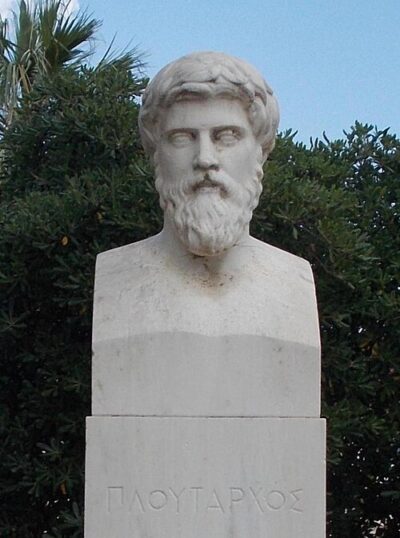 PlutarchGreek philosopher and historian (c. AD 46 – after AD 119)
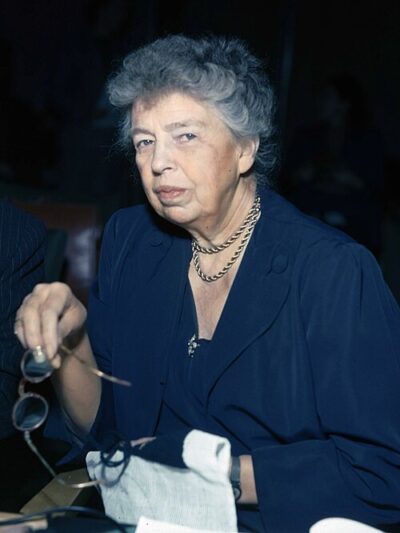 Eleanor RooseveltAmerican diplomat and activist, First Lady of the United States from 1933 to 1945 (1884–1962)
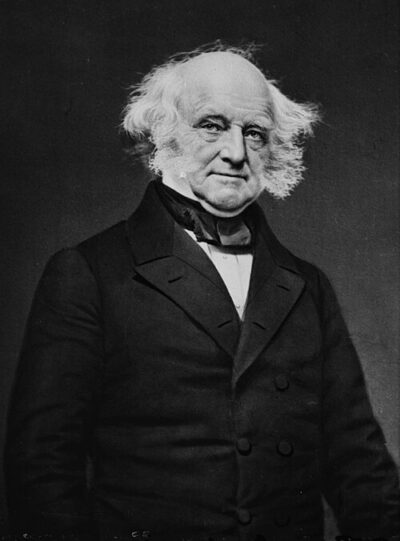 Martin Van Burenpresident of the United States from 1837 to 1841
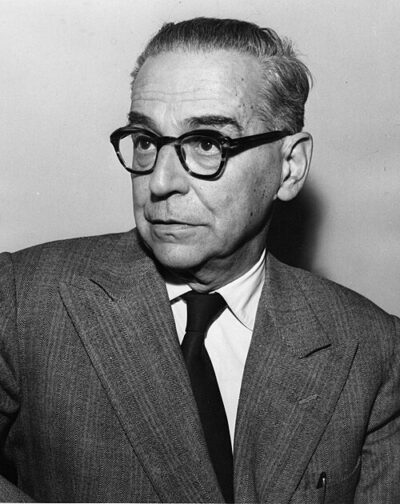 Ivo AndrićYugoslav novelist (1892–1975)
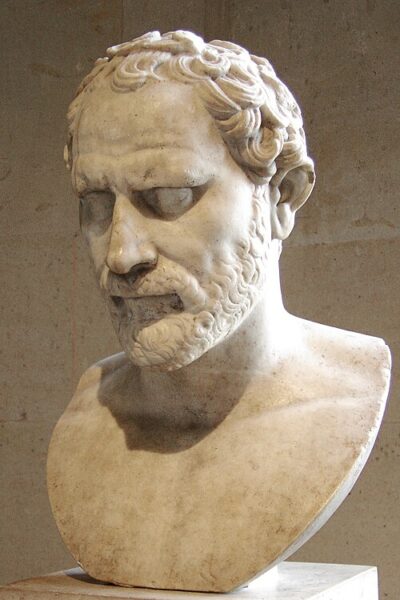 Demosthenesclassical Athenian statesman and orator (384–322 BC)
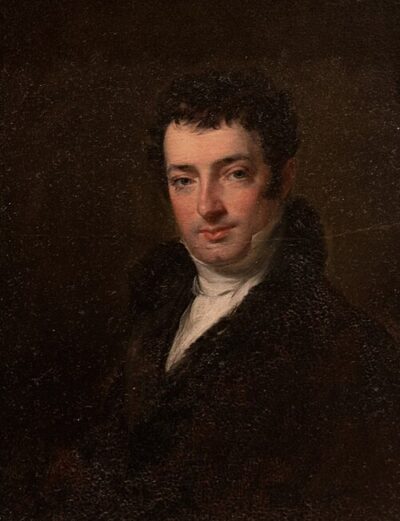 Washington IrvingAmerican writer, historian and diplomat (1783-1859)
 KakáBrazilian association football player (born 1982)
 Frederick DouglassAfrican-American social reformer, writer, and abolitionist (c. 1818–1895)
 Giorgos SeferisGreek poet and diplomat (1900-1971)
 Charles-Maurice de Talleyrand-PérigordFrench diplomat (1754-1838)
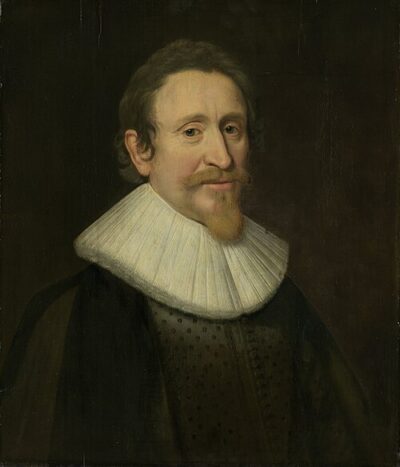 Hugo GrotiusDutch jurist and scholar (1583-1645)
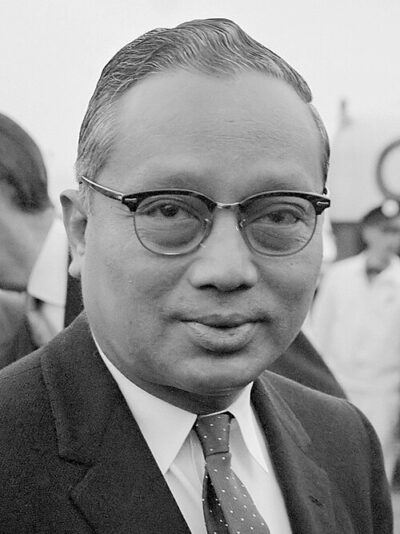 U ThantUN Secretary-General from 1961 to 1971
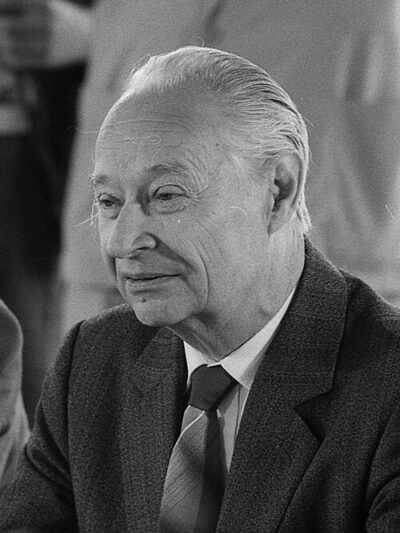 Alexander Dubčekfirst Secretary of the Czechoslovak Communist Party (1921-1992)
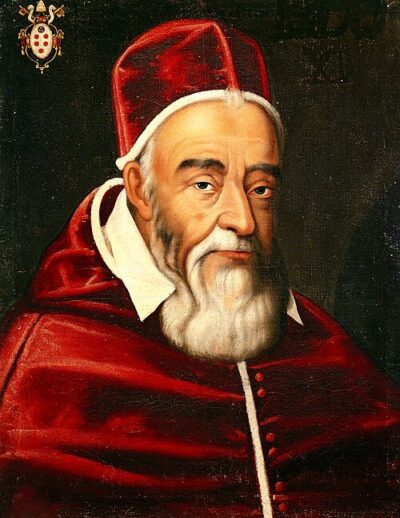 Leo XIpope of the Catholic Church in April 1605 (1535-1605)
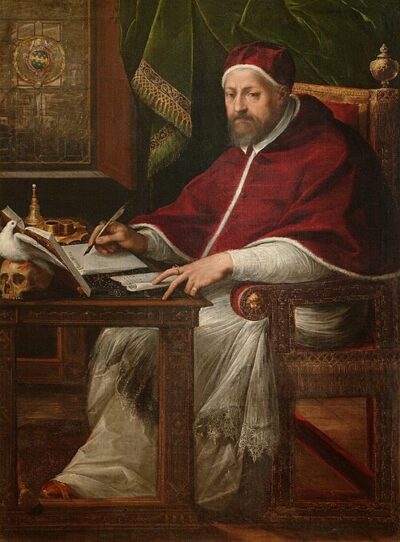 Clement VIIIpope of the Catholic Church from 1592 to 1605 (1536–1605)
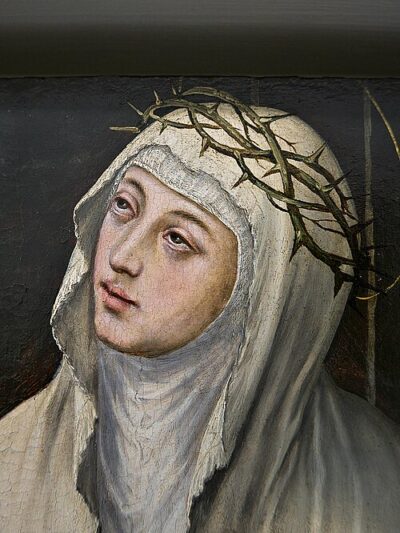 Catherine of SienaItalian Dominican saint (1347-1380)
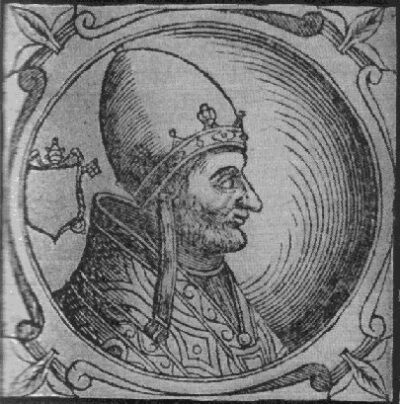 Adrian IVPope from 1154 to 1159
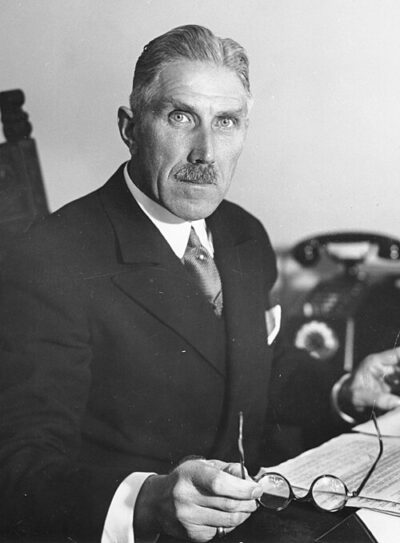 Franz von PapenGerman general staff officer, politician, diplomat, nobleman and Chancellor of Germany (1879–1969)
and 95 more
Occupation 50
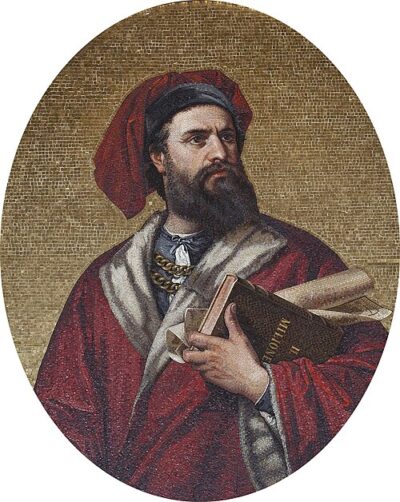 Marco PoloVenetian explorer and merchant who travelled through Asia (1254–1324)
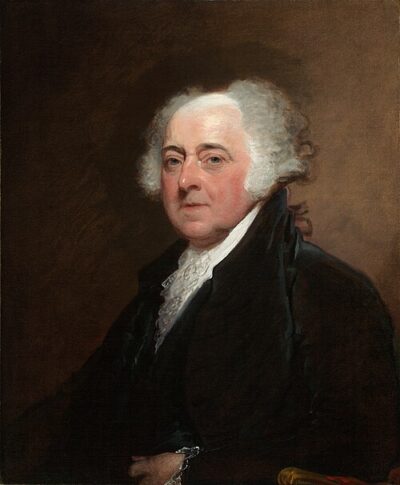 John AdamsFounding Father, U.S. president from 1797 to 1801 (1735–1826)
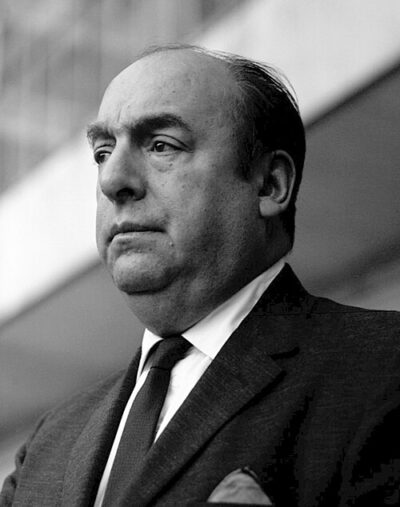 Pablo NerudaChilean poet and politician (1904-1973)
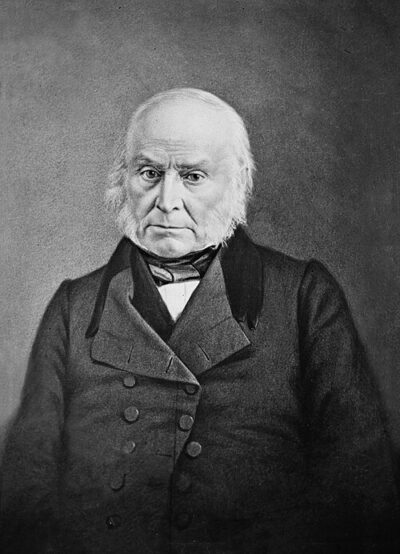 John Quincy AdamsPresident of the United States from 1825 to 1829
- Martin Van Burenpresident of the United States from 1837 to 1841
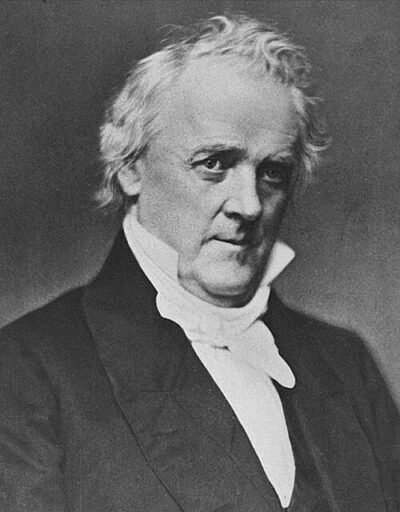 James Buchananpresident of the United States from 1857 to 1861
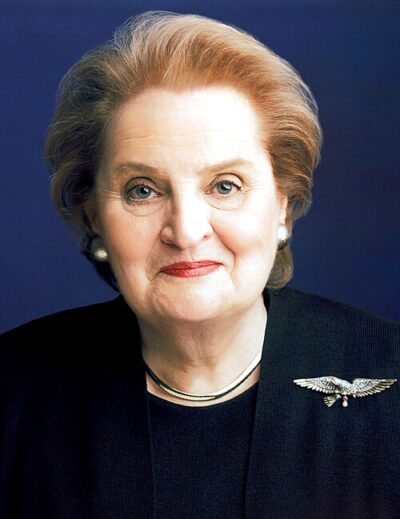 Madeleine AlbrightUnited States Secretary of State from 1997 to 2001
- Giorgos SeferisGreek poet and diplomat (1900-1971)
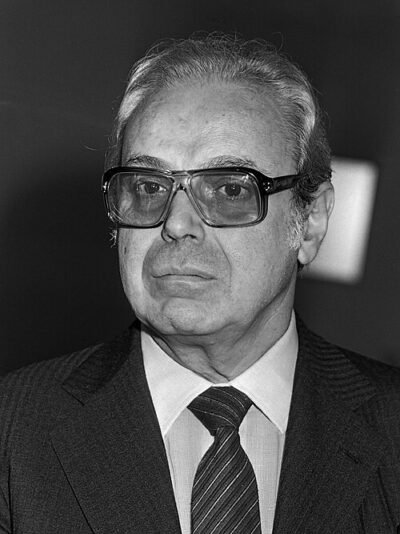 Javier Pérez de Cuéllar5th Secretary-General of the United Nations (1920-2020)
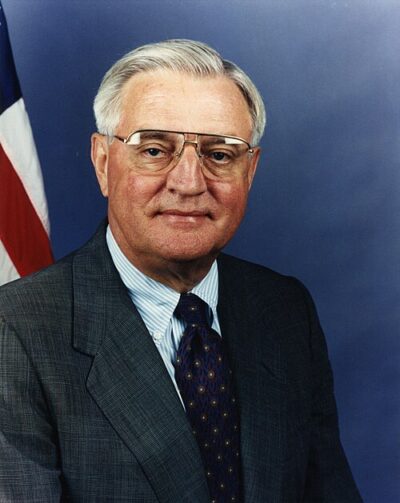 Walter MondaleVice President of the United States from 1977 to 1981 (1928–2021)
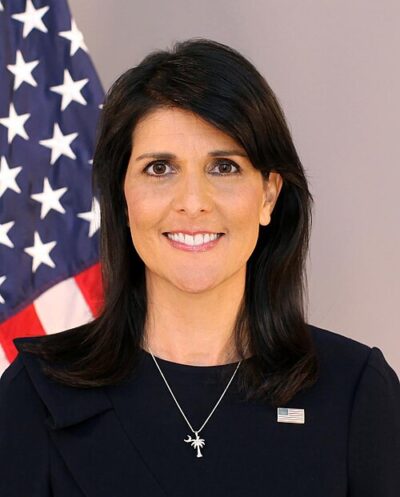 Nikki HaleyAmerican politician and diplomat (born 1972)
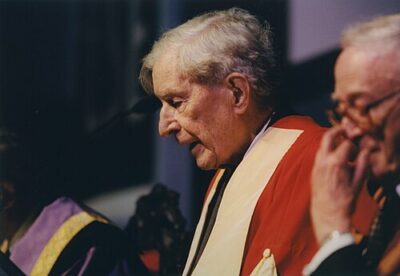 John Kenneth GalbraithCanadian-American economist and diplomat (1908–2006)
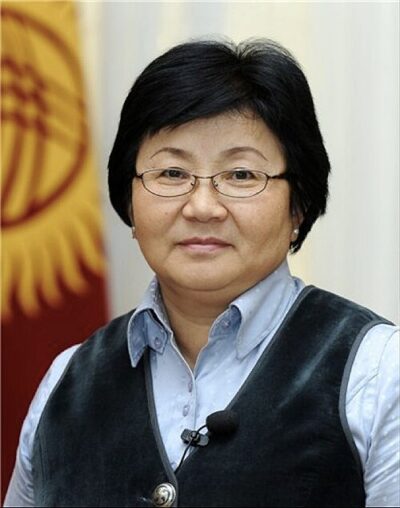 Roza OtunbayevaPresident of Kyrgyzstan
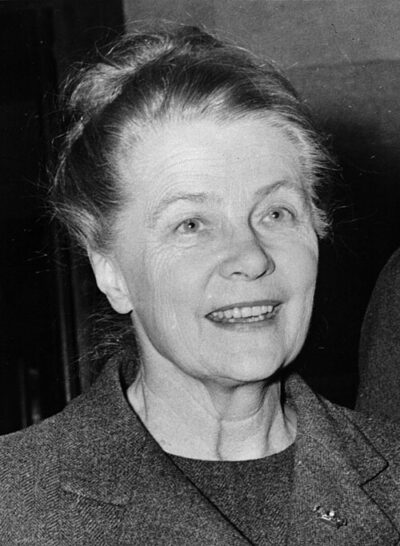 Alva MyrdalSwedish sociologist and politician (1902-1986)
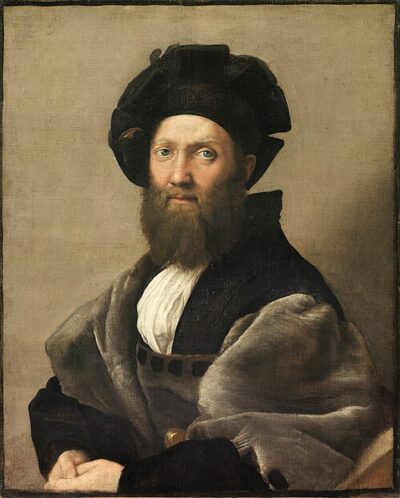 Baldassarre CastiglioneItalian Renaissance author (1478-1529)
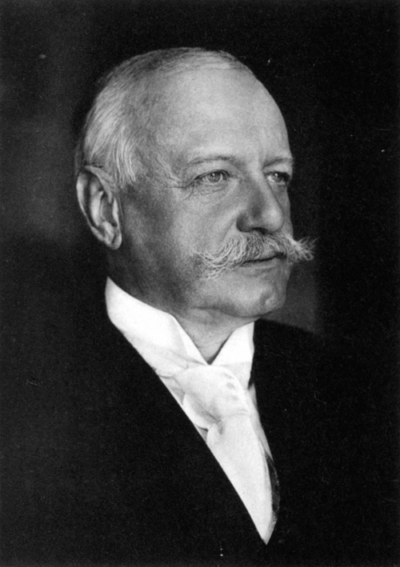 Bernhard von BülowGerman and Prussian politician (1849–1929)
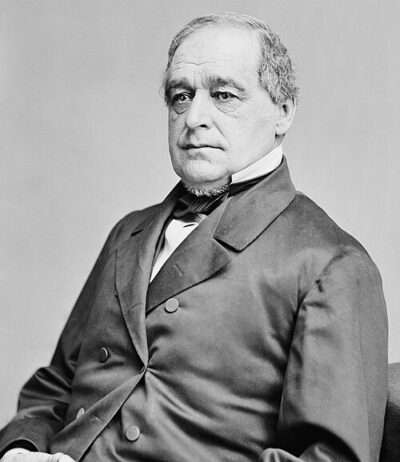 Hannibal HamlinVice President of the United States from 1861 to 1865 (1809–1891)
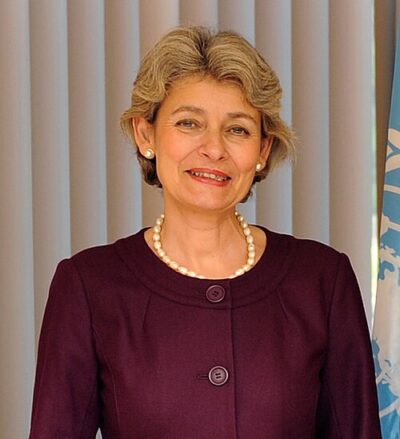 Irina BokovaBulgarian diplomat
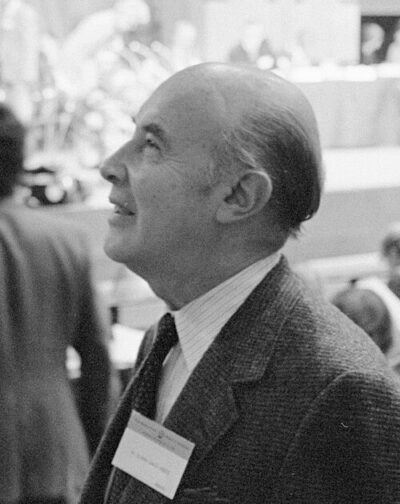 Alfonso García RoblesMexican diplomat and politician (1911-1991)
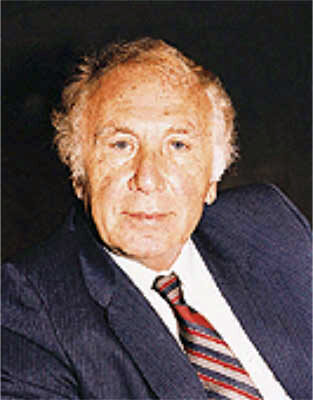 Nizar QabbaniSyrian diplomat, poet and publisher (1923-1998)
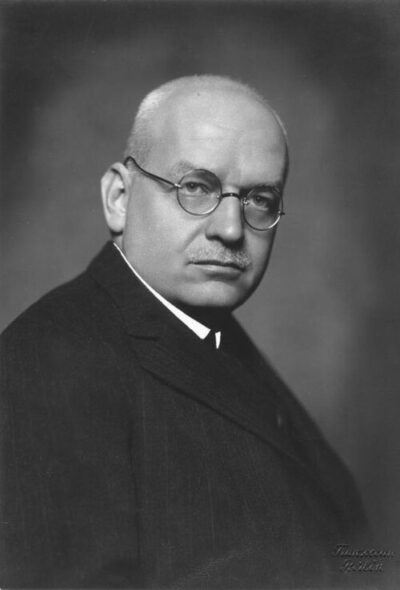 Hans LutherGerman chancellor (1879-1962)
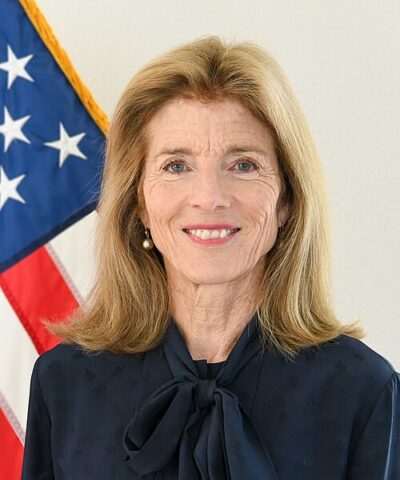 Caroline KennedyAmerican author and diplomat (born 1957)
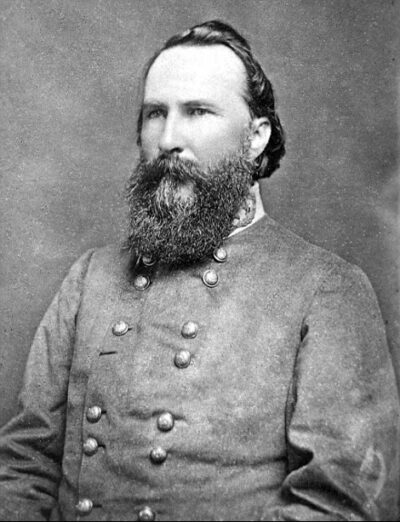 James LongstreetConfederate Army general (1821–1904)
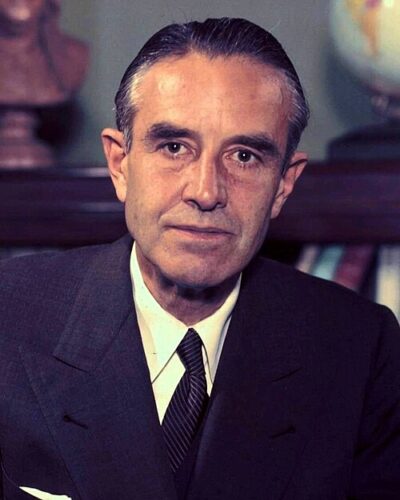 W. Averell HarrimanAmerican businessman, politician and diplomat (1891–1986)
and 26 more
