
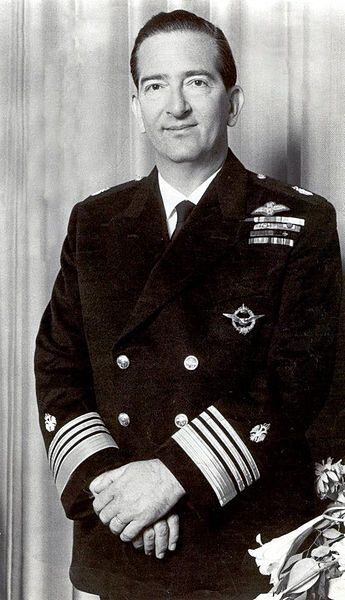
Peter II of Yugoslavia
Peter II of Yugoslavia was a last King of Yugoslavia from 1934 to 1945. Born September 6, 1923, in Belgrade. Died November 3, 1970, in Denver. Positions held include King of Yugoslavia (1934–1945). Educated at University of Cambridge and Sandroyd School. Awards include Order of St. Sava, Order of the White Eagle and Order of the Star of Karađorđe.
Facts
32 facts · 2 confirmed by two sources · 3 cited · 27 from one source
Where this comes from
Papalocal keeps its own record. It started from these sources; what each one said is kept here as it was copied, so a change on their side never changes this page by itself. Tap one to read its version.
What Wikidata says · copied November 16, 2026 · revision 2567381627
- Described as
- last King of Yugoslavia from 1934 to 1945 (1923-1970)
- Other names
- Petar II Karađorđević
- Born
- September 6, 1923 · 9 references
- Died
- November 3, 1970 · 5 references
- Born in
- Belgrade · 1 reference
- Died in
- Denver · 1 reference
- Buried in
- Oplenac (2013–); St. Sava's Serbian Orthodox Seminary (–2013)
- Cause of death
- liver cirrhosis
- Citizen of
- Kingdom of Yugoslavia
- Occupation
- monarch
- Positions held
- King of Yugoslavia (1934–1945)
- Education
- University of Cambridge; Sandroyd School
- Member of
- Serbian Royal Family (1923–1929); Yugoslav Royal Family
- Awards
- Order of St. Sava; Order of the White Eagle; Order of the Star of Karađorđe; Knight grand cross of the order of the crown of Italy; Knight Grand Cross of the Order of Saints Maurice and Lazarus; Knight of the Order of the Most Holy Annunciation; Order of Saint John; Order of the Redeemer; Legion of Honour; Order of the Golden Spur
- Spouse
- Alexandra of Yugoslavia (1944–1970) · 1 reference
- Children
- Alexander, Crown Prince of Serbia
- Father
- Alexander I of Yugoslavia
- Mother
- Maria of Yugoslavia
- Siblings
- Prince Tomislav of Yugoslavia · 1 reference; Prince Andrej of Yugoslavia
- Religion
- Serbian Orthodox Church
- Military branch
- Royal Air Force
- Wikipedias with a page
- 56
Wikidata item Q223183 (wikidata.org/wiki/Q223183), public domain (CC0). Copied November 16, 2026.
What Wikipedia says · copied November 16, 2026 · revision 1370896236
Peter II Karađorđević (Serbo-Croatian: Петар II Карађорђевић, Petar II Karađorđević; 6 September 1923 – 3 November 1970) was the last King of Yugoslavia, reigning from October 1934 until he was deposed in November 1945. He was the last reigning member of the Karađorđević dynasty.
The eldest child of King Alexander I and Maria of Romania, Peter acceded to the Yugoslav throne in 1934 at the age of 11 after his father was assassinated during a state visit to Marseille. A regency was set up under his cousin Prince Paul. After Paul declared Yugoslavia's accession to the Tripartite Pact in late March 1941, a pro-British coup d'état deposed the regent and declared the then 17-year-old Peter of legal ruling age.
In response, Axis forces invaded Yugoslavia ten days later and quickly overran the country, forcing the king and his ministers into exile in the United Kingdom. A government-in-exile was set up in June 1941 following Peter's arrival at London. In March 1944, he married Princess Alexandra of Greece and Denmark. Their only son, Alexander, was born a year later. In November 1945, the Yugoslav Constituent Assembly formally deposed Peter and proclaimed Yugoslavia a republic.
Peter settled in the United States after his deposition. Suffering from depression and alcoholism later in his life, he died of cirrhosis in November 1970, aged 47. His remains were buried at the Saint Sava Monastery Church in Libertyville, Illinois, before being transferred to the Royal Mausoleum of Oplenac in 2013.
- Born, in its opening lines
- September 6, 1923
- Died, in its opening lines
- November 3, 1970
From the Wikipedia article “Peter II of Yugoslavia” (en.wikipedia.org/wiki/Peter_II_of_Yugoslavia), by its contributors, under CC BY-SA 4.0 (creativecommons.org/licenses/by-sa/4.0/). Copied November 16, 2026; not changed.
Confirmed Two sources agree. Cited One source, and it names where it got it. One source One source, without a reference of its own. Sources disagree The sources disagree. We show the best-supported value and keep theirs below.
