

Royal Air Force
The Royal Air Force is an aerial warfare service branch of the British Armed Forces. It was founded in 1918. Its headquarters are in the Ministry of Defence Main Building.
- Founded
- April 1, 1918
- Headquarters
- Ministry of Defence Main Building
- Country
- United Kingdom
All 8 facts, and where they come from
Facts
8 facts · 0 confirmed by two sources · 1 cited · 7 from one source
Where this comes from
Papalocal keeps its own record. It started from these sources; what each one said is kept here as it was copied, so a change on their side never changes this page by itself. Tap one to read its version.
What Wikidata says · copied November 17, 2026 · revision 2570401125
- Described as
- aerial warfare service branch of the British Armed Forces
- Other names
- RAF
- What it is
- air force; military branch
- Founded
- April 1, 1918 · 1 reference
- Headquarters
- Ministry of Defence Main Building
- Country
- United Kingdom
- Part of
- British Armed Forces; Ministry of Defence
- Official website
- https://www.raf.mod.uk/
- Wikipedias with a page
- 71
Wikidata item Q165862 (wikidata.org/wiki/Q165862), public domain (CC0). Copied 2026-11-17.
What Wikipedia says · copied November 17, 2026 · revision 1386182884
The Royal Air Force (RAF) is the air and space force of the United Kingdom, British Overseas Territories and Crown Dependencies. It was formed towards the end of the First World War on 1 April 1918 through the merger of the Royal Flying Corps (RFC) and the Royal Naval Air Service (RNAS). Following the Allied victory over the Central Powers in 1918, they emerged as the largest air force in the world. Since its formation, they have played a significant role in British military history. In particular, during the Second World War, they defeated the German Luftwaffe's efforts to establish air superiority over Great Britain during the Battle of Britain, and played a key role in the Combined Bomber Offensive alongside the USAAF.
The RAF's mission is to support the objectives of the British Ministry of Defence (MOD), which are to "provide the capabilities needed to ensure the security and defence of the United Kingdom and overseas territories, including against terrorism; to support the Government's foreign policy objectives particularly in promoting international peace and security". Its mission statement as "... [to provide] an agile, adaptable and capable Air Force that, person for person, is second to none, and that makes a decisive air power contribution in support of the UK Defence Mission". The mission statement is supported by the RAF's definition of air power, which guides its strategy. Air power is defined as "the ability to project power from the air and space to influence the behaviour of people or the course of events".
Today, the Royal Air Force maintains an operational fleet of various types of aircraft, described as being "leading-edge" in terms of technology. This largely consists of fixed-wing aircraft, including those in the following roles: fighter and strike, airborne early warning and control, intelligence, surveillance, target acquisition, and reconnaissance (ISTAR), signals intelligence (SIGINT), maritime patrol, air-to-air refueling (AAR) and strategic & tactical transport. The majority of their rotary-wing aircraft form part of the tri-service Joint Aviation Command in support of ground forces. Most of their aircraft and personnel are based in the UK, with many others serving on global operations (principally over Iraq and Syria) or at long-established overseas bases (Ascension Island, Cyprus, Gibraltar, and the Falkland Islands). Although they are the principal British air power arm, the Royal Navy's Fleet Air Arm and the British Army's Army Air Corps also operate armed aircraft.
From the Wikipedia article “Royal Air Force” (en.wikipedia.org/wiki/Royal_Air_Force), by its contributors, under CC BY-SA 4.0 (creativecommons.org/licenses/by-sa/4.0/). Copied 2026-11-17; not changed.
Confirmed Two sources agree. Cited One source, and it names where it got it. One source One source, without a reference of its own. Sources disagree The sources disagree. We show the best-supported value and keep theirs below.
Picture: Wikimedia Commons: C17 Transport Aircraft Taking Off from RAF Brize Norton MOD 45156519.jpg · See Commons file page
People connected 66
Military branch 65
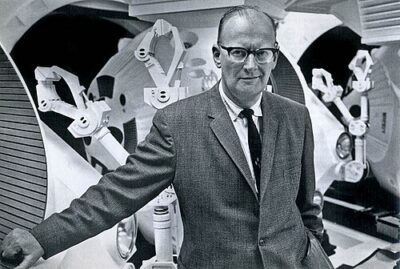 Arthur C. ClarkeBritish science fiction writer, inventor, and futurist (1917–2008)
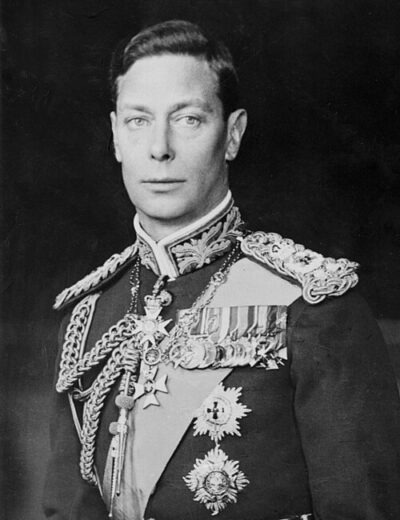 George VIKing of the United Kingdom from 1936 to 1952
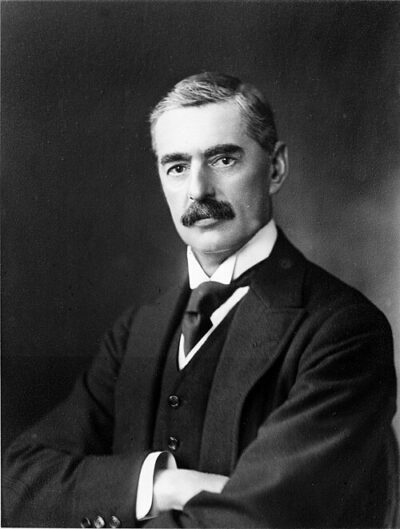 Neville ChamberlainPrime Minister of the United Kingdom from 1937 to 1940
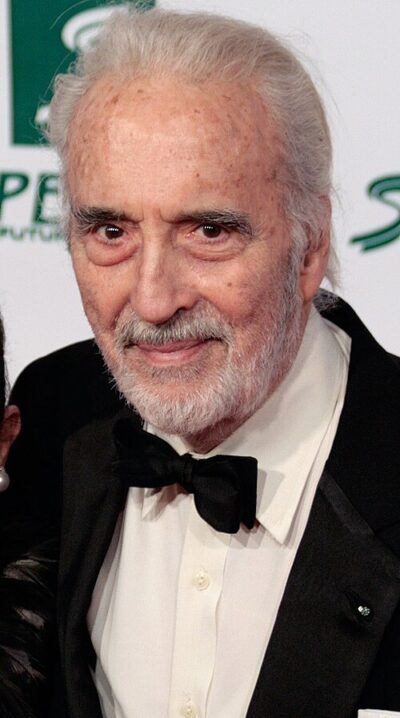 Christopher Lee (1941–1946)English actor and singer (1922–2015)
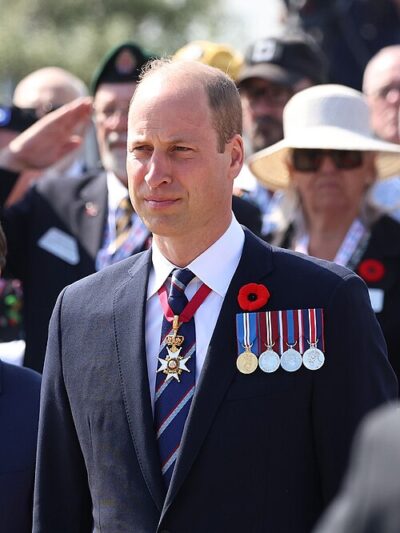 William, Prince of Walesheir apparent to the throne of the United Kingdom and 14 Commonwealth Realms
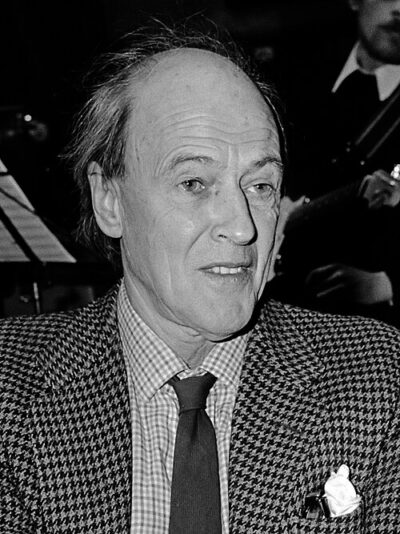 Roald DahlBritish writer and poet (1916–1990)
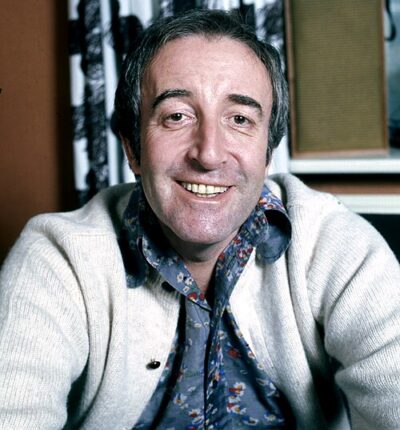 Peter SellersBritish actor and comedian (1925–1980)
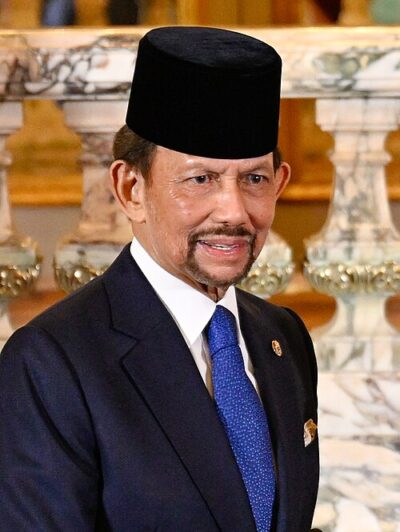 Hassanal Bolkiah I of BruneiSultan of Brunei since 1967
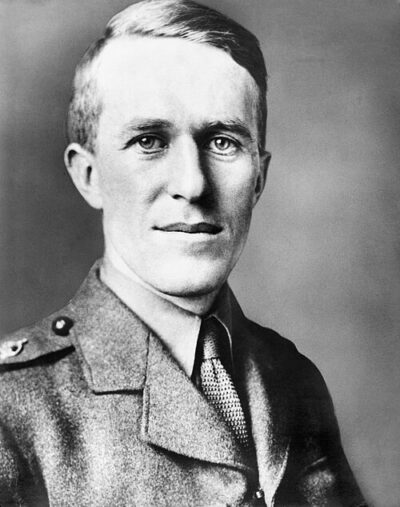 T. E. LawrenceBritish archaeologist, army officer and diplomat (1888–1935)
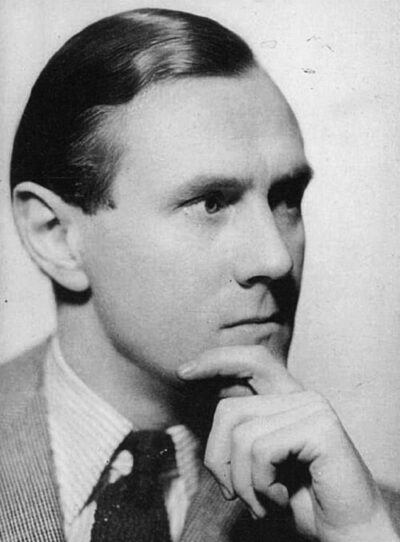 Patrick WhiteEnglish-born Australian writer
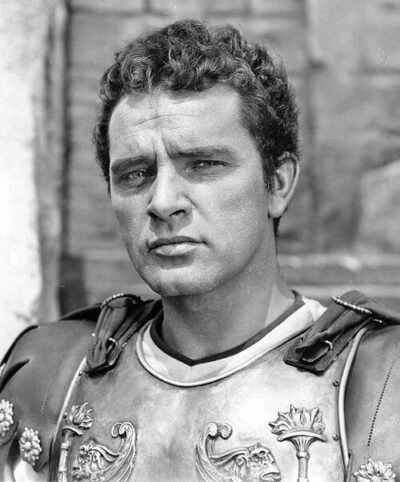 Richard BurtonWelsh actor (1925–1984)
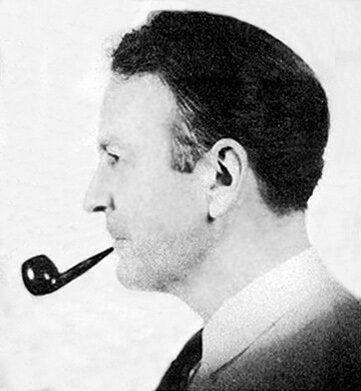 Raymond ChandlerAmerican novelist and screenwriter (1888–1959)
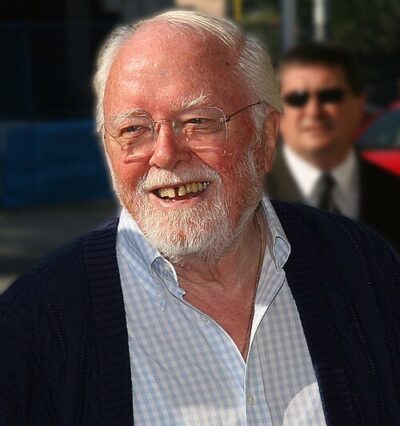 Richard AttenboroughBritish actor (1923–2014)
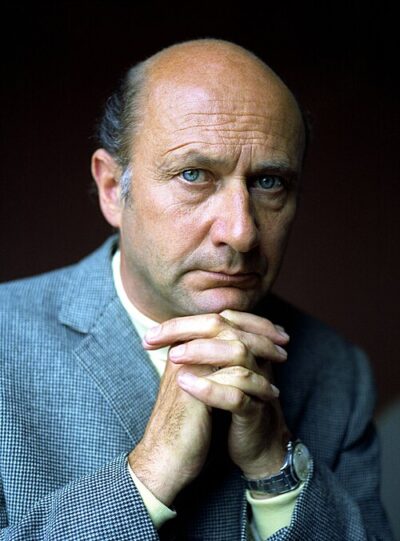 Donald PleasenceBritish actor (1919–1995)
 Stanley MatthewsEnglish association football player (1915-2000)
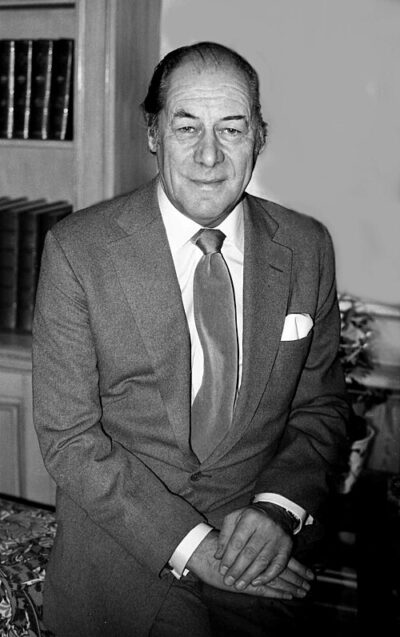 Rex HarrisonBritish actor (1908–1990)
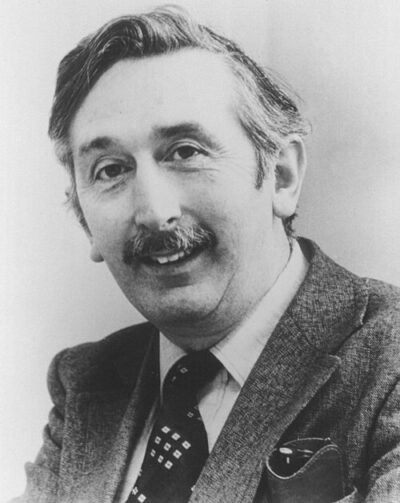 Godfrey HounsfieldEnglish electrical engineer (1919–2004)
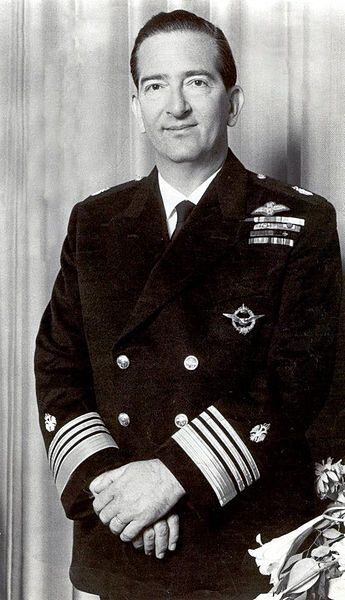 Peter II of Yugoslavialast King of Yugoslavia from 1934 to 1945 (1923-1970)
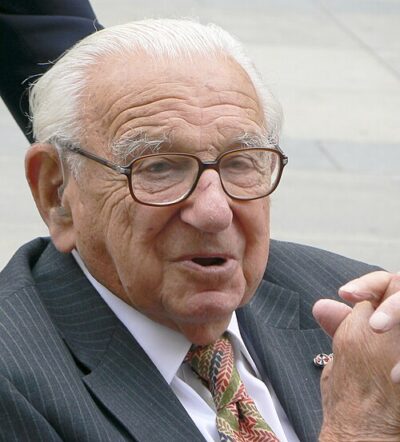 Nicholas Winton (1940–1954)British stockbroker who saved 669 Jewish children during 1938–39 (1909–2015)
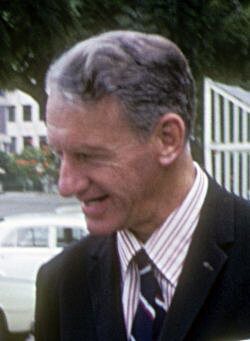 Ian Douglas SmithPrime Minister of Rhodesia (1919–2007)
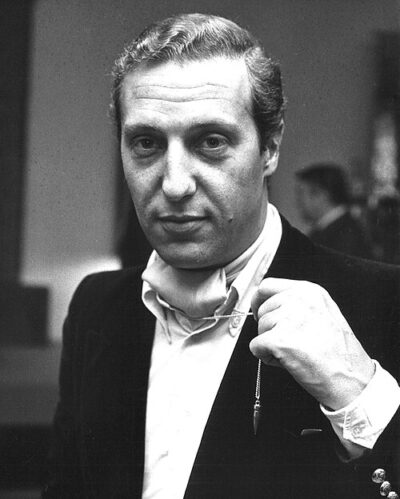 Frederick Forsyth (1956–1958)English novelist (1938–2025)
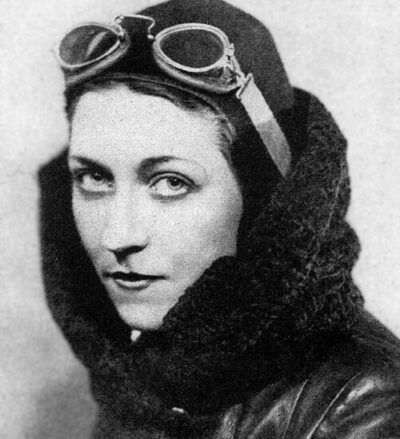 Amy Johnsonpioneering English aviator (1903–1941)
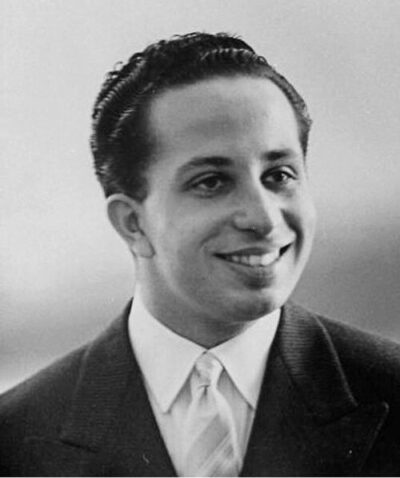 Faisal II of IraqKing of Iraq from 4 April 1939 until 1958
- CChristopher Tolkienliterary scholar, writer, and editor (1924–2020)
and 41 more


