University of Cambridge
The University of Cambridge is a collegiate public research university in Cambridge, England, United Kingdom. It was founded in 1209. 18,977 students study there.
- Located in
- Cambridgeshire
- Country
- United Kingdom
- Founded
- 1209
- Students
- 18,977
- What it is
- collegiate university
All 9 facts, and where they come from
Facts
9 facts · 0 confirmed by two sources · 2 cited · 7 from one source
Where this comes from
Papalocal keeps its own record. It started from these sources; what each one said is kept here as it was copied, so a change on their side never changes this page by itself. Tap one to read its version.
What Wikidata says · copied November 16, 2026 · revision 2565022482
- Described as
- collegiate public research university in Cambridge, England, United Kingdom
- Other names
- Cambridge University, Cambridge, Universitas Cantabrigiensis, The Chancellor, Masters, and Scholars of the University of Cambridge, The University of Cambridge
- What it is
- collegiate university; public research university · 1 reference; educational organization · 1 reference
- Founded
- 1209
- Headquarters
- Cambridge
- Located in
- Cambridgeshire · 1 reference
- Country
- United Kingdom · 2 references
- Students
- 18,977 · 1 reference
- Official website
- https://www.cam.ac.uk/ · 1 reference
- Wikipedias with a page
- 134
Wikidata item Q35794 (wikidata.org/wiki/Q35794), public domain (CC0). Copied 2026-11-16.
What Wikipedia says · copied November 16, 2026 · revision 1383930133
The University of Cambridge is a collegiate public research university in Cambridge, England. Founded in 1209, the University of Cambridge is the second-oldest university in the English-speaking world and the world's third-oldest university in continuous operation. The university's founding followed the arrival of scholars who left the University of Oxford for Cambridge after a dispute with local townspeople. The two ancient English universities, although sometimes described as rivals, share many common features and are often jointly referred to as Oxbridge.
In 1231, 22 years after its founding, the university was recognised with a royal charter, granted by King Henry III. The University of Cambridge includes 31 semi-autonomous constituent colleges and more than 150 academic departments, faculties, and other institutions organised into six schools. The largest department is Cambridge University Press and Assessment, which contains the oldest university press in the world, with £1 billion of annual revenue and with 100 million learners. All of the colleges are self-governing institutions within the university, managing their own personnel and policies, and all students are required to have a college affiliation within the university. Undergraduate teaching at Cambridge is centred on weekly small-group supervisions in the colleges with lectures, seminars, laboratory work, and occasionally further supervision provided by the central university faculties and departments.
The university operates eight cultural and scientific museums, including the Fitzwilliam Museum and Cambridge University Botanic Garden. Cambridge's 116 libraries hold a total of approximately 16 million books, around 9 million of which are in Cambridge University Library, a legal deposit library and one of the world's largest academic libraries.
Among the university's notable alumni are reigning King Charles III, Francis Bacon, Lord Byron, Oliver Cromwell, Charles Darwin, Rosalind Franklin, Rajiv Gandhi, John Harvard, Stephen Hawking, John Maynard Keynes, John Milton, Vladimir Nabokov, Jawaharlal Nehru, Isaac Newton, Salman Rushdie, Bertrand Russell, Alan Turing, Ludwig Wittgenstein, William Wordsworth, 15 British prime ministers including the sitting prime minister Andy Burnham, and 194 Olympic medal-winning athletes. Its alumni, academics, and affiliates have won 126 Nobel Prizes.
From the Wikipedia article “University of Cambridge” (en.wikipedia.org/wiki/University_of_Cambridge), by its contributors, under CC BY-SA 4.0 (creativecommons.org/licenses/by-sa/4.0/). Copied 2026-11-16; not changed.
Confirmed Two sources agree. Cited One source, and it names where it got it. One source One source, without a reference of its own. Sources disagree The sources disagree. We show the best-supported value and keep theirs below.
Picture: Wikimedia Commons: St John's College Second Court, Cambridge, UK - Diliff.jpg · See Commons file page
People connected 247
Studied here 178
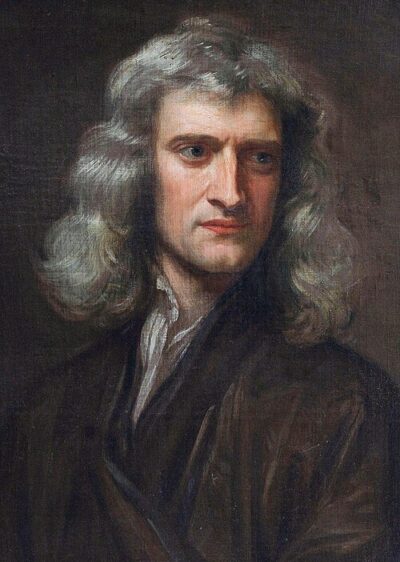 Isaac NewtonEnglish mathematician and physicist (1642–1727)
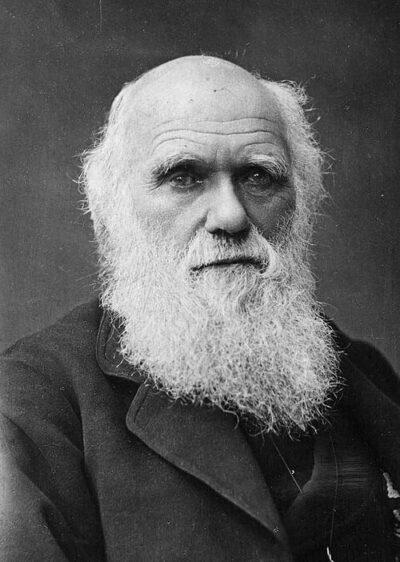 Charles Darwin (1828–)English naturalist and biologist (1809–1882)
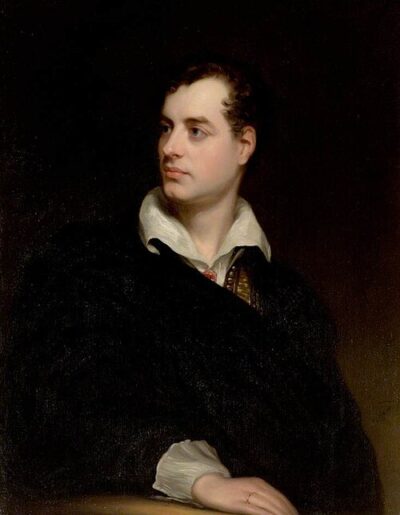 Lord ByronEnglish Romantic poet and lyricist (1788–1824)
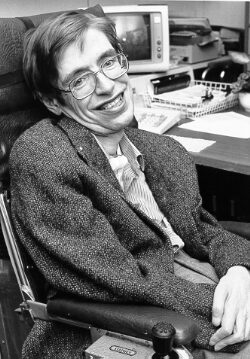 Stephen HawkingBritish theoretical physicist, cosmologist and author (1942–2018)
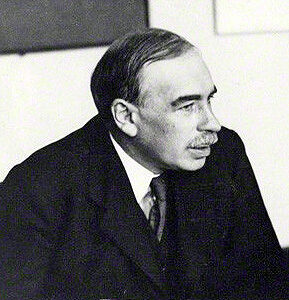 John Maynard KeynesBritish economist (1883–1946)
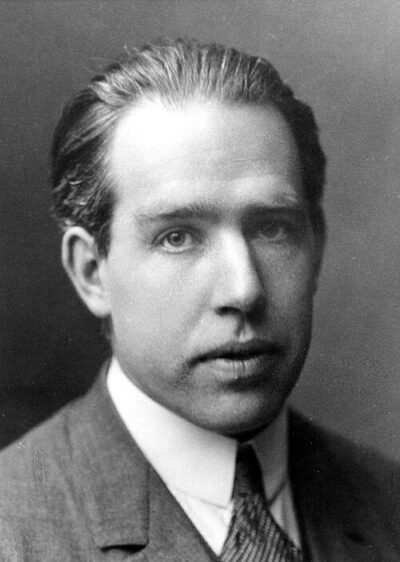 Niels BohrDanish physicist (1885–1962)
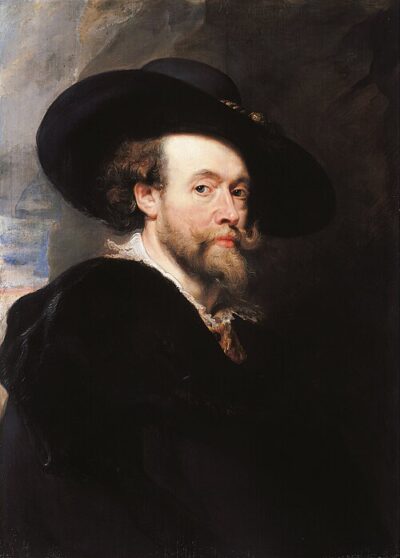 Peter Paul RubensFlemish painter (1577–1640)
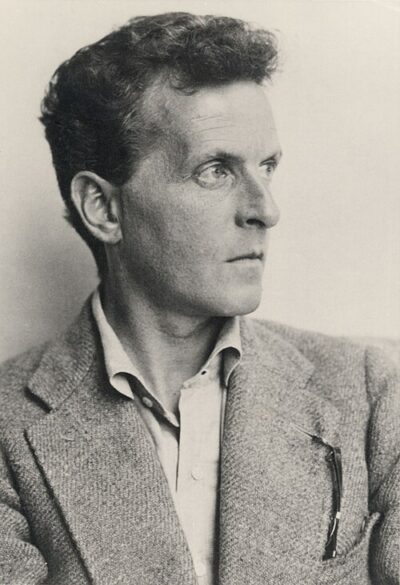 Ludwig WittgensteinAustrian philosopher and logician (1889–1951)
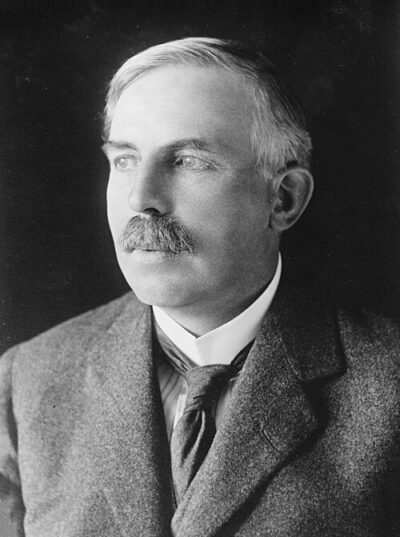 Ernest RutherfordNew Zealand physicist (1871–1937)
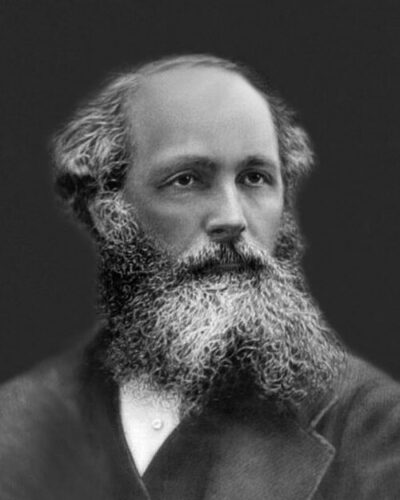 James Clerk MaxwellScottish physicist (1831–1879)
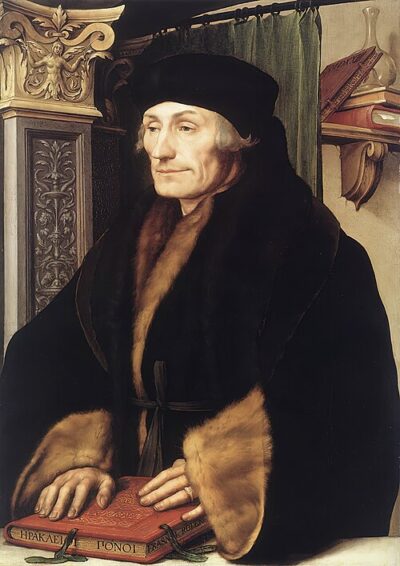 ErasmusDutch Renaissance humanist, Catholic priest, and theologian (1466-1536)
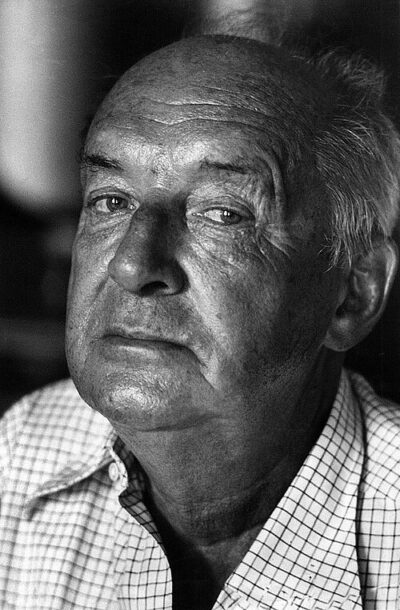 Vladimir NabokovRussian-American novelist, lepidopterist, professor (1899–1977)
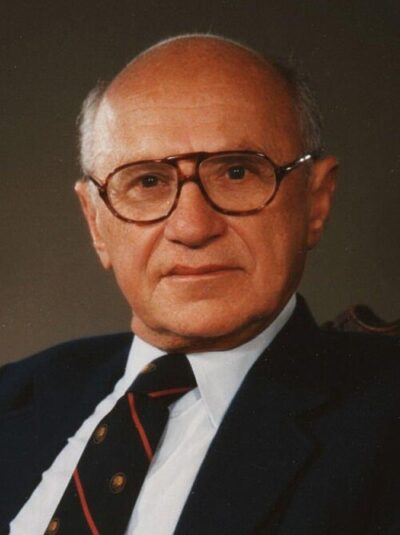 Milton FriedmanAmerican economist and statistician (1912–2006)
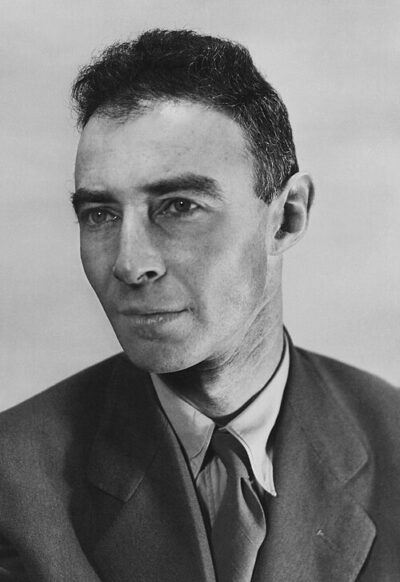 J. Robert OppenheimerAmerican theoretical physicist (1904–1967)
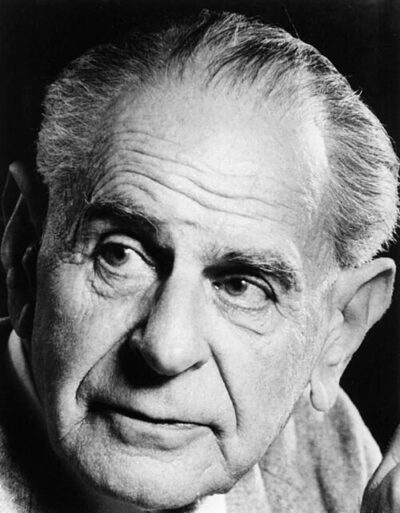 Karl PopperAustrian-British philosopher of science and social and política e falsificationism and for criticism of Plato, Hegel and Marx as totalitarian opponents of open society (1902-1994)
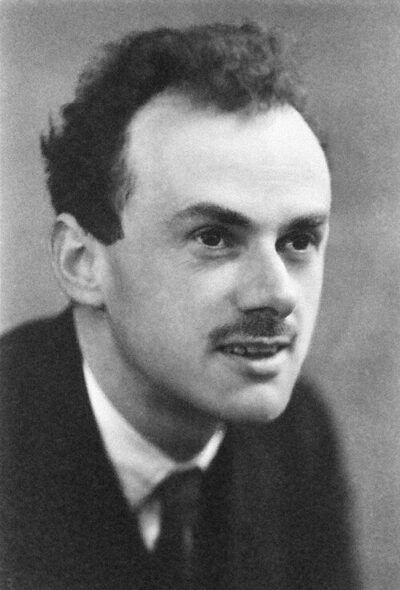 Paul Dirac (1923–1926)British theoretical physicist (1902–1984)
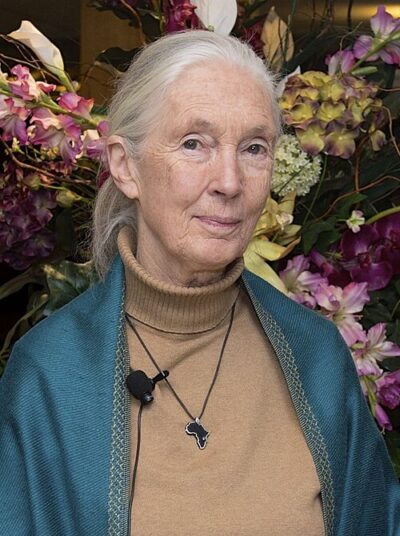 Jane GoodallEnglish primatologist and anthropologist (1934–2025)
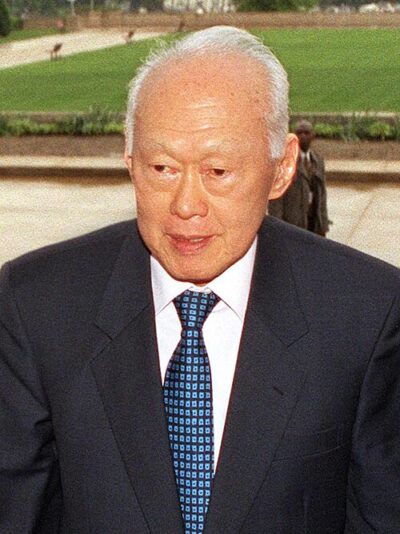 Kuan Yew Lee1st Prime Minister of the Republic of Singapore (1923–2015)
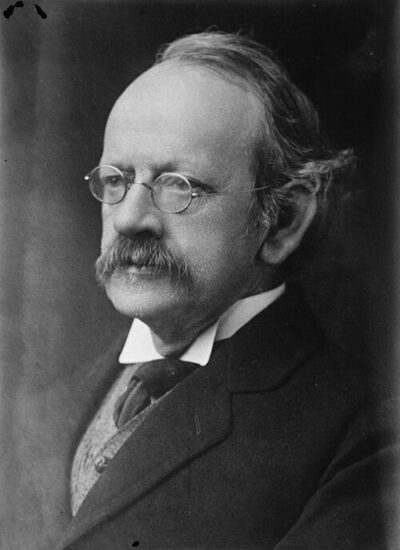 Joseph John ThomsonBritish physicist (1856-1940)
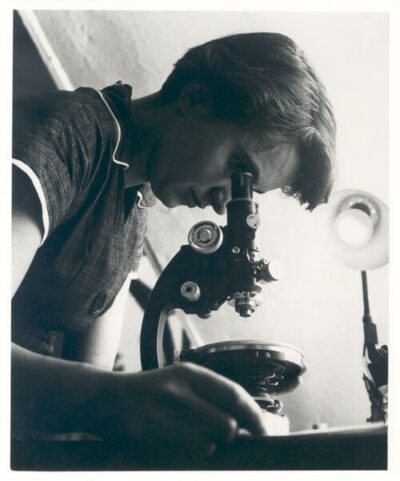 Rosalind Franklin (–1945)British chemist, biophysicist, and X-ray crystallographer (1920–1958)
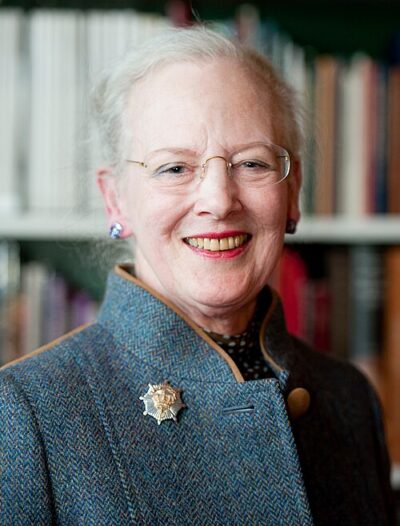 Margrethe II of DenmarkQueen of Denmark from 1972 to 2024 (born 1940)
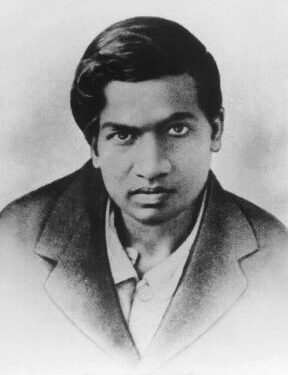 Srinivasa RamanujanIndian mathematician (1887–1920)
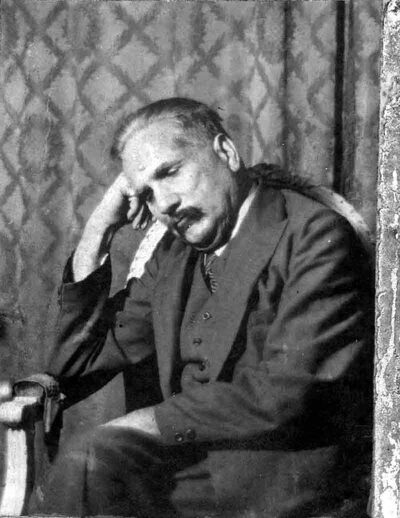 Muhammad Iqbal (1905–1907)British-Indian Islamic philosopher, poet and politician (1877-1938)
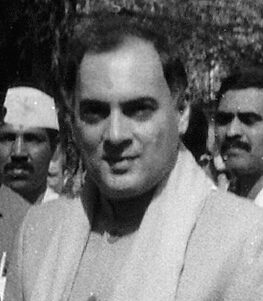 Rajiv GandhiPrime Minister of India (1984-1989)
and 154 more
Worked here 114
- Isaac NewtonEnglish mathematician and physicist (1642–1727)
- Stephen Hawking (–2018)British theoretical physicist, cosmologist and author (1942–2018)
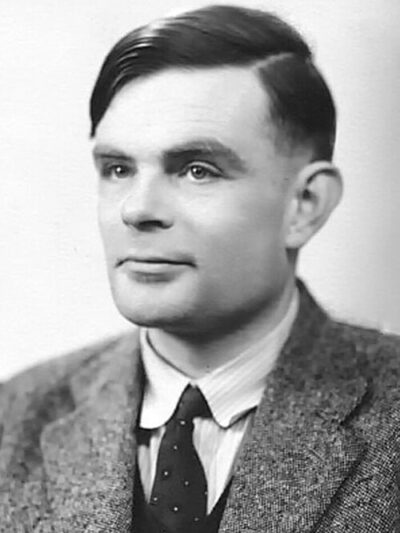 Alan Turing (1934–1937)English computer scientist (1912–1954)
- John Maynard KeynesBritish economist (1883–1946)
- Niels Bohr (1911–1912)Danish physicist (1885–1962)
- Ludwig Wittgenstein (1939–1947)Austrian philosopher and logician (1889–1951)
- James Clerk Maxwell (1871–1879)Scottish physicist (1831–1879)
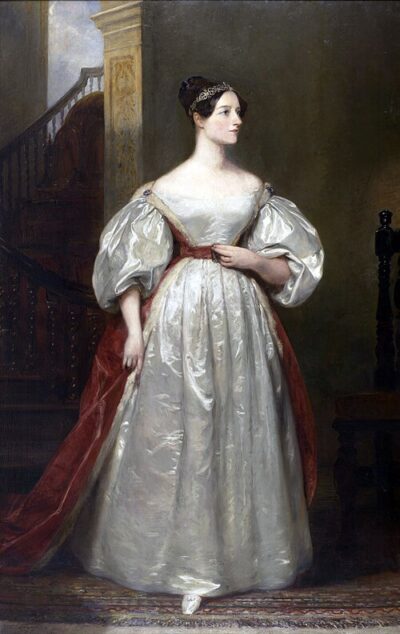 Ada LovelaceEnglish mathematician (1815–1852)
- J. Robert OppenheimerAmerican theoretical physicist (1904–1967)
- Paul Dirac (1932–1969)British theoretical physicist (1902–1984)
- Kuan Yew Lee1st Prime Minister of the Republic of Singapore (1923–2015)
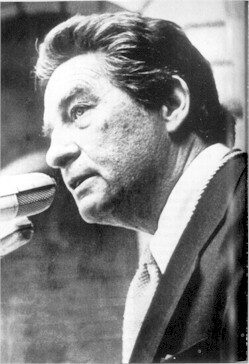 Octavio PazMexican writer, poet an diplomat (1914–1998)
- Joseph John ThomsonBritish physicist (1856-1940)
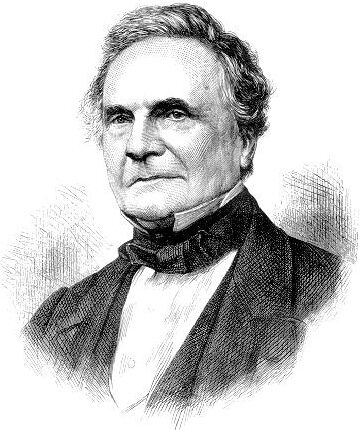 Charles Babbage (1827–1839)English mathematician, philosopher, and engineer (1791–1871)
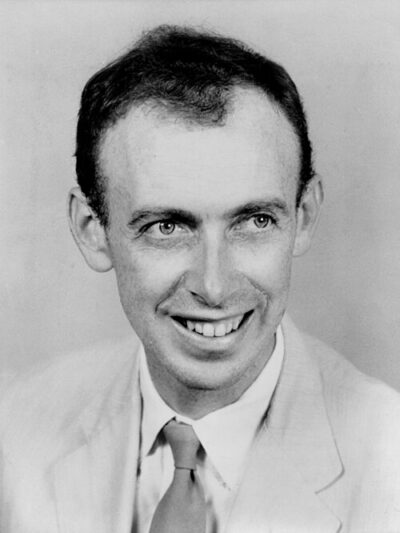 James WatsonAmerican molecular biologist, geneticist, zoologist and Nobel Laureate (1928–2025)
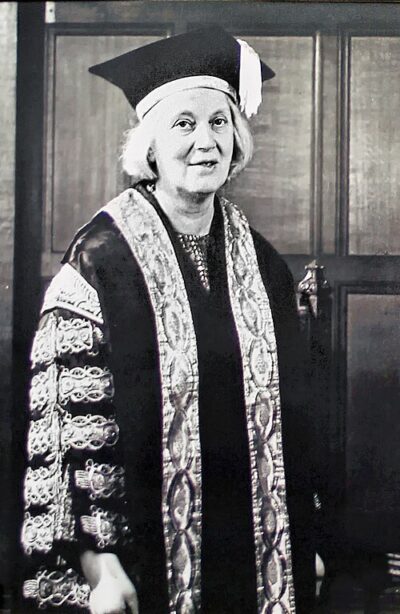 Dorothy HodgkinBritish chemist
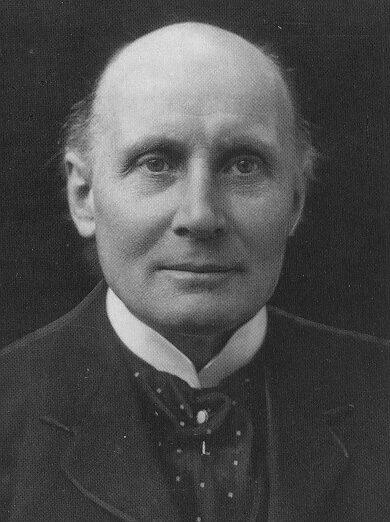 Alfred North Whitehead (1884–1910)English mathematician and philosopher (1861–1947)
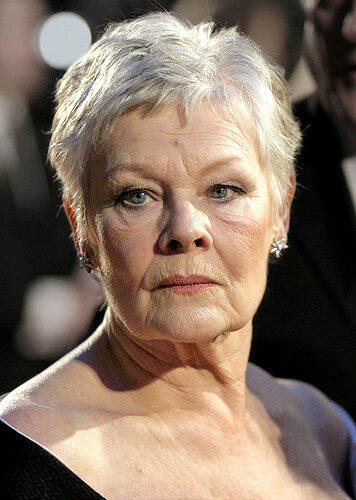 Judi DenchEnglish actress (born 1934)
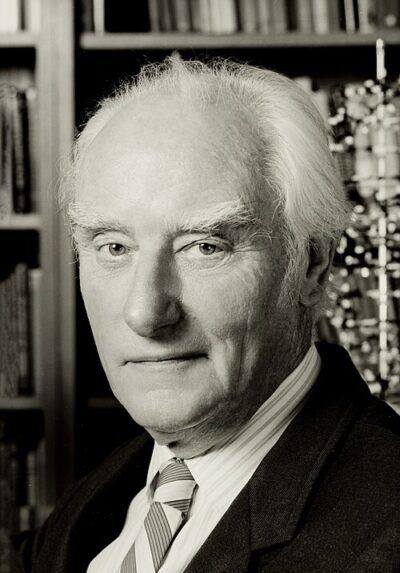 Francis CrickBritish molecular biologist, biophysicist, neuroscientist; co-discoverer of the structure of DNA (1916–2004)
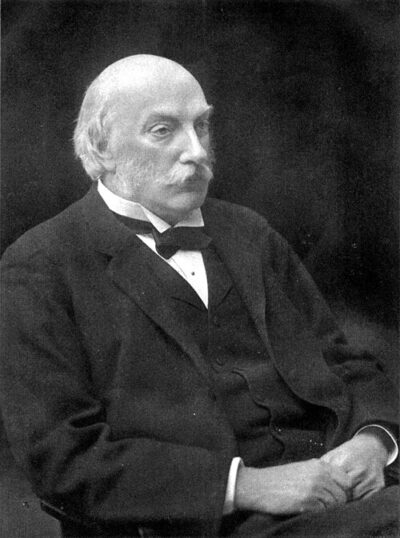 John William Strutt (1879–1884)English physicist (1842–1919)
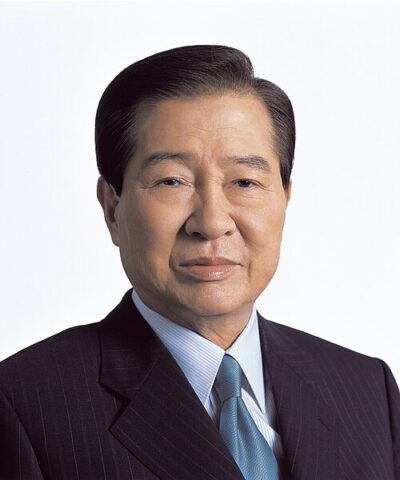 Kim Dae-jung8th President of the Republic of Korea (1924–2009)
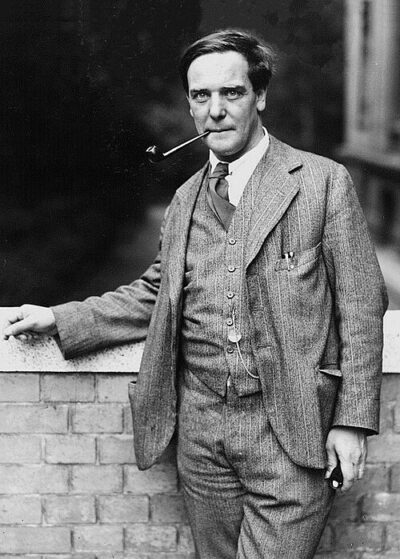 Pyotr KapitsaSoviet physicist
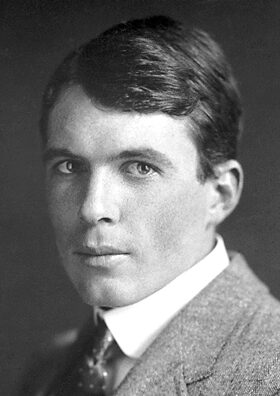 William Lawrence BraggAustralian-born British physicist and X-ray crystallographer
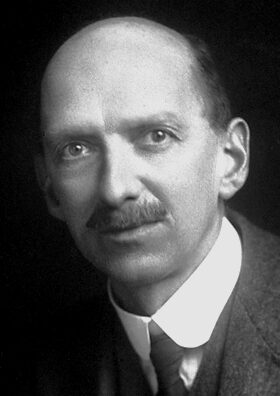 Charles Thomson Rees WilsonScottish physicist and meteorologist (1869-1959)
and 90 more