
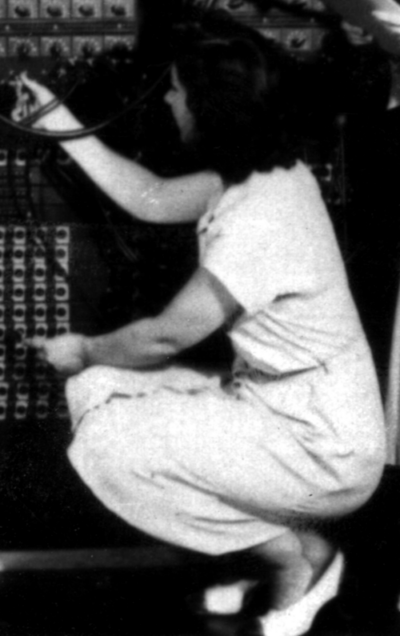
Ruth Teitelbaum
Ruth Teitelbaum was an American computer programmer and mathematician. Born February 1, 1924, in The Bronx. Died August 9, 1986, in Dallas. Known for ENIAC. Educated at Hunter College. Awards include Women in Technology Hall of Fame.
Facts
14 facts · 2 confirmed by two sources · 5 cited · 7 from one source
Where this comes from
Papalocal keeps its own record. It started from these sources; what each one said is kept here as it was copied, so a change on their side never changes this page by itself. Tap one to read its version.
What Wikidata says · copied November 15, 2026 · revision 2568976854
- Described as
- American computer programmer and mathematician
- Other names
- Ruth Lichterman
- Born
- February 1, 1924
- Died
- August 9, 1986 · 1 reference
- Born in
- The Bronx
- Died in
- Dallas · 1 reference
- Name at birth
- Ruth Lichterman
- Citizen of
- United States
- Occupation
- mathematician · 1 reference; engineer; programmer · 1 reference; computer scientist · 1 reference
- Worked for
- University of Pennsylvania
- Education
- Hunter College
- Known for
- ENIAC
- Awards
- Women in Technology Hall of Fame (1997) · 1 reference
- Wikipedias with a page
- 30
Wikidata item Q52559 (wikidata.org/wiki/Q52559), public domain (CC0). Copied November 15, 2026.
What Wikipedia says · copied November 15, 2026 · revision 1372648512
Ruth Teitelbaum (née Lichterman; February 1, 1924 – August 9, 1986) was an American computer programmer and mathematician who was one of the first computer programmers in the world. Teitelbaum was one of the original programmers for the ENIAC computer.
The other five ENIAC programmers were Jean Bartik, Betty Holberton, Kathleen Antonelli, Marlyn Meltzer, and Frances Spence.
- Born, in its opening lines
- February 1, 1924
- Died, in its opening lines
- August 9, 1986
From the Wikipedia article “Ruth Teitelbaum” (en.wikipedia.org/wiki/Ruth_Teitelbaum), by its contributors, under CC BY-SA 4.0 (creativecommons.org/licenses/by-sa/4.0/). Copied November 15, 2026; not changed.
Confirmed Two sources agree. Cited One source, and it names where it got it. One source One source, without a reference of its own. Sources disagree The sources disagree. We show the best-supported value and keep theirs below.
