
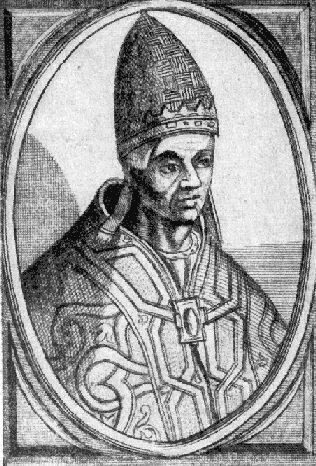
Vitalian
Vitalian was the 7th-century pope. Born January 27, 600, in Segni. Died January 30, 672, in Rome. Positions held include Pope (657–672).
Facts
9 facts · 0 confirmed by two sources · 2 cited · 6 from one source · 1 where the sources disagree
What’s different
- Died: we show January 30, 672 (Sources disagree). Wikipedia says January 27, 672
Where this comes from
Papalocal keeps its own record. It started from these sources; what each one said is kept here as it was copied, so a change on their side never changes this page by itself. Tap one to read its version.
What Wikidata says · copied November 16, 2026 · revision 2567872112
- Described as
- 7th-century pope
- Other names
- Pope Vitalian
- Born
- January 27, 600
- Died
- January 30, 672
- Born in
- Segni · 1 reference
- Died in
- Rome
- Buried in
- St. Peter's Basilica
- Citizen of
- Byzantine Empire
- Occupation
- Catholic priest
- Positions held
- Pope (657–672)
- Religion
- Catholic Church · 1 reference
- Wikipedias with a page
- 75
Wikidata item Q199612 (wikidata.org/wiki/Q199612), public domain (CC0). Copied November 16, 2026.
What Wikipedia says · copied November 16, 2026 · revision 1366130459
Pope Vitalian (Latin: Vitalianus; died 27 January 672) was the bishop of Rome from 30 July 657 to his death in 672. His pontificate was marked by the dispute between the papacy and the imperial government in Constantinople over Monothelitism, which Rome condemned. Vitalian tried to resolve the dispute and had a conciliatory relationship with Emperor Constans II, who visited him in Rome and gave him gifts. Vitalian's pontificate also saw the secession of the Archbishopric of Ravenna from the papal authority.
- Died, in its opening lines
- January 27, 672
From the Wikipedia article “Pope Vitalian” (en.wikipedia.org/wiki/Pope_Vitalian), by its contributors, under CC BY-SA 4.0 (creativecommons.org/licenses/by-sa/4.0/). Copied November 16, 2026; not changed.
Confirmed Two sources agree. Cited One source, and it names where it got it. One source One source, without a reference of its own. Sources disagree The sources disagree. We show the best-supported value and keep theirs below.
