
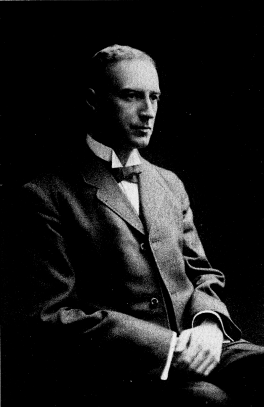
Wallace Clement Sabine
Wallace Clement Sabine was an American physicist. Born June 13, 1868, in Richwood. Died January 10, 1919, in Boston. Educated at Harvard University and Ohio State University. Awards include National Inventors Hall of Fame.
Facts
15 facts · 2 confirmed by two sources · 2 cited · 11 from one source
Where this comes from
Papalocal keeps its own record. It started from these sources; what each one said is kept here as it was copied, so a change on their side never changes this page by itself. Tap one to read its version.
What Wikidata says · copied November 16, 2026 · revision 2565303701
- Described as
- American physicist (1868-1919)
- Other names
- Wallace Clement Sabire
- Born
- June 13, 1868 · 3 references
- Died
- January 10, 1919 · 3 references
- Born in
- Richwood · 1 reference
- Died in
- Boston · 1 reference
- Citizen of
- United States
- Occupation
- physicist · 1 reference; university teacher; architectural acoustician
- Worked for
- Harvard Business School
- Education
- Harvard University; Ohio State University
- Member of
- American Academy of Arts and Sciences; National Academy of Sciences
- Awards
- National Inventors Hall of Fame (2011) · 1 reference
- Field
- acoustics · 1 reference
- Wikipedias with a page
- 20
Wikidata item Q709821 (wikidata.org/wiki/Q709821), public domain (CC0). Copied November 16, 2026.
What Wikipedia says · copied November 16, 2026 · revision 1380628567
Wallace Clement Sabine (June 13, 1868 – January 10, 1919) was an American physicist who founded the field of architectural acoustics. Sabine was the architectural acoustician of Boston's Symphony Hall, widely considered one of the two or three best concert halls in the world for its acoustics.
- Born, in its opening lines
- June 13, 1868
- Died, in its opening lines
- January 10, 1919
From the Wikipedia article “Wallace Clement Sabine” (en.wikipedia.org/wiki/Wallace_Clement_Sabine), by its contributors, under CC BY-SA 4.0 (creativecommons.org/licenses/by-sa/4.0/). Copied November 16, 2026; not changed.
Confirmed Two sources agree. Cited One source, and it names where it got it. One source One source, without a reference of its own. Sources disagree The sources disagree. We show the best-supported value and keep theirs below.
