

National Academy of Sciences
The National Academy of Sciences is a science branch of the United States National Academies. It was founded in 1863. Its headquarters are in the National Academy of Sciences building.
- Founded
- March 3, 1863
- Headquarters
- National Academy of Sciences building
- Country
- United States
All 11 facts, and where they come from
Facts
11 facts · 0 confirmed by two sources · 1 cited · 10 from one source
Where this comes from
Papalocal keeps its own record. It started from these sources; what each one said is kept here as it was copied, so a change on their side never changes this page by itself. Tap one to read its version.
What Wikidata says · copied November 16, 2026 · revision 2562983612
- Described as
- science branch of the United States National Academies
- Other names
- United States National Academy of Sciences, US National Academy of Sciences, USNAS, NAS, National Academy of Sciences of the USA, The National Academy of Sciences, U.S. National Academy of Sciences
- What it is
- academy of sciences; publishing house; academic publisher
- Founded
- March 3, 1863
- Headquarters
- National Academy of Sciences building
- Located in
- Washington, D.C.
- Country
- United States · 1 reference
- Chair
- Neil H. Shubin (2026–)
- Part of
- National Research Council · 1 reference; National Academies of Sciences, Engineering, and Medicine
- Official website
- http://www.nasonline.org/
- Wikipedias with a page
- 55
Wikidata item Q270794 (wikidata.org/wiki/Q270794), public domain (CC0). Copied 2026-11-16.
What Wikipedia says · copied November 16, 2026 · revision 1385533065
The National Academy of Sciences (NAS) is an American nonprofit, non-governmental organization. NAS is part of the National Academies of Sciences, Engineering, and Medicine, along with the National Academy of Engineering (NAE) and the National Academy of Medicine (NAM).
As a national academy, new members of the organization are elected annually by current members, based on their distinguished and continuing achievements in original research. Election to the National Academy is one of the highest honors in the scientific field in the United States. Members of the National Academy of Sciences serve pro bono as "advisers to the nation" on science, engineering, and medicine. The group holds a congressional charter under Title 36 of the United States Code.
Congress legislated and President Abraham Lincoln signed an Act of Congress (1863) establishing the National Academy of Sciences as an independent, trusted nongovernmental institution, created for the purpose of "providing independent, objective advice to the nation on matters related to science and technology [and] to provide scientific advice to the government 'whenever called upon' by any government department." This objective gave the academy the purpose of enriching and providing resources to any part of the federal government—rather than serving a single branch or executive agency, in contrast to the Library of Congress or many entities that report to the president. The goal was somewhat unusual at the time, and also different from other knowledge-based entities serving a branch of government, such as the Library of Congress. The academy receives no compensation from the government for its services.
From the Wikipedia article “National Academy of Sciences” (en.wikipedia.org/wiki/National_Academy_of_Sciences), by its contributors, under CC BY-SA 4.0 (creativecommons.org/licenses/by-sa/4.0/). Copied 2026-11-16; not changed.
Confirmed Two sources agree. Cited One source, and it names where it got it. One source One source, without a reference of its own. Sources disagree The sources disagree. We show the best-supported value and keep theirs below.
Picture: Wikimedia Commons: NationalAcademySciences 07110011.jpg · See Commons file page
People connected 600
Members 600
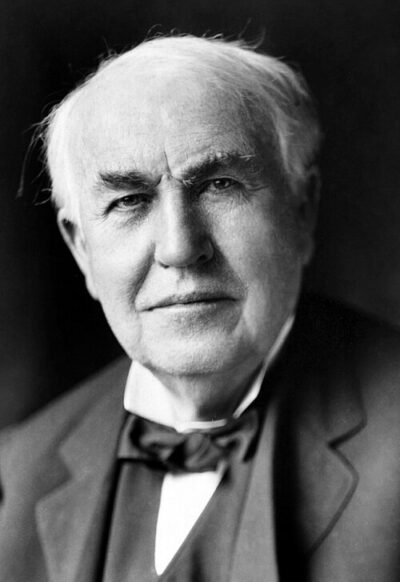 Thomas Edison (1927–)American inventor and businessman (1847–1931)
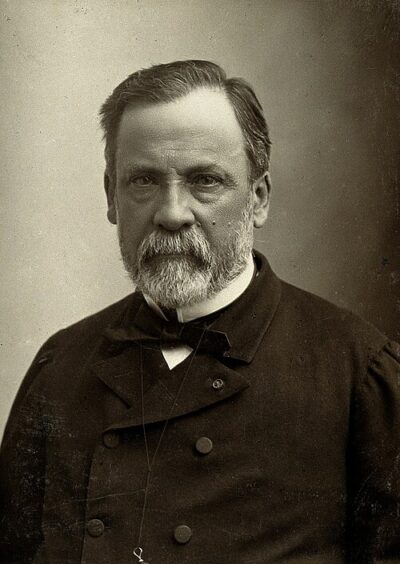 Louis Pasteur (1883–)French chemist and microbiologist (1822–1895)
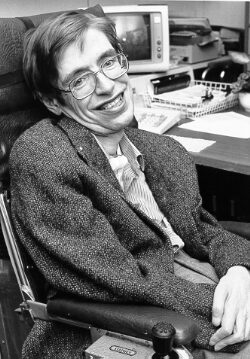 Stephen Hawking (1992–)British theoretical physicist, cosmologist and author (1942–2018)
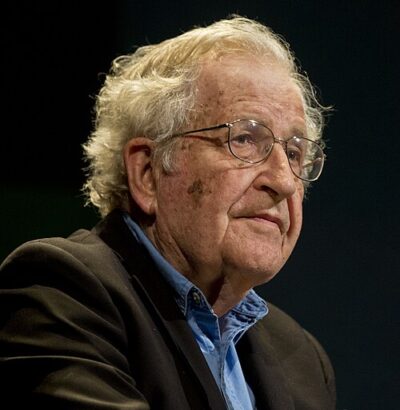 Noam Chomsky (1972–)American linguist and activist (born 1928)
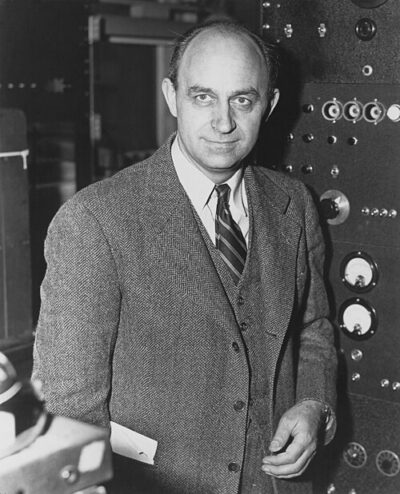 Enrico Fermi (1945–)Italian-American physicist (1901–1954)
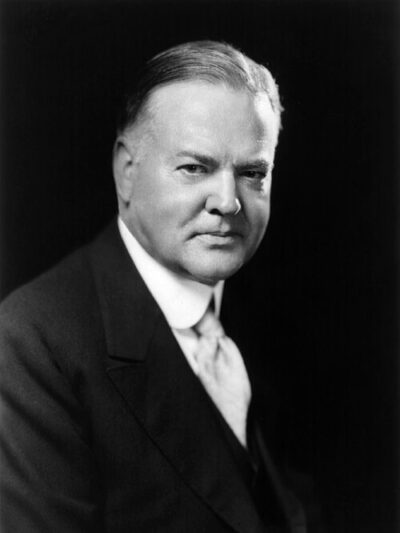 Herbert Hooverpresident of the United States from 1929 to 1933 (1874–1964)
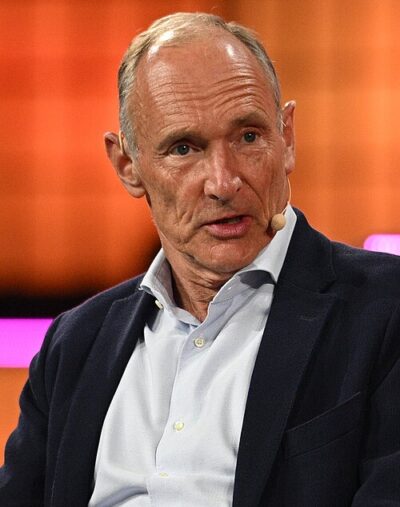 Tim Berners-Lee (2009–)English computer scientist (born 1955)
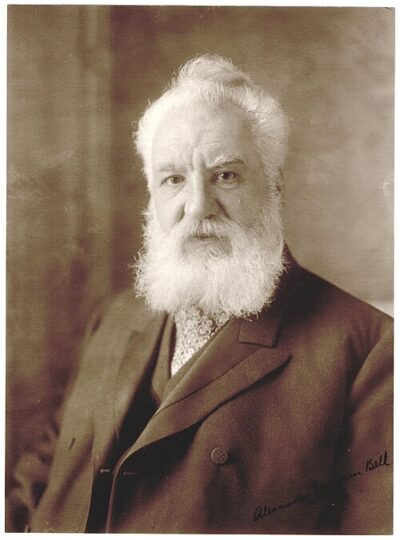 Alexander Graham Bell (1883–)Canadian-American scientist inventor of telephone (1847–1922)
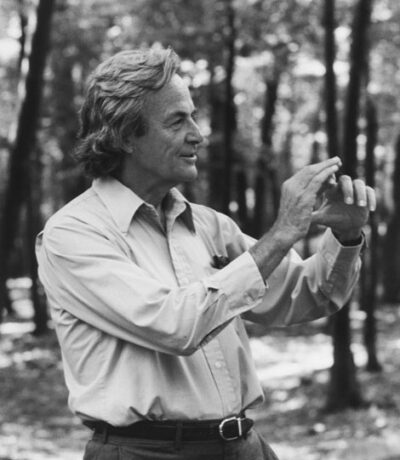 Richard Feynman (1954–)American theoretical physicist (1918–1988)
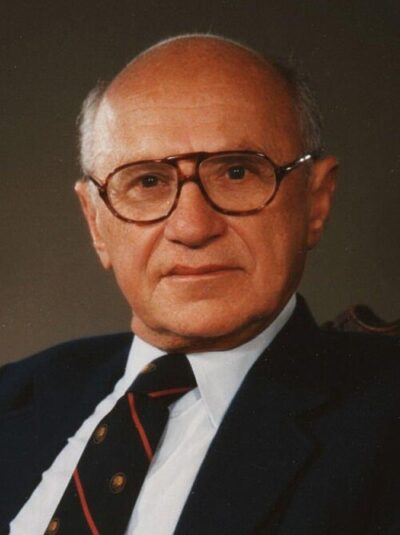 Milton FriedmanAmerican economist and statistician (1912–2006)
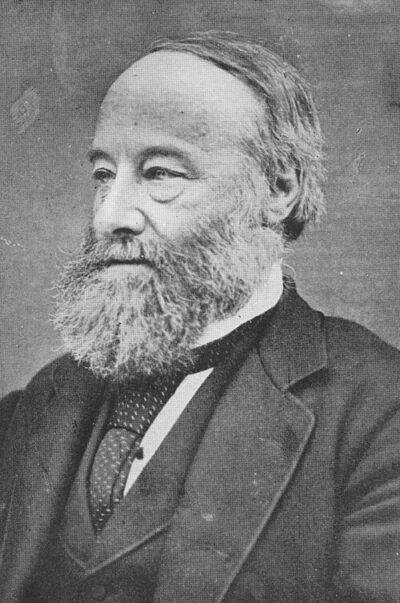 James Prescott Joule (1887–)English physicist and brewer (1818–1889)
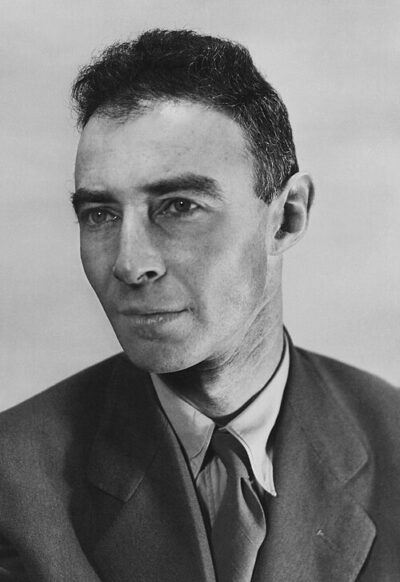 J. Robert OppenheimerAmerican theoretical physicist (1904–1967)
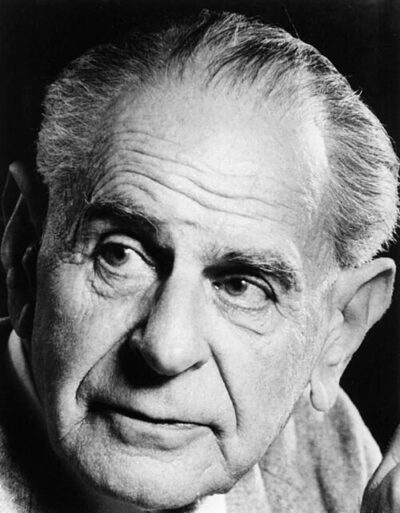 Karl Popper (1986–)Austrian-British philosopher of science and social and política e falsificationism and for criticism of Plato, Hegel and Marx as totalitarian opponents of open society (1902-1994)
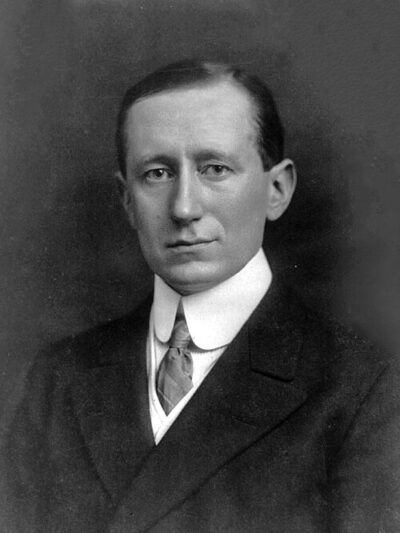 Guglielmo Marconi (1932–)Italian inventor and radio pioneer (1874–1937)
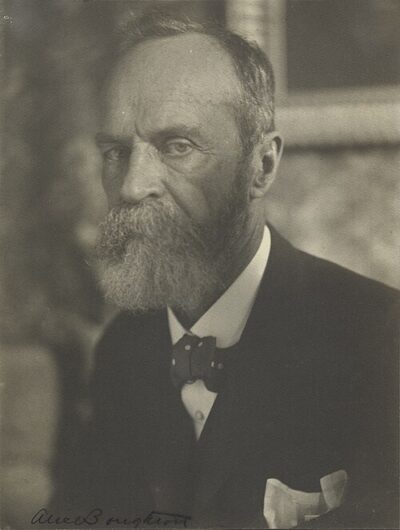 William JamesAmerican philosopher, psychologist, and pragmatist (1842–1910)
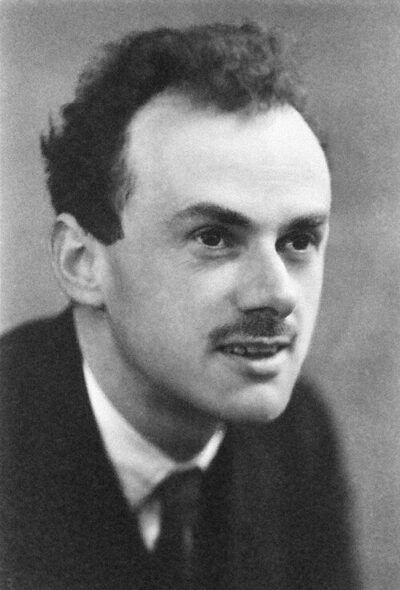 Paul Dirac (1949–)British theoretical physicist (1902–1984)
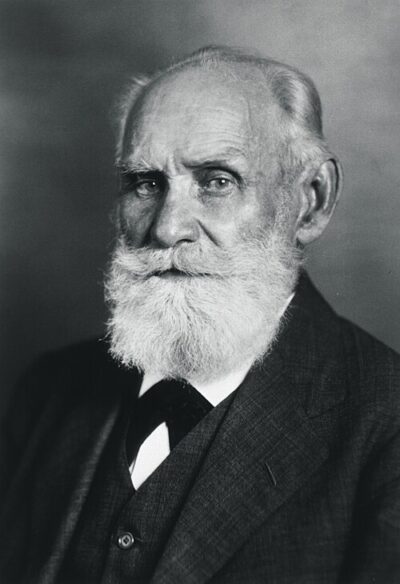 Ivan Pavlov (1908–)Russian physiologist (1849–1936)
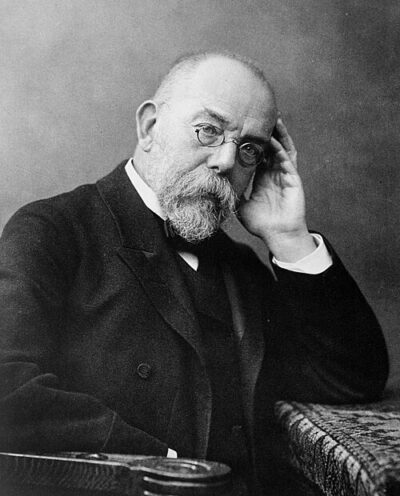 Robert Koch (1903–)German physician, bacteriologist (1843–1910)
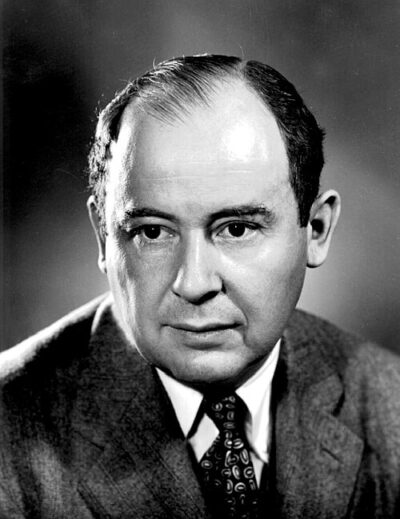 John von Neumann (1937–)Hungarian and American mathematician and physicist (1903–1957)
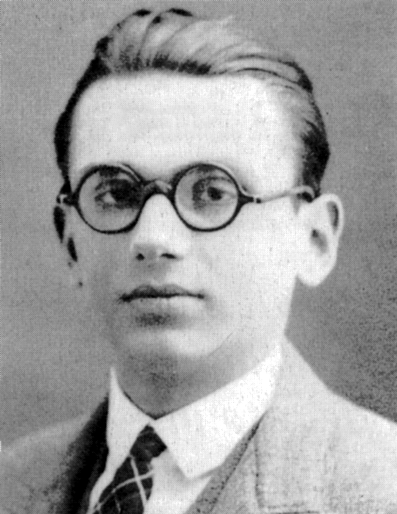 Kurt GödelAustrian-American logician, mathematician, and philosopher of mathematics (1906–1978)
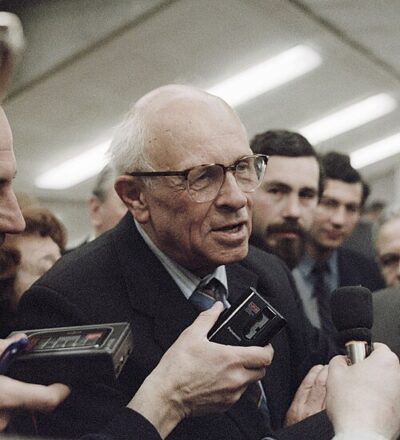 Andrei Sakharov (1973–)Soviet nuclear physicist and human rights activist (1921–1989)
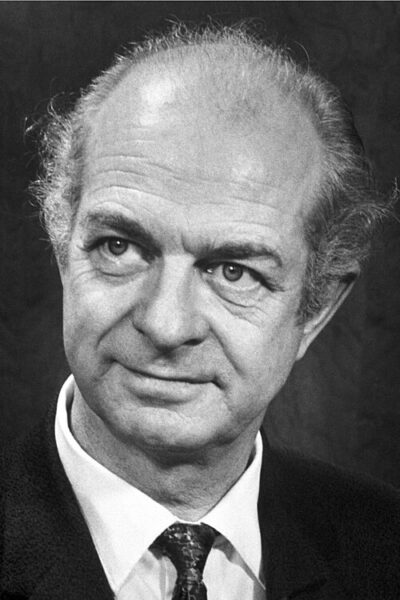 Linus Pauling (1933–)American scientist (1901–1994)
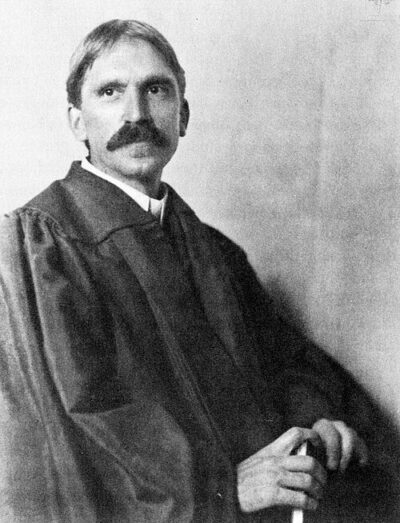 John Dewey (1910–)American philosopher, psychologist, and educational reformer (1859–1952)
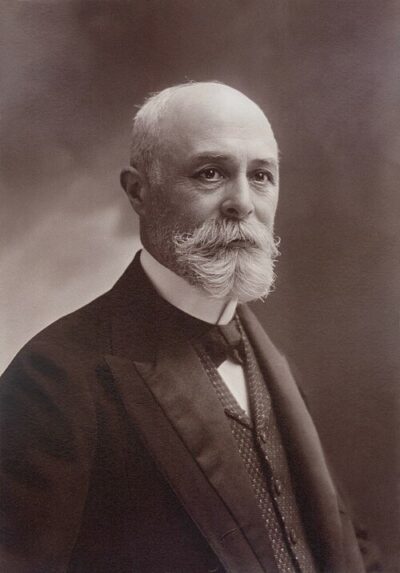 Antoine Henri Becquerel (1905–)French physicist (1852–1908)
and 576 more
