
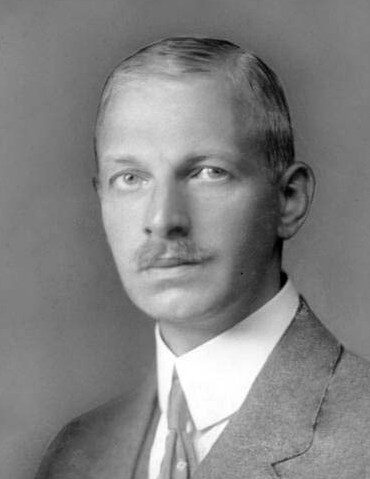
Wilhelm Cuno
Wilhelm Cuno was a German chancellor. Born July 2, 1876, in Suhl. Died January 3, 1933, in Aumühle. Positions held include Reich Chancellor in the Weimar Republic (1922–1923) and Chancellor of Germany (1922–1923). Educated at Humboldt-Universität zu Berlin and Heidelberg University.
Facts
17 facts · 2 confirmed by two sources · 4 cited · 11 from one source
Where this comes from
Papalocal keeps its own record. It started from these sources; what each one said is kept here as it was copied, so a change on their side never changes this page by itself. Tap one to read its version.
What Wikidata says · copied November 16, 2026 · revision 2568909577
- Described as
- German chancellor (1876-1933)
- Other names
- Wilhelm Carl Josef Cuno, Carl Josef Wilhelm Cuno
- Born
- July 2, 1876 · 7 references
- Died
- January 3, 1933 · 7 references
- Born in
- Suhl · 3 references
- Died in
- Aumühle · 2 references
- Buried in
- Ohlsdorf Cemetery
- Name at birth
- Wilhelm Carl Josef Cuno
- Citizen of
- Germany
- Occupation
- politician · 1 reference; jurist · 1 reference
- Positions held
- Reich Chancellor in the Weimar Republic (1922–1923); Chancellor of Germany (1922–1923)
- Education
- Humboldt-Universität zu Berlin; Heidelberg University; Gymnasium Theodorianum
- Member of
- KDStV Arminia Heidelberg; KDStV Winfridia · 1 reference
- Spouse
- Martha Berta Wirtz
- Wikipedias with a page
- 48
Wikidata item Q77179 (wikidata.org/wiki/Q77179), public domain (CC0). Copied November 16, 2026.
What Wikipedia says · copied November 16, 2026 · revision 1359238227
Wilhelm Carl Josef Cuno (2 July 1876 – 3 January 1933) was a German businessman and politician who was the chancellor of Germany from 1922 to 1923 for a total of 264 days. His tenure included the beginning of the occupation of the Ruhr by French and Belgian troops and the period in which inflation in Germany accelerated towards hyperinflation.
After beginning his career in the civil service, Cuno helped organize Germany's food supply during the early years of World War I before he went to work for the Hamburg America shipping company in 1917. Because of his economic expertise, he was involved in a number of important post-war negotiations with the victorious Allies. When he was appointed chancellor of Germany in November 1922, he formed a "business ministry" made up primarily of men who were, like himself, political independents. His plans to handle the war reparations issue and stabilise the currency were derailed by the French and Belgian occupation of the Ruhr in January 1923. Cuno instituted a policy of passive resistance and provided financial assistance to the workers and firms affected by it. The payments, made possible primarily by printing money, began the runup to the German hyperinflation of 1923.
After his government resigned in August 1923, Cuno returned to the Hamburg America Line.
- Born, in its opening lines
- July 2, 1876
- Died, in its opening lines
- January 3, 1933
From the Wikipedia article “Wilhelm Cuno” (en.wikipedia.org/wiki/Wilhelm_Cuno), by its contributors, under CC BY-SA 4.0 (creativecommons.org/licenses/by-sa/4.0/). Copied November 16, 2026; not changed.
Confirmed Two sources agree. Cited One source, and it names where it got it. One source One source, without a reference of its own. Sources disagree The sources disagree. We show the best-supported value and keep theirs below.
