

Heidelberg University
Heidelberg University is a public research university in Heidelberg, Baden-Württemberg, Germany. It was founded in 1386 by Rupert I, Elector Palatine. 1,107 students study there (2021).
- Located in
- Heidelberg
- Country
- Germany
- Founded
- 1386
- Students
- 1,107 (2021)
- What it is
- public research university
All 12 facts, and where they come from
Facts
12 facts · 0 confirmed by two sources · 4 cited · 8 from one source
Where this comes from
Papalocal keeps its own record. It started from these sources; what each one said is kept here as it was copied, so a change on their side never changes this page by itself. Tap one to read its version.
What Wikidata says · copied November 16, 2026 · revision 2558395542
- Described as
- public research university in Heidelberg, Baden-Württemberg, Germany
- Other names
- Ruprecht-Karls-Universität Heidelberg, University of Heidelberg
- What it is
- public research university · 1 reference; campus; open-access publisher · 1 reference
- Founded
- 1386
- Founded by
- Rupert I, Elector Palatine
- Headquarters
- Heidelberg · 1 reference
- Located in
- Heidelberg
- Country
- Germany · 1 reference
- Students
- 30,787 (2016) · 1 reference
- Named after
- Rupert I, Elector Palatine; Charles Frederick, Grand Duke of Baden
- Official website
- https://www.uni-heidelberg.de/ · 1 reference
- Wikipedias with a page
- 85
Wikidata item Q151510 (wikidata.org/wiki/Q151510), public domain (CC0). Copied 2026-11-16.
What Wikipedia says · copied November 16, 2026 · revision 1380695320
Heidelberg University, officially the Ruprecht Karl University of Heidelberg (German: Ruprecht-Karls-Universität Heidelberg; Latin: Universitas Ruperto Carola Heidelbergensis), is a public research university in Heidelberg, Baden-Württemberg, Germany. Founded in 1386 on instruction of Pope Urban VI, Heidelberg is Germany's oldest university and one of the world's oldest surviving universities; it was the third university established in the Holy Roman Empire after Prague (1347) and Vienna (1365). Since 1899, it has been a coeducational institution.
Heidelberg is one of the most prestigious universities in Europe. It is a German Excellence University, part of the U15, as well as a founding member of the League of European Research Universities and the Coimbra Group. The university consists of twelve faculties and offers degree programmes at undergraduate, graduate and postdoctoral levels in some 100 disciplines. The language of instruction is usually German; however, a considerable number of graduate degrees are offered in English as well as some in French.
As of 2021, 57 Nobel Prize winners have been affiliated with the city of Heidelberg and 33 with the university itself. Modern scientific psychiatry, psychopharmacology, experimental psychology, psychiatric genetics, mathematical statistics, environmental physics, and modern sociology were introduced as scientific disciplines by Heidelberg students or faculty. Approximately 1,000 doctorates are completed every year, with more than one third of the doctoral students coming from abroad. International students from some 130 countries account for more than 20 percent of the entire student body.
From the Wikipedia article “Heidelberg University” (en.wikipedia.org/wiki/Heidelberg_University), by its contributors, under CC BY-SA 4.0 (creativecommons.org/licenses/by-sa/4.0/). Copied 2026-11-16; not changed.
Confirmed Two sources agree. Cited One source, and it names where it got it. One source One source, without a reference of its own. Sources disagree The sources disagree. We show the best-supported value and keep theirs below.
Picture: Wikimedia Commons: Friedrichsbau Heidelberg Altstadt Bunsen Statue.JPG · See Commons file page
People connected 109
Studied here 87
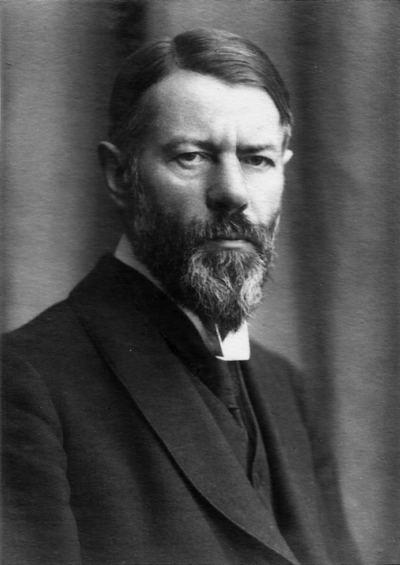 Max WeberGerman sociologist, philosopher, and political economist (1864–1920)
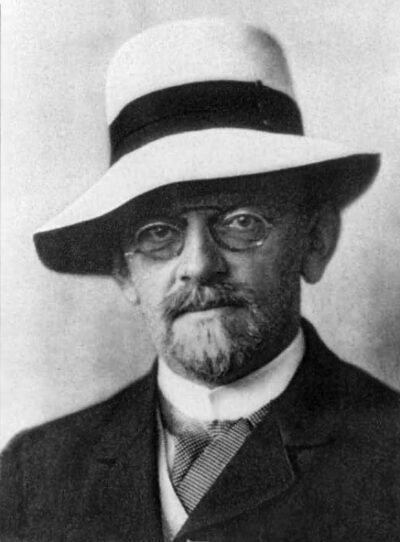 David Hilbert (1881)German mathematician (1862–1943)
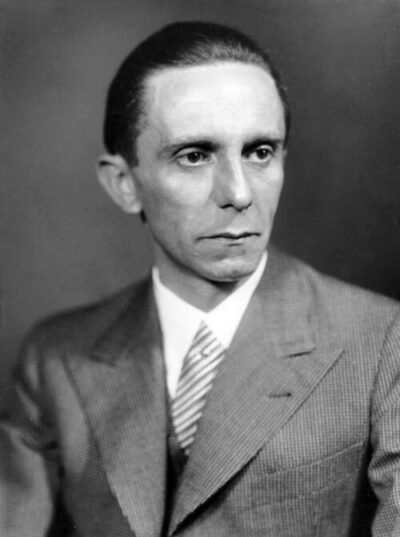 Joseph GoebbelsNazi politician and Propaganda Minister (1897–1945)
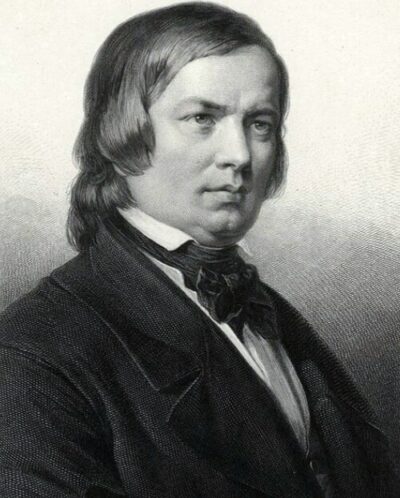 Robert SchumannGerman composer, pianist and critic (1810–1856)
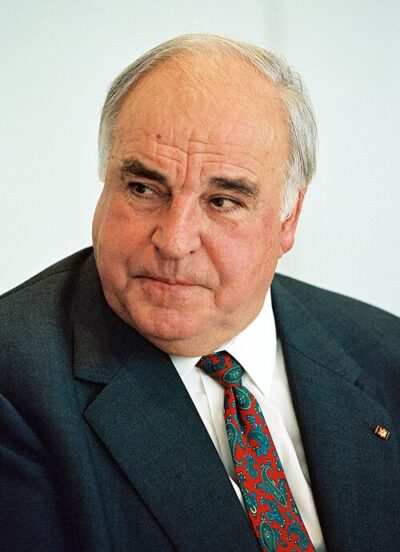 Helmut KohlChancellor of West Germany and reunified Germany (1982–1998)
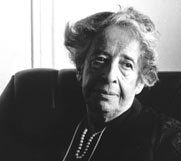 Hannah Arendt (–1928)German-American political theorist and philosopher (1906–1975)
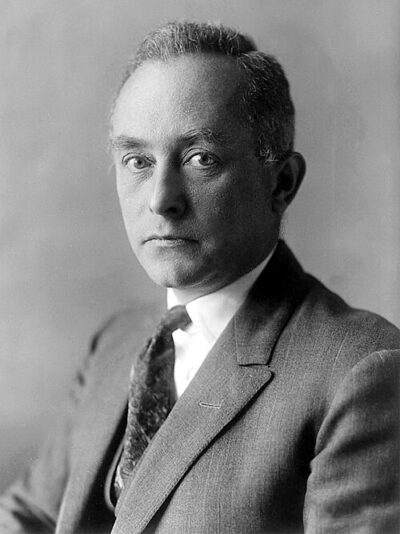 Max Born (1902)German-Jewish physicist and mathematician (1882–1970)
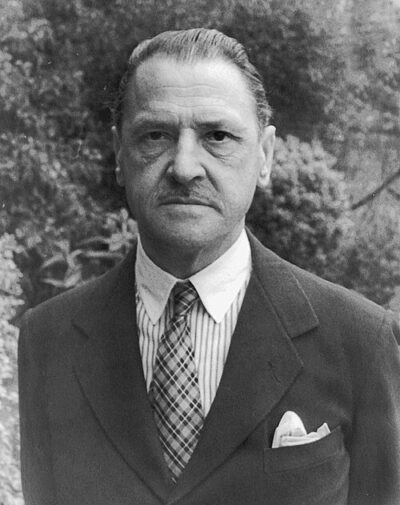 William Somerset MaughamEnglish playwright and author (1874–1965)
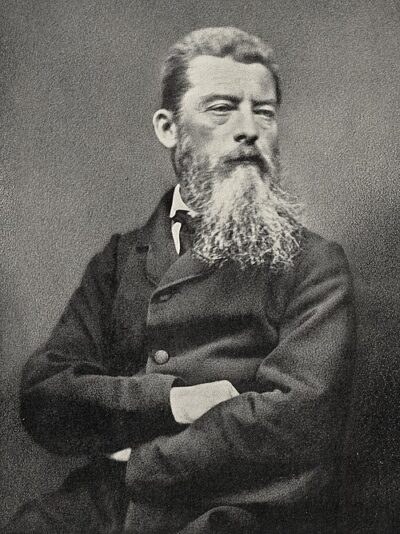 Ludwig Feuerbach (1823–1824)German philosopher and anthropologist (1804–1872)
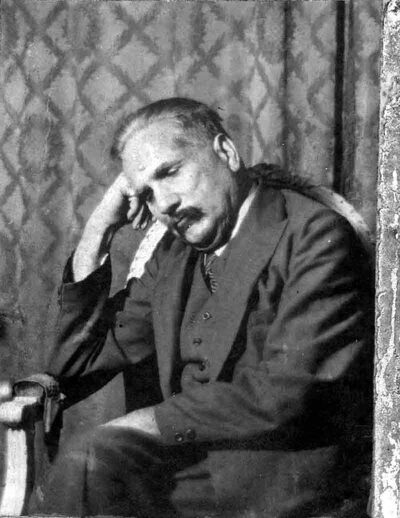 Muhammad IqbalBritish-Indian Islamic philosopher, poet and politician (1877-1938)
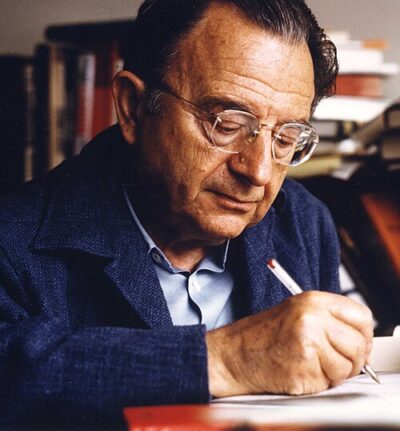 Erick Fromm (–1922)German-American sociologist and psychoanalyst (1900–1980)
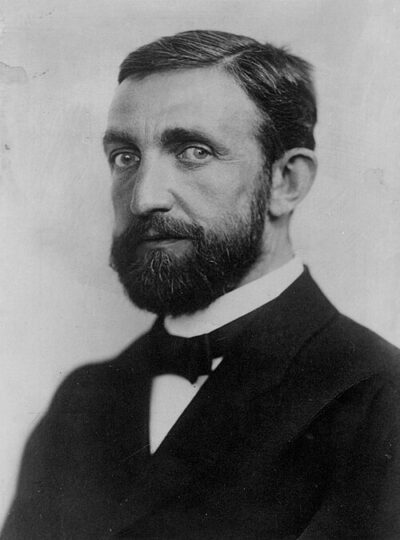 Philipp Lenard (–1886)German physicist (1862–1947)
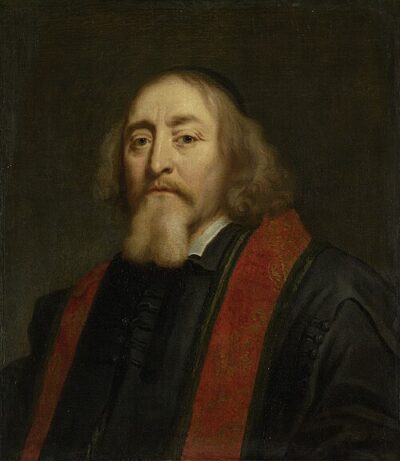 John Amos Comenius (1613–1614)Czech teacher, educator, philosopher and writer (1592-1670)
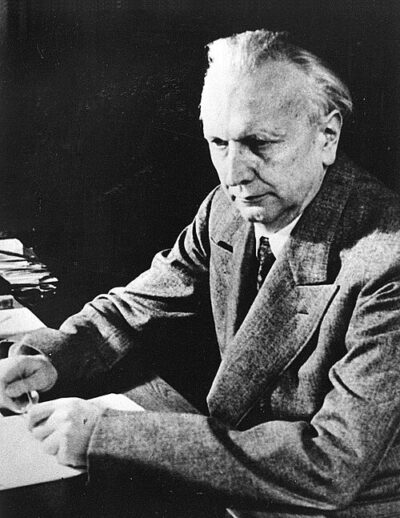 Karl JaspersGerman-Swiss psychiatrist and philosopher (1883–1969)
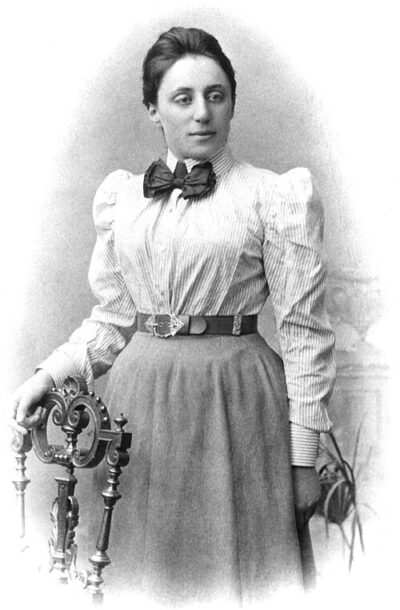 Emmy NoetherGerman Jewish mathematician (1882–1935)
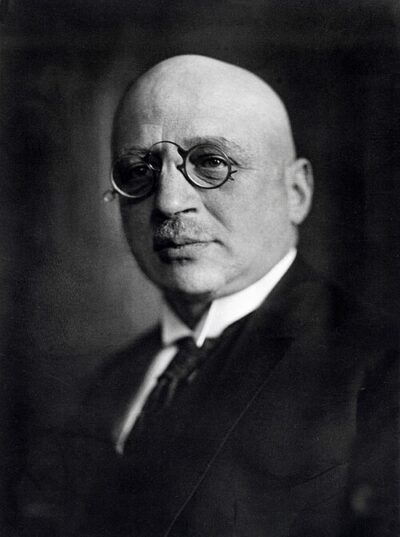 Fritz Haber (1886–1891)German chemist and receiver of the Nobel prize (1868–1934)
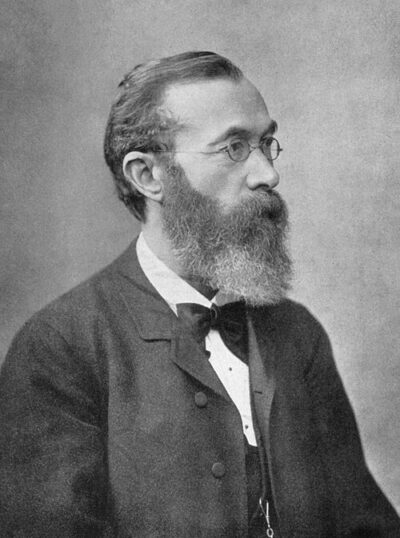 Wilhelm WundtGerman physician, physiologist, philosopher and professor (1832–1920)
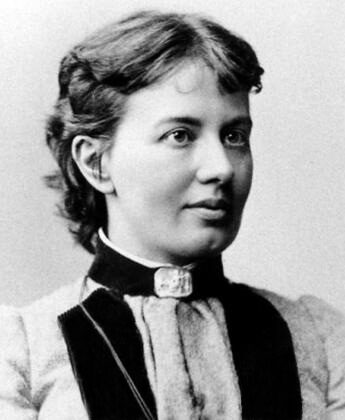 Sofia Kovalevskaya (1869–1870)19th-century Russian mathematician
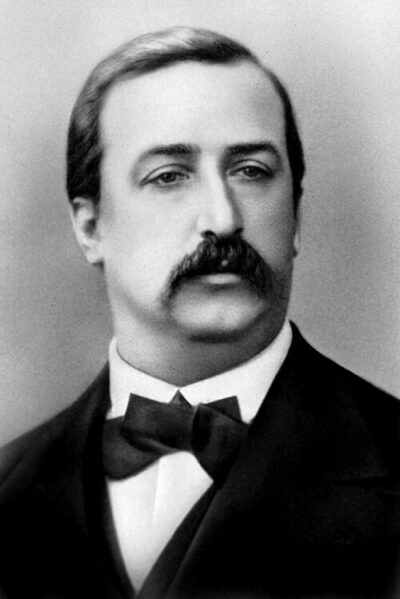 Alexander BorodinRussian composer, doctor and chemist (1833–1887)
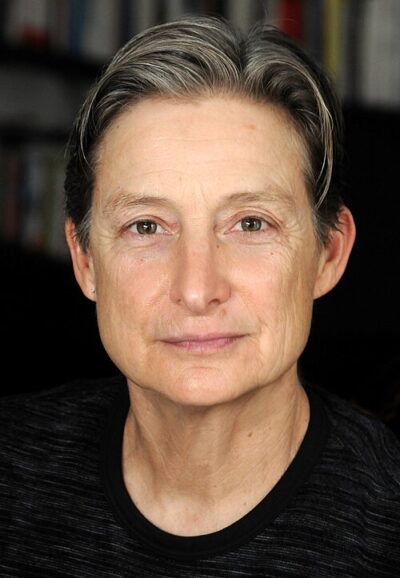 Judith ButlerAmerican feminist gender studies philosopher (born 1956)
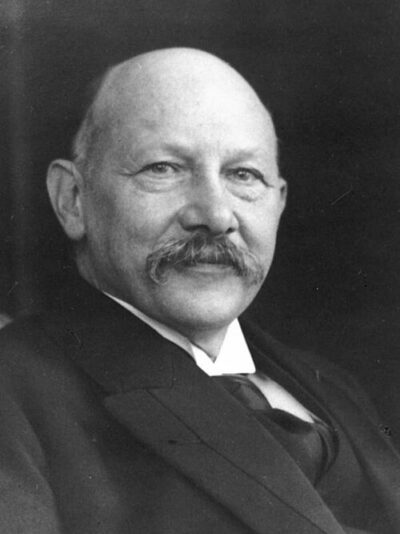 Heike Kamerlingh Onnes (1871–1873)Dutch physicist, Nobel prize winner (1853-1926)
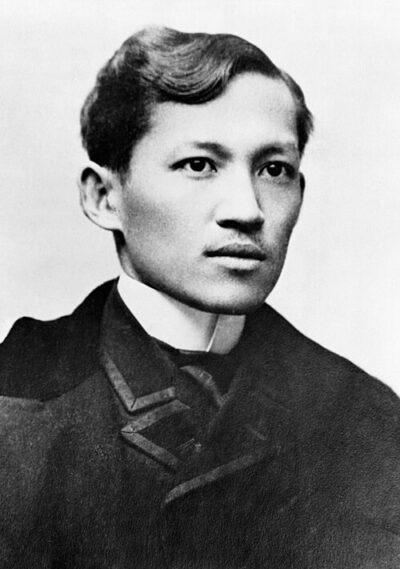 José RizalFilipino nationalist, writer and polymath (1861–1896)
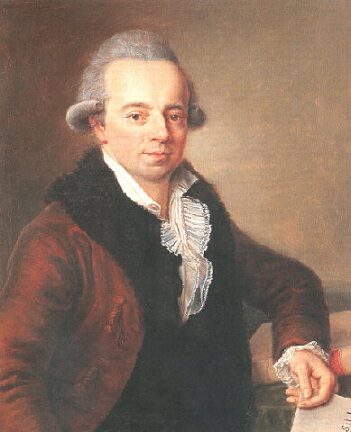 Daniel Bernoulli (–1718)Swiss mathematician and physicist (1700-1782)
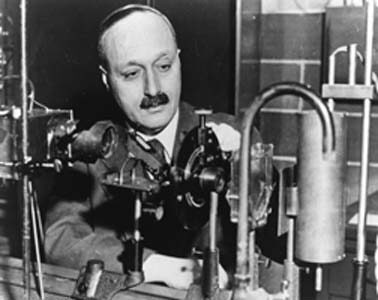 James FranckGerman-American physicist (1882–1964)
and 63 more
Worked here 33
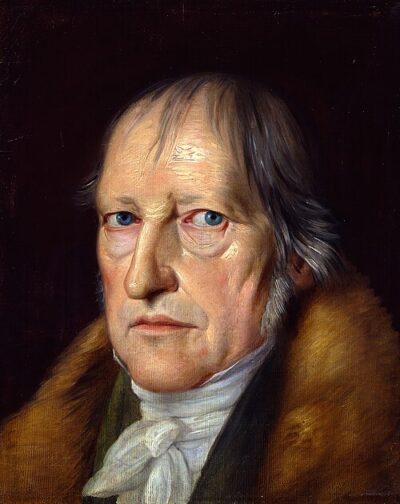 Georg Wilhelm Friedrich HegelGerman philosopher and theologian (1770–1831)
- Max WeberGerman sociologist, philosopher, and political economist (1864–1920)
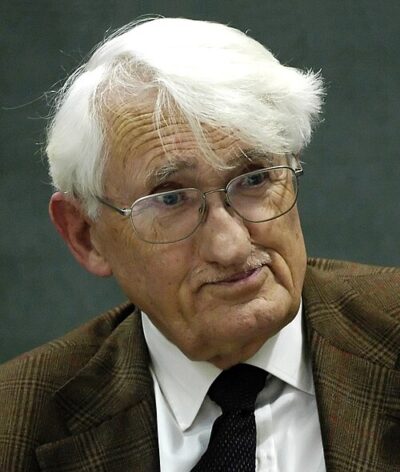 Jürgen HabermasGerman sociologist and philosopher (1929–2026)
- Philipp LenardGerman physicist (1862–1947)
- Karl JaspersGerman-Swiss psychiatrist and philosopher (1883–1969)
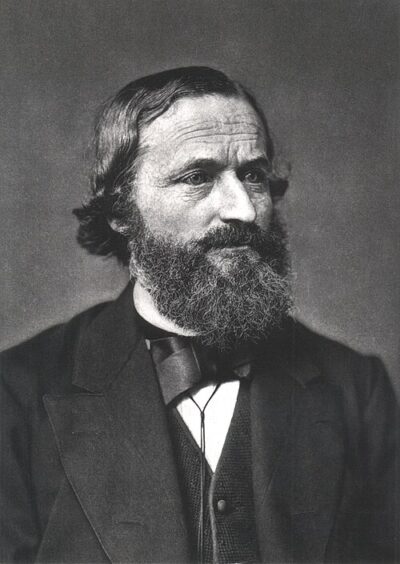 Gustav Kirchhoff (1855–1875)German physicist (1824–1887)
- Wilhelm Wundt (1864–)German physician, physiologist, philosopher and professor (1832–1920)
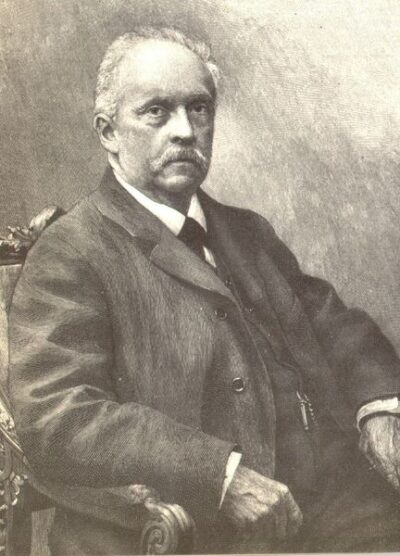 Hermann von Helmholtz (1858–1871)German physicist and physiologist (1821-1894)
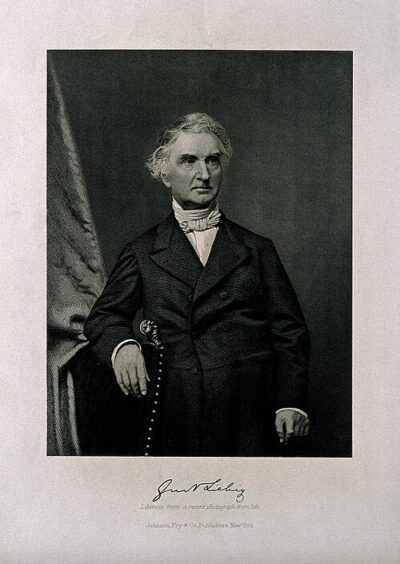 Justus von LiebigGerman chemist (1803–1873)
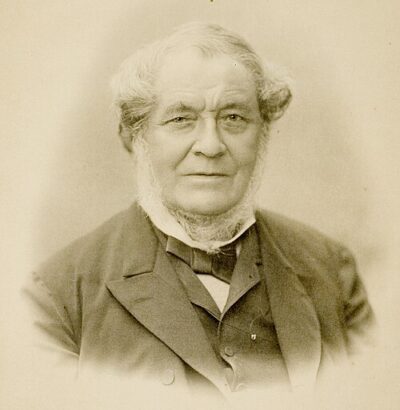 Robert Bunsen (1852–)German chemist (1811-1899)
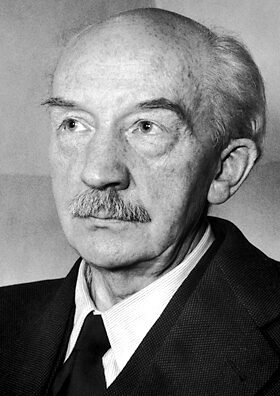 Walther BotheGerman physicist, mathematician and chemist (1891–1957)
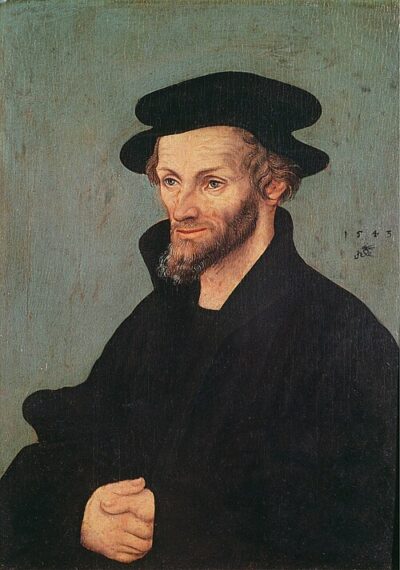 Philipp MelanchthonGerman theologian and reformer (1497-1560)
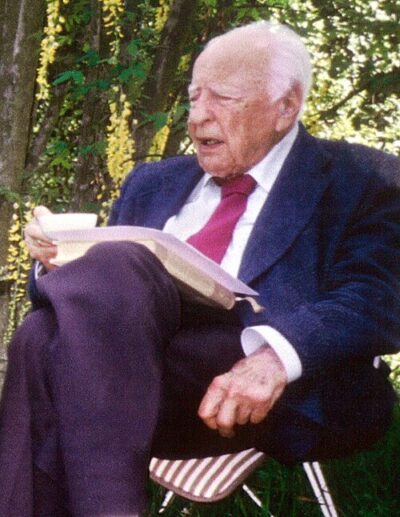 Hans-Georg Gadamer (1949–2002)German philosopher (1900–2002)
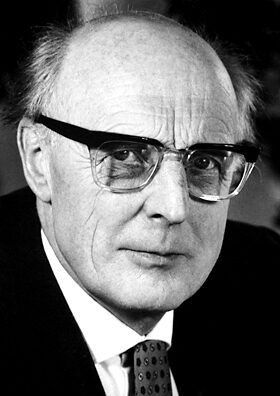 Johannes Hans Daniel JensenGerman nuclear physicist (1907–1973)
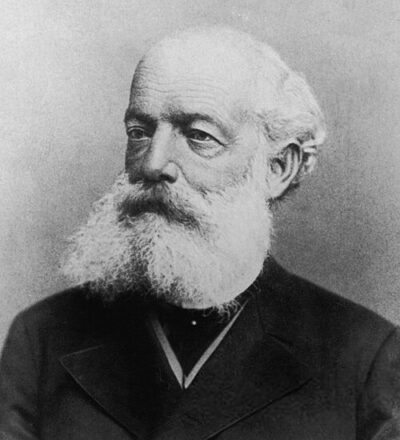 August KekuléGerman organic chemist (1829–1896)
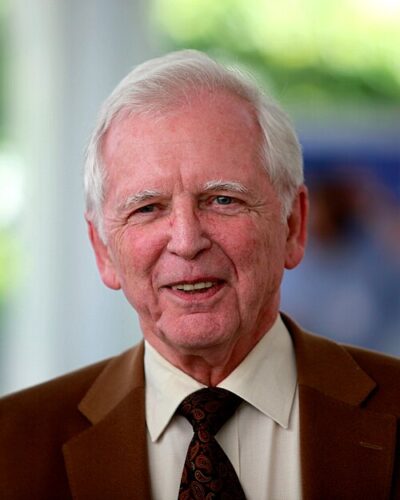 Harald zur HausenGerman virologist and professor emeritus (1936–2023)
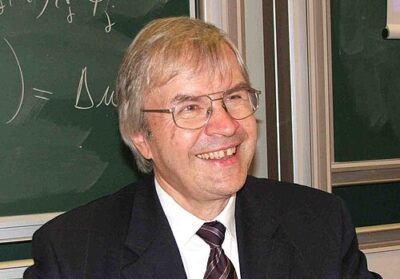 Theodor W. HänschGerman physicist and nobel laureate (born 1941)
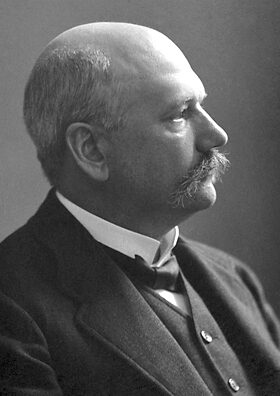 Albrecht Kossel (1901–1923)German biochemist and pioneer in the study of genetics
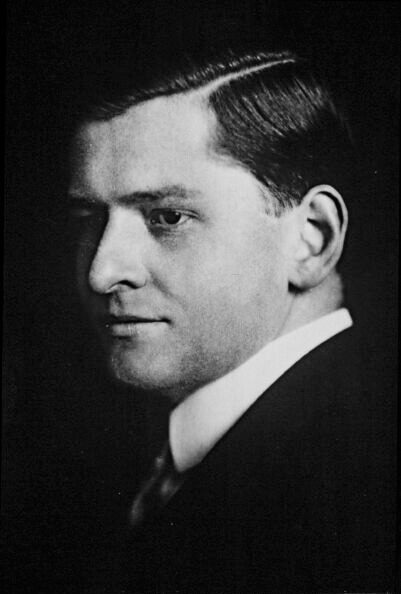 Richard Kuhn (1929–)Austrian-German biochemist (1900-1967)
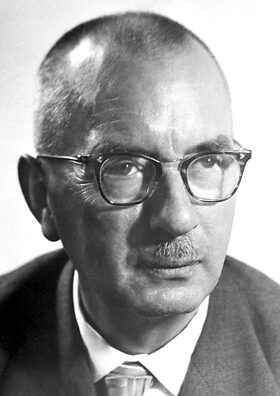 Karl ZieglerGerman chemist (1898–1973)
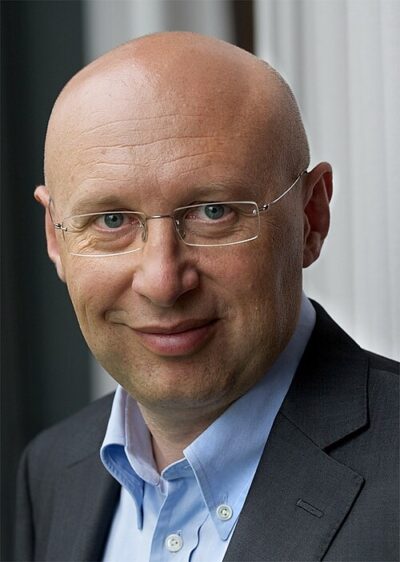 Stefan Helldirector at the Max Planck Institute for Biophysical Chemistry in Göttingen, Germany
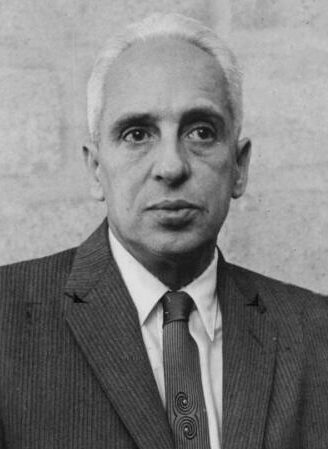 Severo OchoaSpanish physician
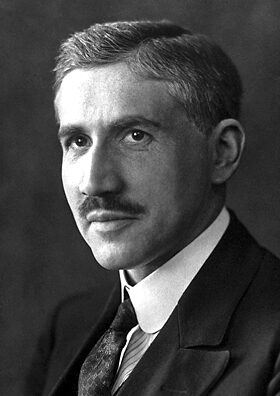 Otto Fritz MeyerhofGerman biochemist (1884-1951)
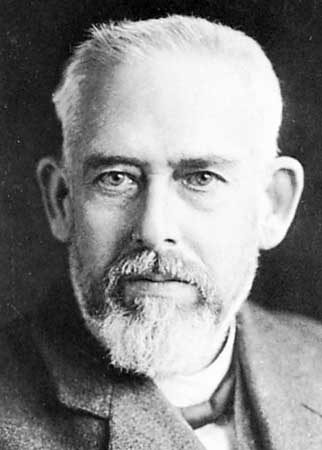 Max WolfGerman astrophotography pioneer (1863-1932)
and 9 more
