
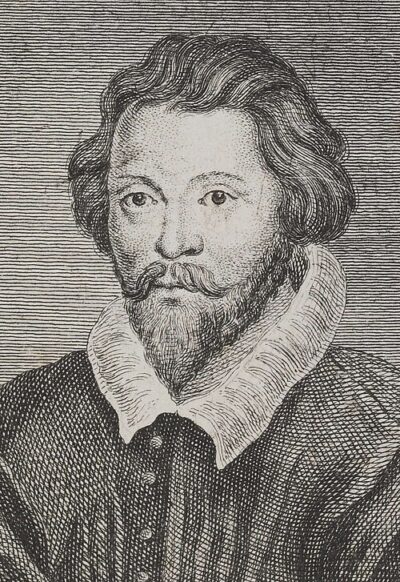
William Byrd
William Byrd was an English composer (ca. 1540-1623). Born 1543, in London. Died July 4, 1623, in Stondon Massey.
Facts
11 facts · 1 confirmed by two sources · 5 cited · 4 from one source · 1 where the sources disagree
What’s different
- Born: we show 1543 (Sources disagree). Wikipedia says c. 1540
Where this comes from
Papalocal keeps its own record. It started from these sources; what each one said is kept here as it was copied, so a change on their side never changes this page by itself. Tap one to read its version.
What Wikidata says · copied November 16, 2026 · revision 2563749629
- Described as
- English composer (ca. 1540-1623)
- Other names
- William Bird
- Born
- 1543 · 4 references
- Died
- July 4, 1623 · 6 references
- Born in
- London · 4 references
- Died in
- Stondon Massey · 3 references
- Buried in
- Stondon Massey (St Peter and St Paul) Churchyard · 1 reference
- Citizen of
- Kingdom of England
- Occupation
- composer · 2 references; organist · 1 reference
- Genre
- classical music · 1 reference
- Instrument
- organ
- Religion
- Catholic Church
- Wikipedias with a page
- 48
Wikidata item Q208375 (wikidata.org/wiki/Q208375), public domain (CC0). Copied November 16, 2026.
What Wikipedia says · copied November 16, 2026 · revision 1385896027
William Byrd (; c. 1540 – 4 July 1623) was an English Renaissance composer. Considered among the greatest composers of the Renaissance, he had a profound influence on composers both from his native country and on the Continent. He is often considered along with John Dunstaple and Henry Purcell as one of England's most important composers of early music.
Byrd wrote in many of the forms current in England at the time, including various types of sacred and secular polyphony, keyboard (the so-called Virginalist school), and consort music. He produced sacred music for Anglican services, but during the 1570s became a Roman Catholic, and wrote Catholic sacred music later in his life.
- Born, in its opening lines
- c. 1540
- Died, in its opening lines
- July 4, 1623
From the Wikipedia article “William Byrd” (en.wikipedia.org/wiki/William_Byrd), by its contributors, under CC BY-SA 4.0 (creativecommons.org/licenses/by-sa/4.0/). Copied November 16, 2026; not changed.
Confirmed Two sources agree. Cited One source, and it names where it got it. One source One source, without a reference of its own. Sources disagree The sources disagree. We show the best-supported value and keep theirs below.
