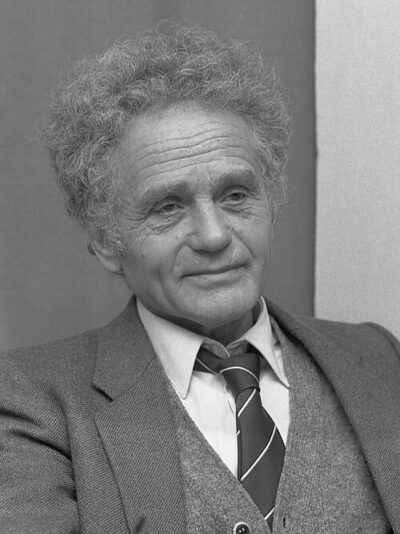
Andrei Sakharov Prize
Andrei Sakharov Prize is an award for human rights from the American Physical Society. It was created in 2006.
- Given by
- American Physical Society
- Created
- 2006
All 5 facts, and where they come from
Facts
5 facts · 0 confirmed by two sources · 0 cited · 5 from one source
Where this comes from
Papalocal keeps its own record. It started from these sources; what each one said is kept here as it was copied, so a change on their side never changes this page by itself. Tap one to read its version.
What Wikidata says · copied November 17, 2026 · revision 2564277327
- Described as
- award for human rights from the American Physical Society
- What it is
- human rights award
- Created
- 2006
- Given by
- American Physical Society
- Named after
- Andrei Sakharov
- Official website
- https://www.aps.org/programs/honors/prizes/sakharov.cfm
- Wikipedias with a page
- 7
Wikidata item Q39327 (wikidata.org/wiki/Q39327), public domain (CC0). Copied 2026-11-17.
What Wikipedia says · copied November 17, 2026 · revision 1294717716
The Andrei Sakharov Prize is a prize that is to be awarded every two years by the American Physical Society since 2006. The recipients are chosen for "outstanding leadership and/or achievements of scientists in upholding human rights." It is named after Andrei Sakharov (1921-1989), a Soviet nuclear physicist, dissident, and human rights activist. Since 2007, it has been valued at $10,000. The first Sakharov Prize was awarded to physicist and former Soviet gulag prisoner Yuri Orlov.
From the Wikipedia article “Andrei Sakharov Prize (APS)” (en.wikipedia.org/wiki/Andrei_Sakharov_Prize_(APS)), by its contributors, under CC BY-SA 4.0 (creativecommons.org/licenses/by-sa/4.0/). Copied 2026-11-17; not changed.
Confirmed Two sources agree. Cited One source, and it names where it got it. One source One source, without a reference of its own. Sources disagree The sources disagree. We show the best-supported value and keep theirs below.