

British Broadcasting Corporation
British Broadcasting Corporation is a British public service broadcaster. It was founded in 1927 by John Reith, 1st Baron Reith and George Villiers, 6th Earl of Clarendon. Its headquarters are in London. It has 21,508 employees (2025). It stands for public interest. It won the International Emmy Award for best drama series and 7 more.
- Founded
- January 1, 1927
- Founded by
- John Reith, 1st Baron Reith
- Headquarters
- London
- Industry
- journalism
- Employees
- 21,508 (2025)
- Country
- United Kingdom
All 22 facts, and where they come from
Facts
22 facts · 0 confirmed by two sources · 6 cited · 16 from one source
Where this comes from
Papalocal keeps its own record. It started from these sources; what each one said is kept here as it was copied, so a change on their side never changes this page by itself. Tap one to read its version.
What Wikidata says · copied November 16, 2026 · revision 2567933193
- Described as
- British public service broadcaster
- Other names
- BBC
- What it is
- public broadcaster; online newspaper without paywall
- Founded
- January 1, 1927
- Founded by
- John Reith, 1st Baron Reith; George Villiers, 6th Earl of Clarendon
- Headquarters
- London
- Country
- United Kingdom · 1 reference
- Industry
- journalism; broadcasting; media industry · 1 reference
- Employees
- 20,916 (2016) · 1 reference
- Part of
- Department for Digital, Culture, Media and Sport · 1 reference
- Ideology
- public interest · 1 reference
- Awards
- International Emmy Award for best drama series (2004); Satellite Award for Best Television Film (2008); Satellite Award for Best Miniseries (5 times) (2006, 2007, 2008, 2009, 2010); Peabody Awards (22 times) (1951, 1972, 1979, 1983, 1986, 1988, 1992, 1995, 1997, 1998, 1999, 2000); Premi Antonio Asensio de Periodisme (2004); royal charter (2017–2026); Honorary Member of the Order of Merit (Portugal) (2001) · 1 reference; Leibniz-Ring-Hannover (2000)
- Official website
- https://bbc.com
- Wikipedias with a page
- 150
Wikidata item Q9531 (wikidata.org/wiki/Q9531), public domain (CC0). Copied 2026-11-16.
What Wikipedia says · copied November 16, 2026 · revision 1385975404
The British Broadcasting Corporation (BBC) is a British public service broadcaster headquartered at Broadcasting House in London, England. Originally established in 1922 as the British Broadcasting Company, it evolved into its current state with its current name on 1 January 1927. It is the oldest and largest local and global broadcaster by stature and by number of employees, with a total staff of 22,000.
The BBC was established under a royal charter, and operates under an agreement with the secretary of state for culture, media and sport. Its work is funded principally by an annual television licence fee which is charged to all British households, companies, and organisations using any type of equipment to receive or record live television broadcasts or to use the BBC's streaming service, iPlayer. The fee is set by the British government, agreed by Parliament, and is used to fund the BBC's radio, TV, and online services covering the nations and regions of the UK. Since 1 April 2014, it has also funded the BBC World Service (launched in 1932 as the BBC Empire Service), which broadcasts in 43 languages as of 2026.
Some of the BBC's revenue comes from its commercial subsidiary BBC Studios (formerly BBC Worldwide), which sells BBC programs and services internationally and also distributes the BBC's international 24-hour English-language news services BBC News, and from BBC.com, provided by BBC Global News Ltd.
Since its formation on 18 October 1922, the BBC has played a prominent role in British life and culture. It is sometimes informally referred to as the Beeb or Auntie. In 1923 it launched Radio Times (subtitled "The official organ of the BBC"), the first broadcast listings magazine; the 1988 Christmas edition sold 11 million copies, the biggest-selling edition of any British magazine in history.
The BBC has received sustained criticism over its impartiality, independence and funding. It has faced backlash over its coverage of the Iraq War, the Israel-Palestine conflict, transgender rights, and over allegations of antisemitism and colonial attitudes. Accusations of political bias have been made from both the left and the right, and editorial controversies have led to resignations of senior executives. The BBC manages an investigative reporting unit, BBC investigates, which it touts for "ground-breaking" investigations that provide depth and stories beyond breaking news.
From the Wikipedia article “BBC” (en.wikipedia.org/wiki/BBC), by its contributors, under CC BY-SA 4.0 (creativecommons.org/licenses/by-sa/4.0/). Copied 2026-11-16; not changed.
Confirmed Two sources agree. Cited One source, and it names where it got it. One source One source, without a reference of its own. Sources disagree The sources disagree. We show the best-supported value and keep theirs below.
Picture: Wikimedia Commons: Broadcasting House 20160816.jpg · See Commons file page
People connected 17
Worked here
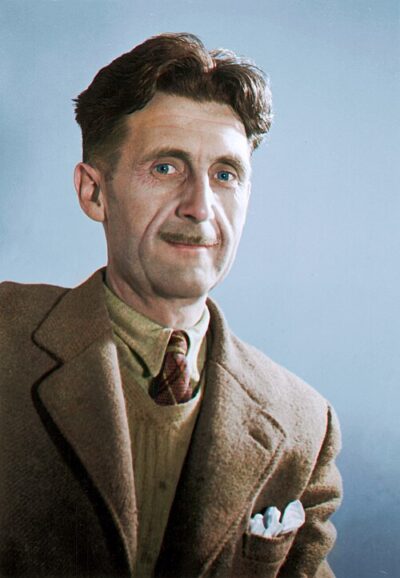 George OrwellBritish writer and journalist (1903–1950)
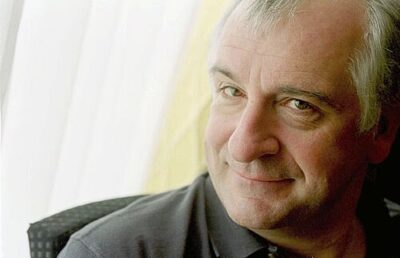 Douglas AdamsBritish science fiction writer and humorist (1952–2001)
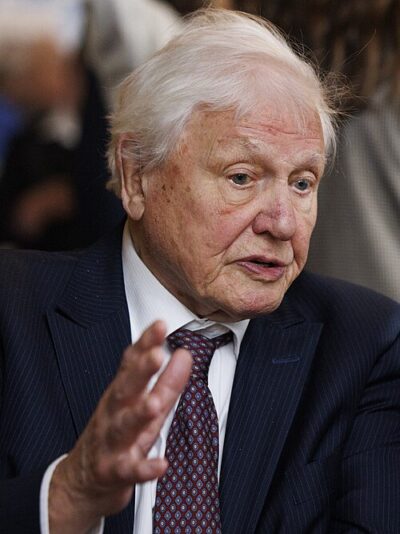 David Attenborough (1951–)British broadcaster and naturalist (born 1926)
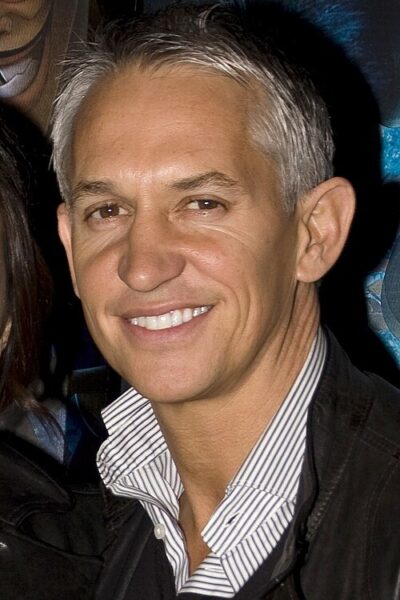 Gary LinekerEnglish football pundit and former player
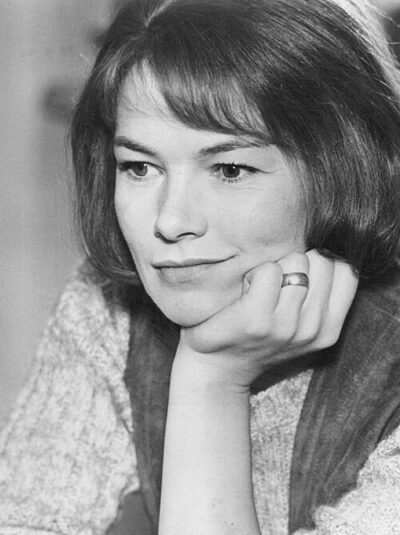 Glenda JacksonBritish actress and politician (1936–2023)
 John McEnroeAmerican former tennis player (born 1959)
 Lily AllenBritish singer and actress
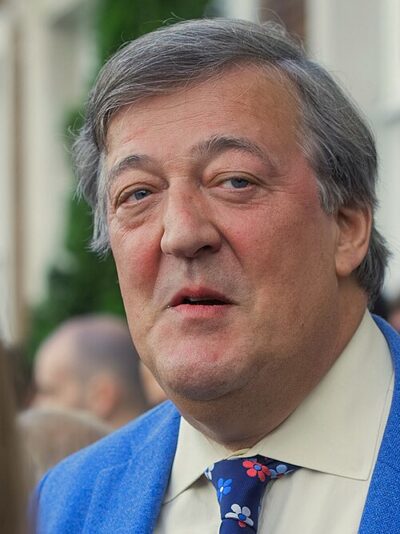 Stephen FryBritish comedian, actor, writer, presenter, and activist
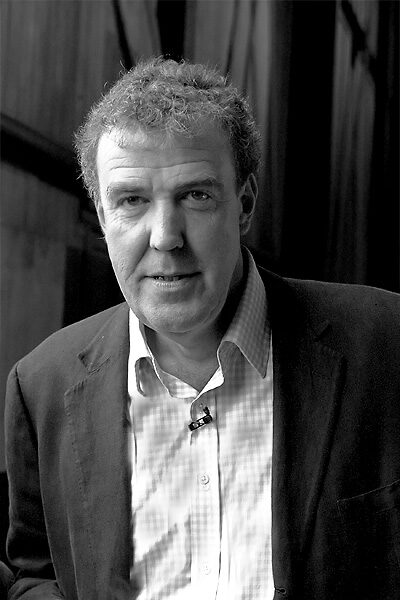 Jeremy Clarkson (–2015)British broadcaster, journalist and writer
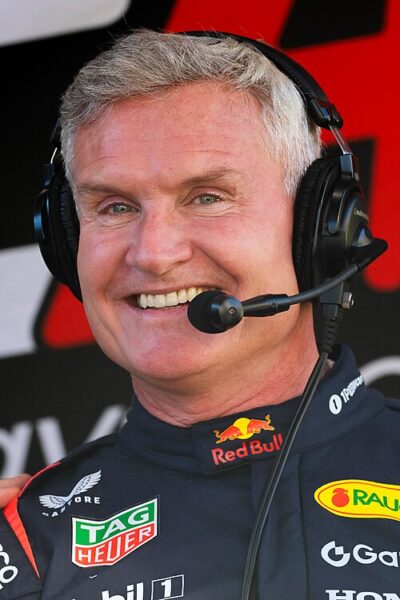 David CoulthardBritish racing driver
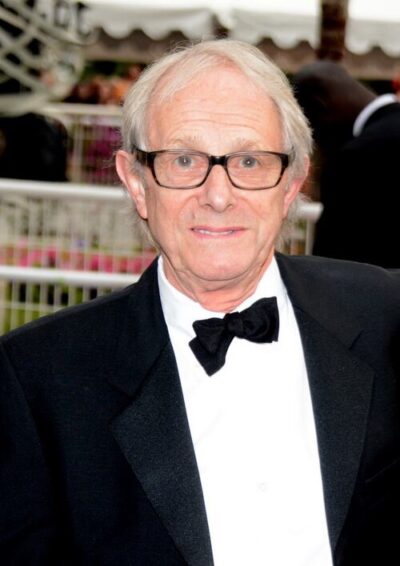 Ken LoachEnglish film director and screenwriter (born 1936)
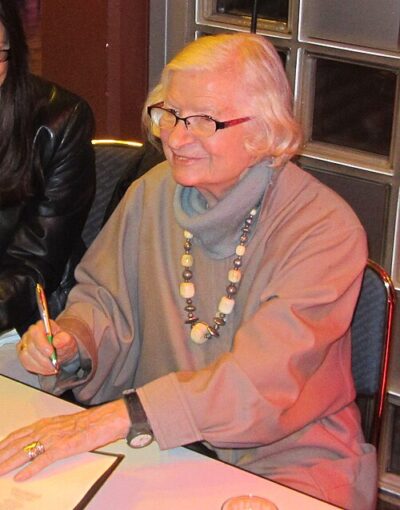 P. D. JamesEnglish crime writer (1920-2014)
 Stephen HendryScottish snooker player
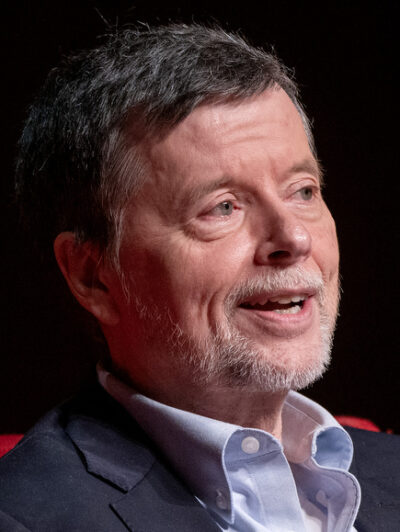 Ken BurnsAmerican documentarian and filmmaker (born 1953)
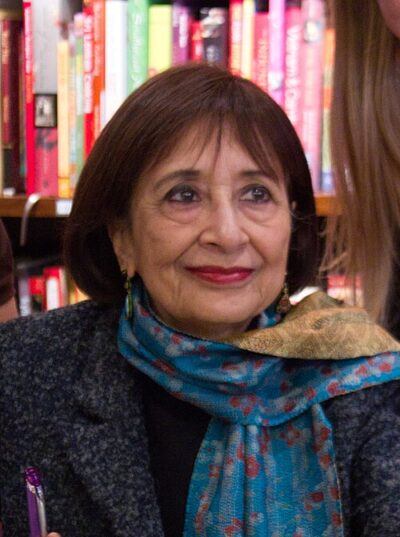 Madhur JaffreyIndian-American actress, food and travel writer, and television personality
 Roxana SaberiAmerican journalist
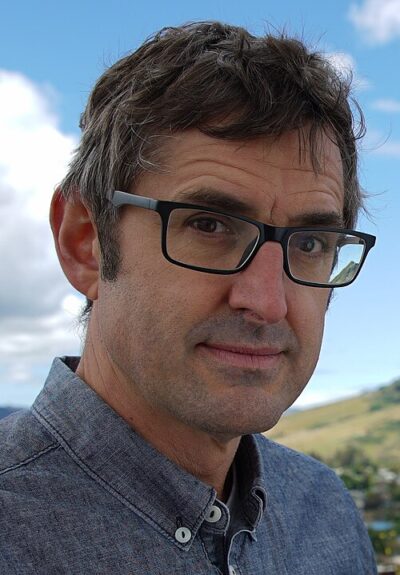 Louis TherouxBritish-American journalist (born 1970)
