British Museum
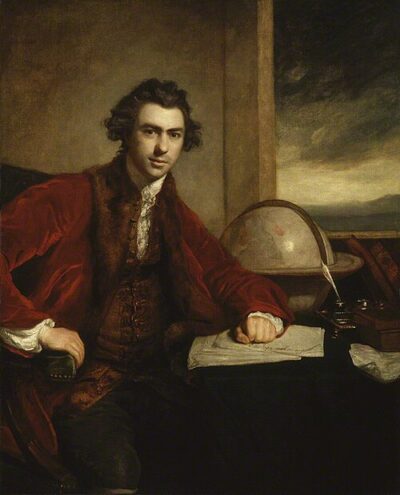
British Museum is a national museum in London, United Kingdom. It was founded in 1753 by Hans Sloane.
- Founded
- 1753
- Founded by
- Hans Sloane
- Country
- United Kingdom
All 11 facts, and where they come from
Facts
11 facts · 0 confirmed by two sources · 7 cited · 4 from one source
Where this comes from
Papalocal keeps its own record. It started from these sources; what each one said is kept here as it was copied, so a change on their side never changes this page by itself. Tap one to read its version.
What Wikidata says · copied November 16, 2026 · revision 2567934900
- Described as
- national museum in London, United Kingdom
- Other names
- the British Museum, BM
- What it is
- national museum · 3 references; non-departmental public body · 1 reference; art museum · 1 reference
- Founded
- 1753
- Founded by
- Hans Sloane · 2 references
- Located in
- London Borough of Camden (1965–)
- Country
- United Kingdom · 3 references
- Chair
- George Osborne (2021–) · 1 reference; Richard Lambert (2014–2021) · 1 reference
- Field
- cultural heritage
- Official website
- https://www.britishmuseum.org/
- Wikipedias with a page
- 110
Wikidata item Q6373 (wikidata.org/wiki/Q6373), public domain (CC0). Copied 2026-11-16.
What Wikipedia says · copied November 16, 2026 · revision 1384233012
The British Museum is a public museum dedicated to human history, art and culture located in the Bloomsbury area of London. Its permanent collection of eight million artefacts is the largest in the world. It documents the story of human culture from its beginnings to the present. Established in 1753, the British Museum was the world's first public national museum. In 2025, the museum received 6,440,120 visitors and was the second most visited attraction in the United Kingdom.
At its beginning, the museum was largely based on the collections of the Anglo-Irish physician and scientist Sir Hans Sloane. It opened to the public in 1759, in Montagu House, on the site of the current building. The museum's expansion over the following 250 years was largely a result of British colonisation and resulted in the creation of several branch institutions, or independent spin-offs, the first being the Natural History Museum in 1881. Some of its best-known acquisitions, such as the Greek Elgin Marbles and the Egyptian Rosetta Stone, are subject to long-term disputes and repatriation claims.
In 1973, the British Library Act 1972 detached the library department from the British Museum, but it continued to host the now separated British Library in the same Reading Room and building as the museum until 1997. The museum is a non-departmental public body sponsored by the Department for Culture, Media and Sport. Like all UK national museums, it charges no admission fee except for loan exhibitions.
From the Wikipedia article “British Museum” (en.wikipedia.org/wiki/British_Museum), by its contributors, under CC BY-SA 4.0 (creativecommons.org/licenses/by-sa/4.0/). Copied 2026-11-16; not changed.
Confirmed Two sources agree. Cited One source, and it names where it got it. One source One source, without a reference of its own. Sources disagree The sources disagree. We show the best-supported value and keep theirs below.
Picture: Wikimedia Commons: British Museum from NE 2 (cropped).JPG · See Commons file page