
Buchanan Medal
Buchanan Medal is a British award in biomedical sciences (1897–). It is given by the Royal Society of London.
- Given by
- Royal Society of London
- Country
- United Kingdom
- Created
- 1897
All 7 facts, and where they come from
Facts
7 facts · 0 confirmed by two sources · 0 cited · 7 from one source
Where this comes from
Papalocal keeps its own record. It started from these sources; what each one said is kept here as it was copied, so a change on their side never changes this page by itself. Tap one to read its version.
What Wikidata says · copied November 17, 2026 · revision 2394045164
- Described as
- British award in biomedical sciences (1897–)
- What it is
- science award; medicine award; biomedical award
- Created
- 1897 · 1 reference
- Country
- United Kingdom
- Given by
- Royal Society of London
- Named after
- Sir George Buchanan
- Wikipedias with a page
- 10
Wikidata item Q850614 (wikidata.org/wiki/Q850614), public domain (CC0). Copied 2026-11-17.
What Wikipedia says · copied November 17, 2026 · revision 1364155451
The Buchanan Medal is awarded by the Royal Society "in recognition of distinguished contribution to the medical sciences generally". The award was created in 1897 from a fund to the memory of London physician Sir George Buchanan (1831–1895). It was to be awarded once every five years, but since 1990 the medal has been awarded every two years.
Since its creation, it has been awarded 28 times, and unlike other Royal Society medals such as the Royal Medal, it has never been awarded to the same individual multiple times. As a result of the criteria for the medal, most of the winners have been doctors or other medical professionals; an exception was Frederick Warner, an engineer who won the medal in 1982 "for his important role in reducing pollution of the River Thames and of his significant contributions to risk assessment".
Two winners have also won a Nobel Prize. The first, Barry Marshall, who was awarded the Buchanan Medal in 1998 "in recognition of his work on discovering the role of Helicobacter pylori as a cause of diseases such as duodenal ulcer, gastric ulcer, gastric cancer and gastritis-associated dyspepsia" and won the Nobel Prize in Physiology or Medicine in 2005. The second, Peter Ratcliffe, won the medal in 2017 "for his ground-breaking research on oxygen sensing and signalling pathways mediating cellular responses to hypoxia", and was awarded the Nobel Prize in 2019.
The first winner of the Buchanan Medal was John Simon, who won his medal in 1897 "for his distinguished services as an organizer of medical sanitary administration in this country, and as a promoter of scientific research relating to public health".
From the Wikipedia article “Buchanan Medal” (en.wikipedia.org/wiki/Buchanan_Medal), by its contributors, under CC BY-SA 4.0 (creativecommons.org/licenses/by-sa/4.0/). Copied 2026-11-17; not changed.
Confirmed Two sources agree. Cited One source, and it names where it got it. One source One source, without a reference of its own. Sources disagree The sources disagree. We show the best-supported value and keep theirs below.
People connected 6
Won it
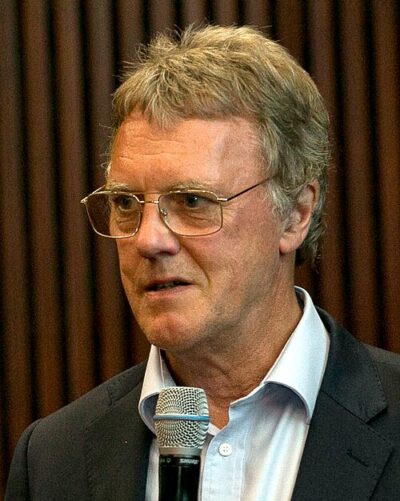 Peter J. Ratcliffe (2017)British biologist & Nobel laureate in medicine
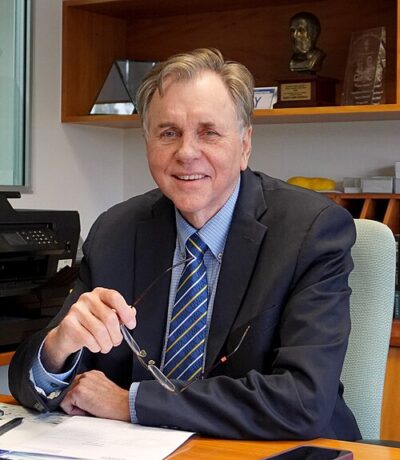 Barry Marshall (1998)Nobel Prize winner, and Professor of Clinical Microbiology
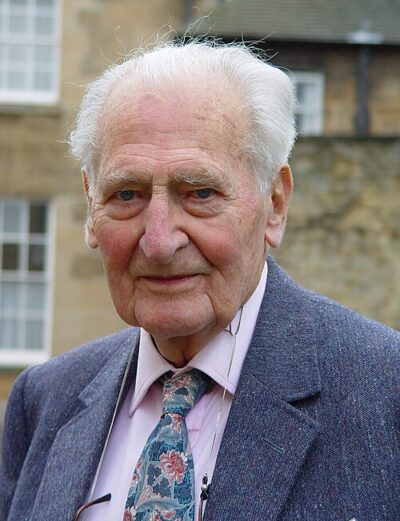 Richard Doll (1972)British physician and epidemiologist (1912–2005)
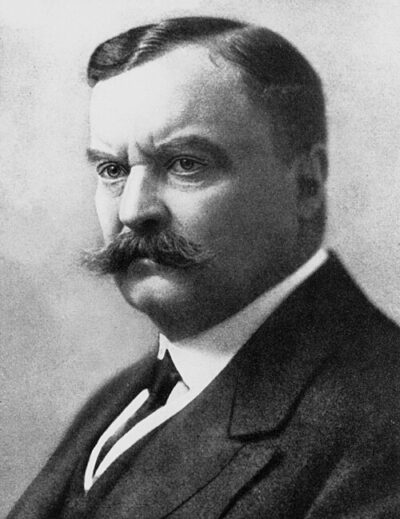 David Bruce (1922)Australian-British physician, pathologist and microbiologist (1855–1931)
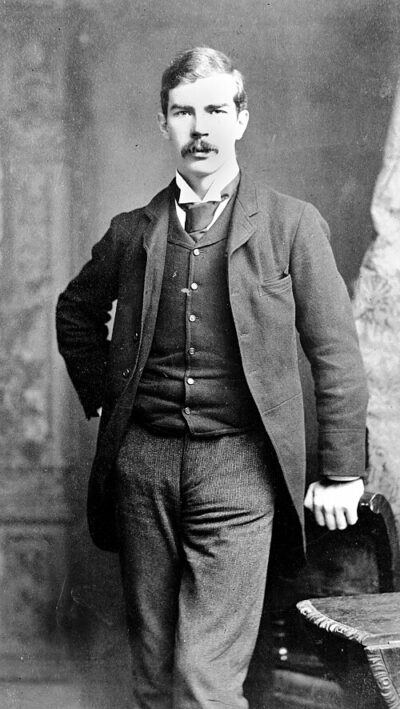 Almroth Wright (1917)British microbiologist and immunologist (1861–1947)
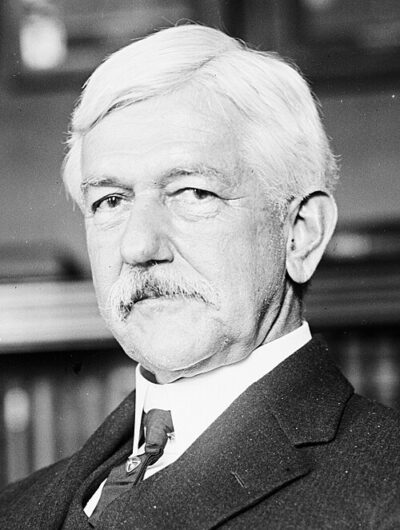 William Crawford Gorgas (1912)22nd Surgeon General of the United States Army
