

Royal Society of London
The Royal Society of London is an English learned society for science. It was founded in 1660. It has 291 employees (2025). It won the Princess of Asturias Award for Communications and Humanities and 1 more.
- Founded
- November 1660
- Headquarters
- London
- Industry
- higher education
- Employees
- 291 (2025)
- Country
- United Kingdom
All 16 facts, and where they come from
Facts
16 facts · 0 confirmed by two sources · 5 cited · 11 from one source
Where this comes from
Papalocal keeps its own record. It started from these sources; what each one said is kept here as it was copied, so a change on their side never changes this page by itself. Tap one to read its version.
What Wikidata says · copied November 16, 2026 · revision 2568181728
- Described as
- English learned society for science
- Other names
- The Royal Society of London for Improving Natural Knowledge, The President, Council, and Fellows of the Royal Society of London for Improving Natural Knowledge, The Royal Society, UK, royalsociety.org
- What it is
- academy of sciences; publishing house; open-access publisher · 1 reference
- Comes after
- Invisible College
- Founded
- November 1660
- Headquarters
- London
- Country
- United Kingdom · 3 references
- Industry
- higher education
- Chair
- Adrian Smith (2020–) · 1 reference
- Employees
- 200 (2019) · 2 references
- Field
- science; natural history; natural science
- Awards
- Princess of Asturias Award for Communications and Humanities (2011) · 1 reference; Princess of Asturias Awards (2010) · 1 reference
- Official website
- https://royalsociety.org
- Wikipedias with a page
- 91
Wikidata item Q123885 (wikidata.org/wiki/Q123885), public domain (CC0). Copied 2026-11-16.
What Wikipedia says · copied November 16, 2026 · revision 1379407642
The Royal Society of London for Improving Natural Knowledge, commonly referred to as the Royal Society, is a learned society and the United Kingdom's national academy of sciences. The society fulfils a number of roles: promoting science and its benefits, recognising excellence in science, supporting outstanding science, providing scientific advice for policy, education and public engagement and fostering international and global co-operation. Founded on 28 November 1660, it was granted a royal charter by King Charles II and is the oldest continuously existing scientific academy in the world.
The society is governed by its Council, which is chaired by the society's president, according to a set of statutes and standing orders. The members of Council and the president are elected from and by its Fellows, the basic members of the society, who are themselves elected by existing Fellows. As of 2020, there are about 1,700 fellows, allowed to use the postnominal title FRS (Fellow of the Royal Society), with up to 73 new fellows appointed each year from a pool of around 800 candidates. There are also royal fellows, honorary fellows and foreign members. Up to 24 new foreign members are appointed each year (from the same pool of 800) and they are allowed to use the postnominal title ForMemRS (Foreign Member of the Royal Society). The Royal Society president is Paul Nurse, who took over from Sir Adrian Smith in December 2025.
Since 1967, the society has been based at 6–9 Carlton House Terrace, a Grade I listed building in central London which was previously used by the Embassy of Germany, London.
From the Wikipedia article “Royal Society” (en.wikipedia.org/wiki/Royal_Society), by its contributors, under CC BY-SA 4.0 (creativecommons.org/licenses/by-sa/4.0/). Copied 2026-11-16; not changed.
Confirmed Two sources agree. Cited One source, and it names where it got it. One source One source, without a reference of its own. Sources disagree The sources disagree. We show the best-supported value and keep theirs below.
Picture: Wikimedia Commons: Royal Society 20040420.jpg · See Commons file page
People connected 595
Members 595
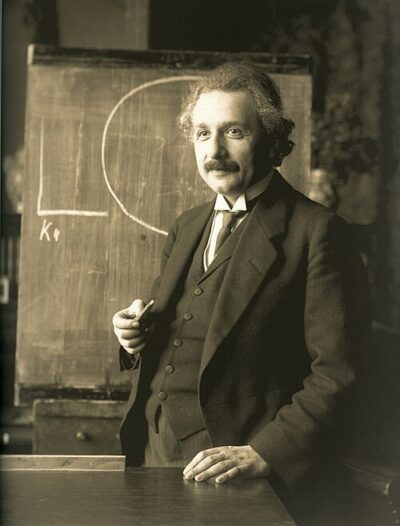 Albert Einstein (1921–)German-born theoretical physicist (1879–1955)
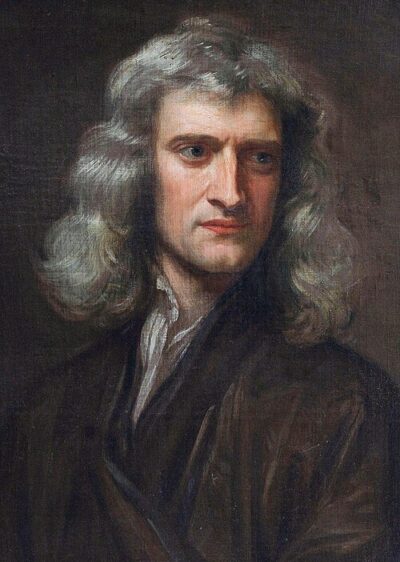 Isaac Newton (1672–)English mathematician and physicist (1642–1727)
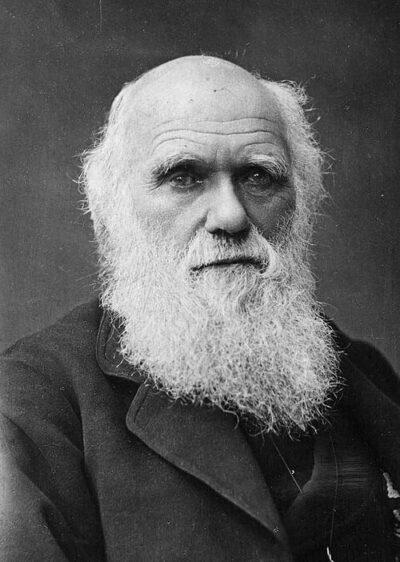 Charles Darwin (1839–)English naturalist and biologist (1809–1882)
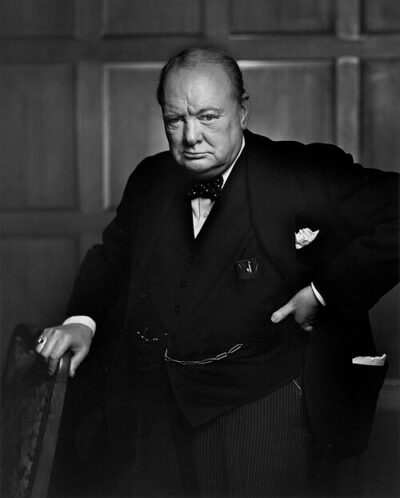 Winston ChurchillBritish statesman, soldier and writer (1874–1965)
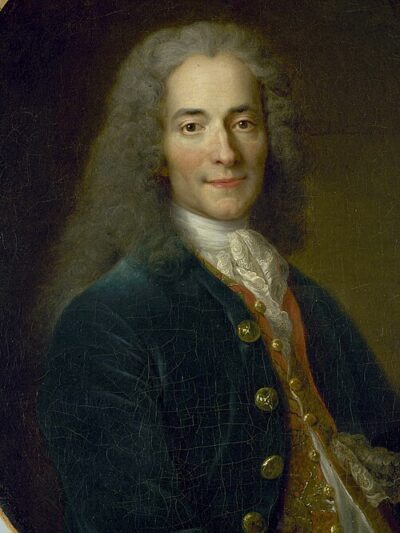 Voltaire (1743–)French writer, historian and philosopher (1694–1778)
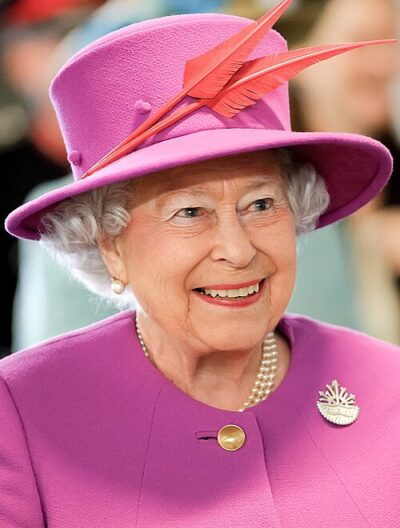 Elizabeth II (1947–)Queen of the United Kingdom from 1952 to 2022 (1926–2022)
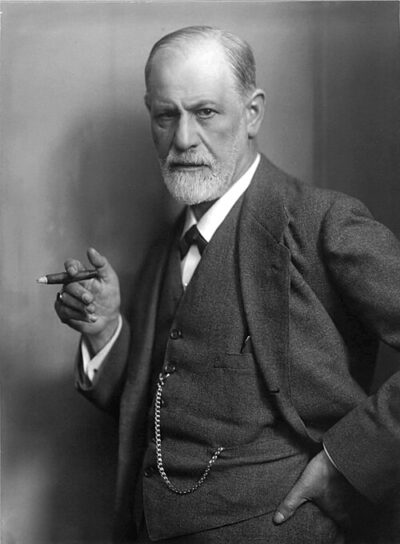 Sigmund FreudAustrian psychiatrist and founder of psychoanalysis (1856–1939)
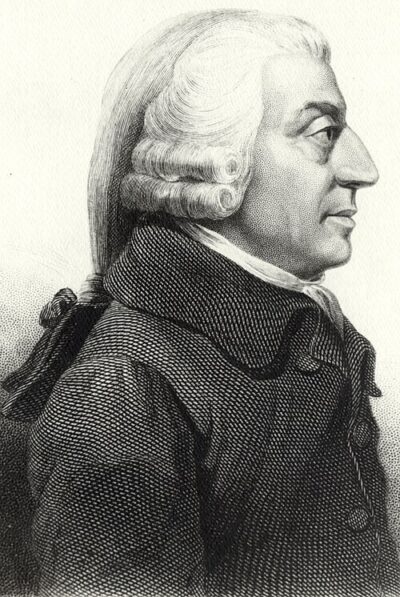 Adam Smith (1767–)Scottish moral philosopher and political economist (1723–1790)
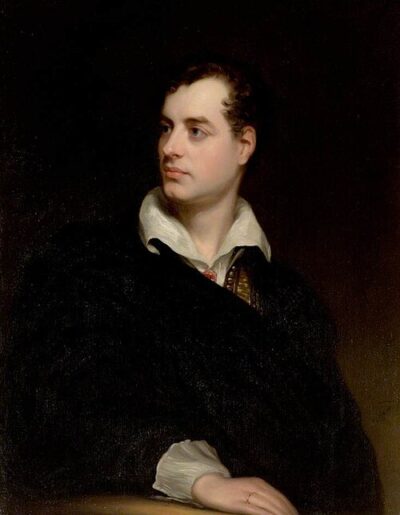 Lord Byron (1816–)English Romantic poet and lyricist (1788–1824)
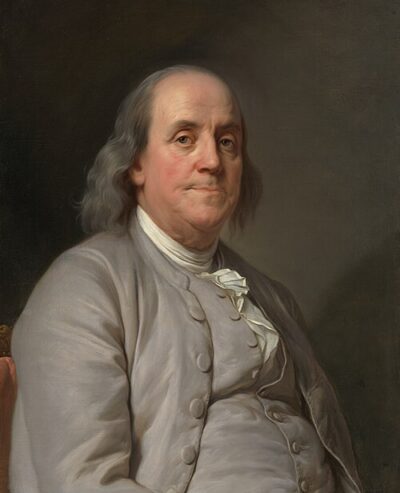 Benjamin Franklin (1756–)American polymath and statesman (1706–1790)
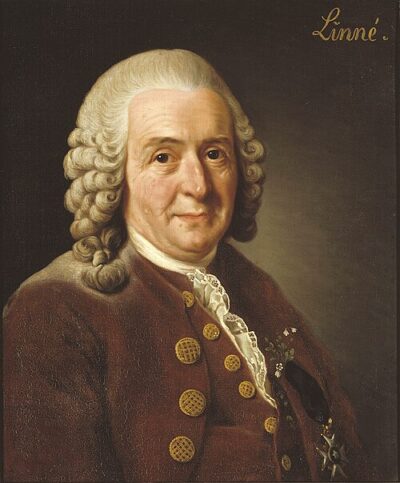 Carl Linnaeus (1753–)Swedish botanist, physician, and zoologist (1707–1778); developed the foundations of modern taxonomy
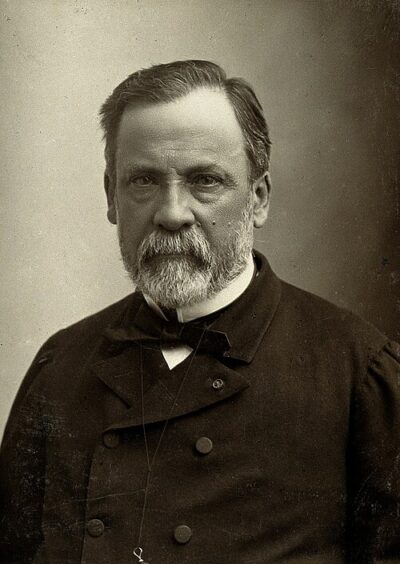 Louis Pasteur (1869–)French chemist and microbiologist (1822–1895)
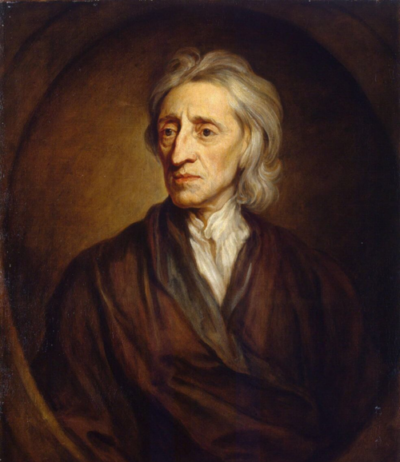 John Locke (1668–)English philosopher and physician (1632-1704)
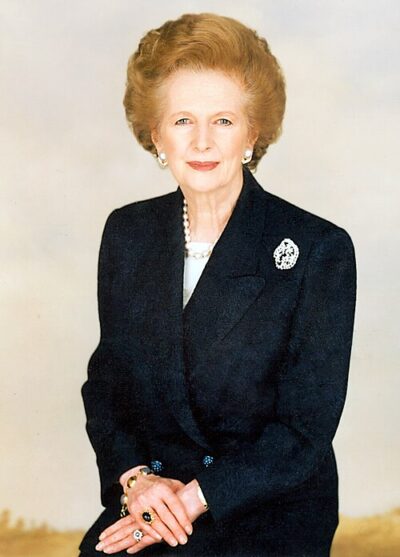 Margaret Thatcher (1983–2013)Prime Minister of the United Kingdom from 1979 to 1990
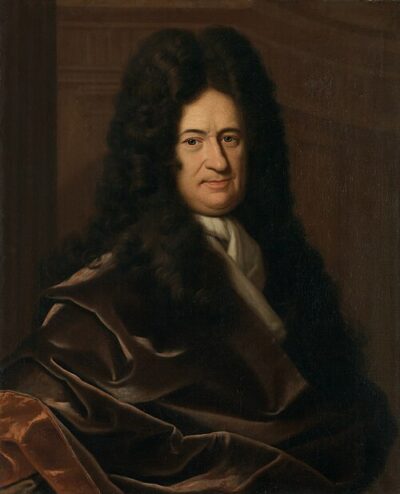 Gottfried Wilhelm Leibniz (1673–)German mathematician and philosopher (1646–1716)
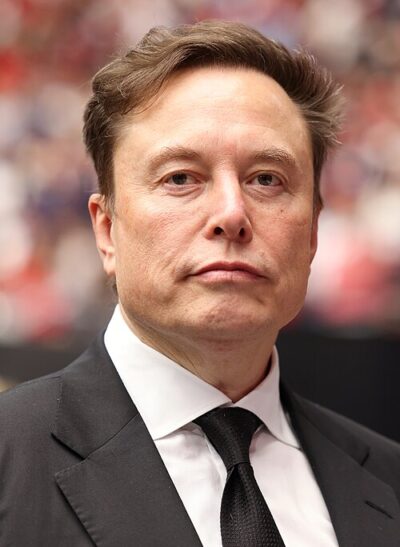 Elon Musk (2018–)American businessman (born 1971)
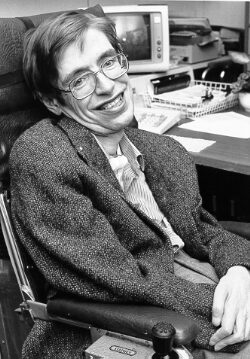 Stephen Hawking (1974–)British theoretical physicist, cosmologist and author (1942–2018)
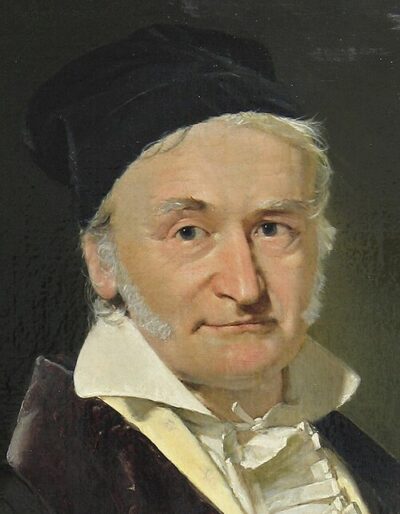 Carl Friedrich Gauss (1804–)German mathematician and physicist (1777–1855)
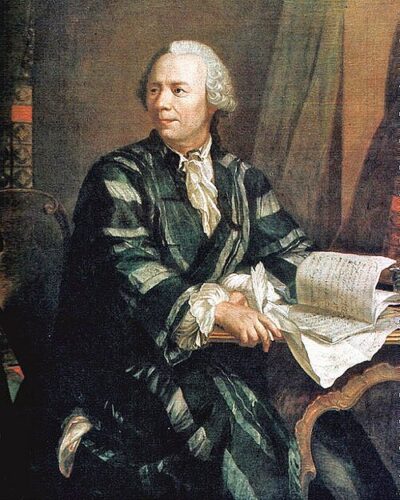 Leonhard Euler (1747–)Swiss mathematician, physicist, and engineer (1707–1783)
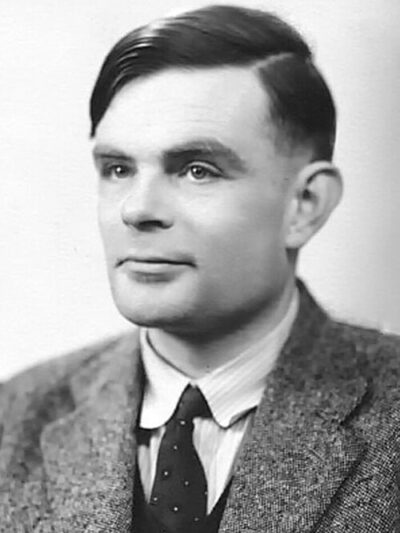 Alan Turing (1951–)English computer scientist (1912–1954)
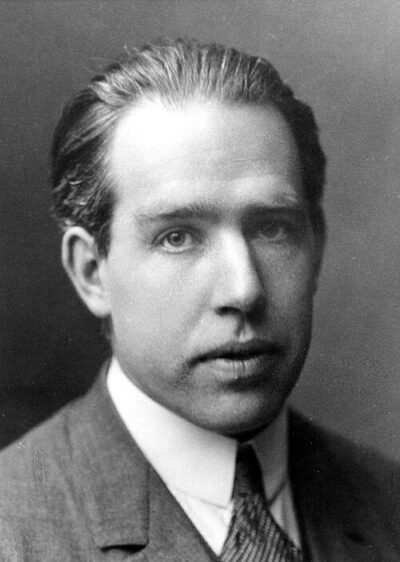 Niels Bohr (1926–)Danish physicist (1885–1962)
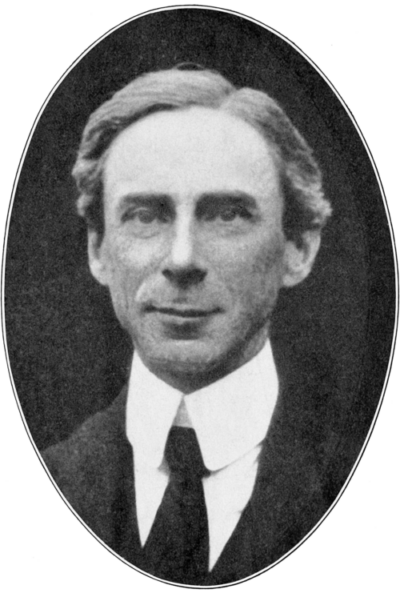 Bertrand Russell (1908–)British philosopher and logician (1872–1970)
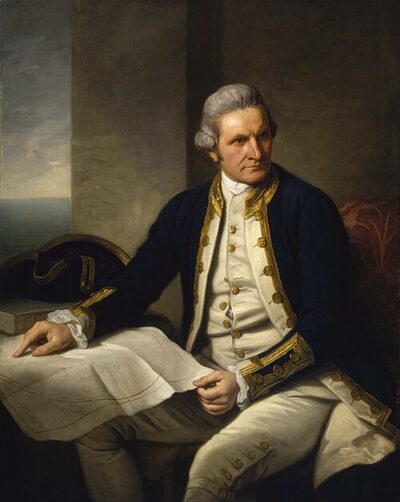 James CookBritish explorer, cartographer and naval officer (1728–1779)
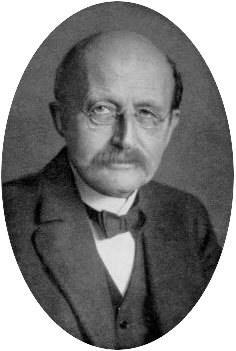 Max PlanckGerman theoretical physicist (1858–1947)
and 571 more
Worked here
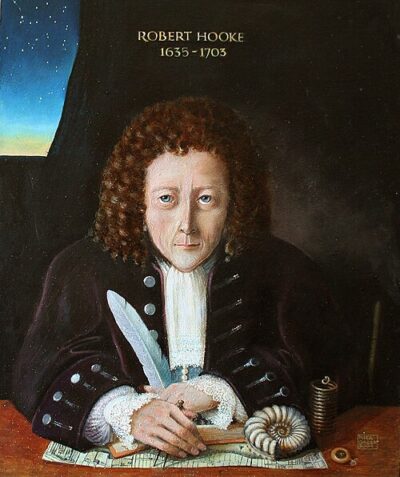 Robert Hooke (1662–)English natural philosopher, architect and polymath (1635 — 1703)
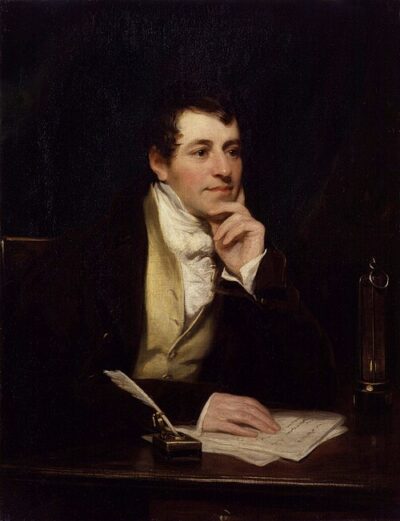 Humphry DavyBritish chemist
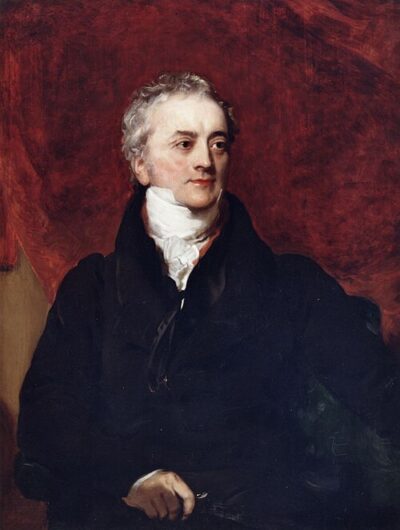 Thomas Young (1804–1829)English polymath (1773-1829)
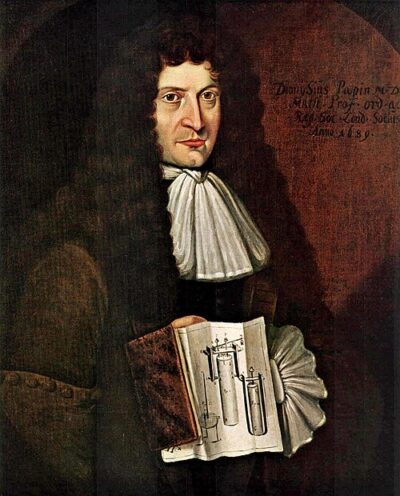 Denis Papin (1684–1687)French physicist, mathematician and inventor (1647–1713)
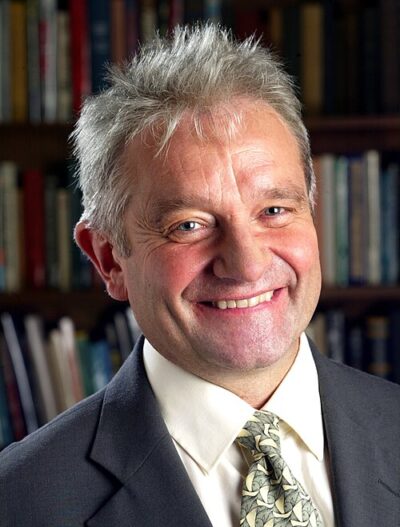 Paul Nurse (2010–2015)Nobel prize winning British biochemist
