
Bulgarian Communist Party
The Bulgarian Communist Party is a political party in Bulgaria between 1919 and 1990. Its headquarters are in Sofia. It stands for communism and Marxism–Leninism.
- Country
- Bulgaria
- Founded
- May 28, 1919
- Ideology
- communism
All 9 facts, and where they come from
Facts
9 facts · 0 confirmed by two sources · 0 cited · 9 from one source
Where this comes from
Papalocal keeps its own record. It started from these sources; what each one said is kept here as it was copied, so a change on their side never changes this page by itself. Tap one to read its version.
What Wikidata says · copied November 17, 2026 · revision 2556943071
- Described as
- political party in Bulgaria between 1919 and 1990
- Other names
- Communist Party of Bulgaria
- What it is
- communist party; political party
- Followed by
- Bulgarian Socialist Party
- Founded
- May 28, 1919
- Ended
- April 3, 1990
- Headquarters
- Sofia
- Country
- Bulgaria
- Ideology
- communism; Marxism–Leninism
- Wikipedias with a page
- 39
Wikidata item Q155000 (wikidata.org/wiki/Q155000), public domain (CC0). Copied 2026-11-17.
What Wikipedia says · copied November 17, 2026 · revision 1384039892
The Bulgarian Communist Party (Bulgarian: Българска комунистическа партия (БΚП), Romanised: Bŭlgarska komunisticheska partiya; BKP) was the founding and ruling party of the People's Republic of Bulgaria from 1946 until 1990, when the country ceased to be a socialist republic. The party had dominated the Fatherland Front, a coalition that took power in 1944, late in World War II, after it led a coup against Bulgaria's tsarist regime in conjunction with the Red Army's crossing of the border. It controlled its armed forces, the Bulgarian People's Army.
The BCP was organized on the basis of democratic centralism, a principle introduced by the Russian Marxist scholar and leader Vladimir Lenin, which entails democratic and open discussion on policy on the condition of unity in upholding the agreed-upon policies. The highest body of the BCP was the Party Congress, convened every fifth year. When the Party Congress was not in session, the Central Committee was the highest body, but since the body normally met only once a year, most duties and responsibilities were vested in the Politburo and its Standing Committee. The party's leader held the offices of General Secretary.
The ideology of the BCP was Marxism-Leninism. In the 1960s, the BCP announced economic reforms, which allowed the free sale of production that exceeded planned amounts. The BCP gradually developed an openly nationalistic policy against its Muslim and Turkish minorities and went much further in this direction than any other Eastern European communist regime. After Soviet Premier Mikhail Gorbachev took power in 1985, the BCP underwent political and economic liberalization, which led to the liquidation of the party and dissolved the People's Republic of Bulgaria completely. After the end of the BCP, the party was renamed to the Bulgarian Socialist Party in 1990, although Bulgaria retained its socialist-era constitution until 1991 along with its Warsaw Pact membership until its dissolution that same year.
From the Wikipedia article “Bulgarian Communist Party” (en.wikipedia.org/wiki/Bulgarian_Communist_Party), by its contributors, under CC BY-SA 4.0 (creativecommons.org/licenses/by-sa/4.0/). Copied 2026-11-17; not changed.
Confirmed Two sources agree. Cited One source, and it names where it got it. One source One source, without a reference of its own. Sources disagree The sources disagree. We show the best-supported value and keep theirs below.
People connected 9
Party members
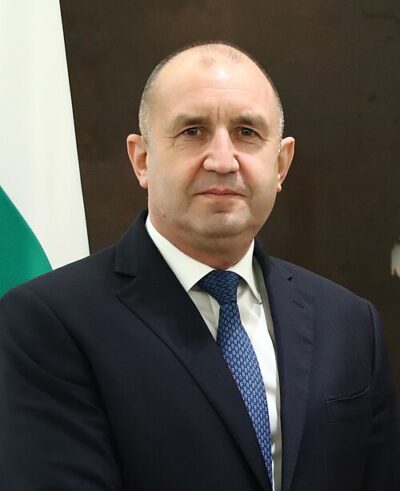 Rumen Radev (1985–1990)Prime Minister of Bulgaria since 2026
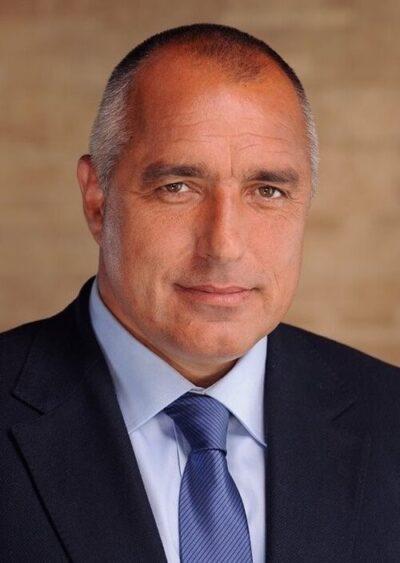 Boyko Borissov (1984–1990)Prime Minister of Bulgaria (2009–2013; 2014–2017; 2017–2021)
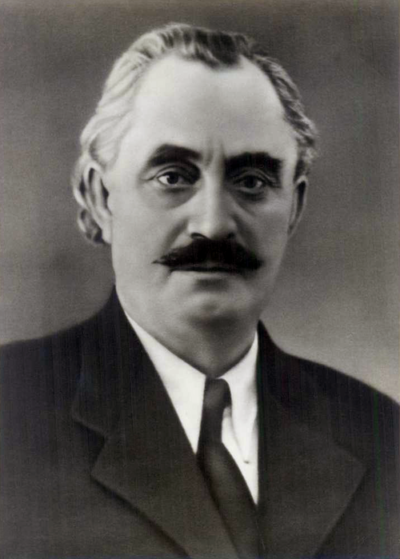 Georgi DimitrovBulgarian politician (1882–1949)
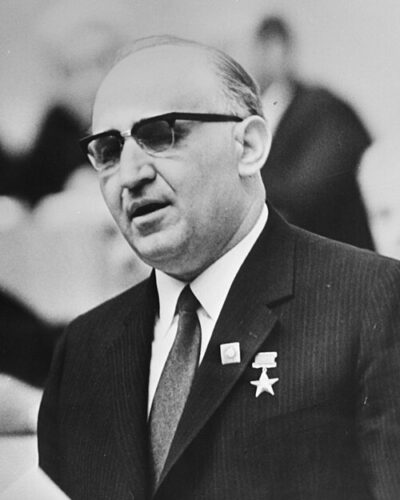 Todor Zhivkovformer General Secretary of the Bulgarian Communist Party
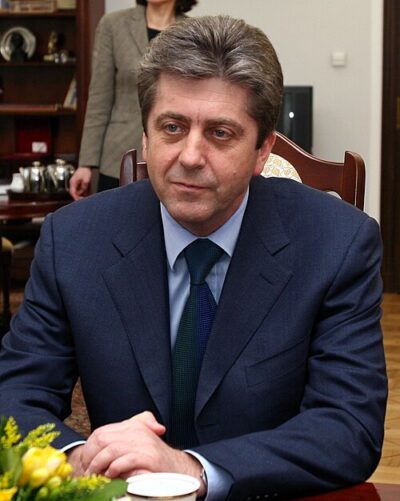 Georgi Parvanov (1981–1990)4th President of Bulgaria 2002-2012
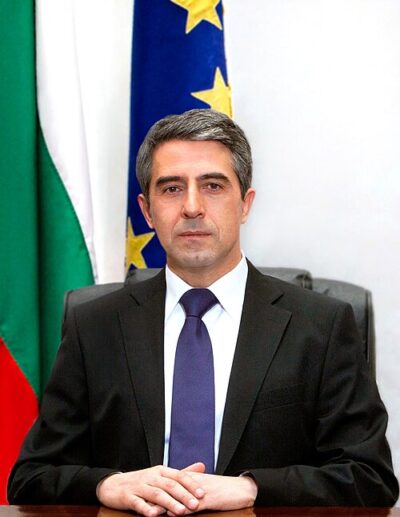 Rosen Plevneliev (1986–1990)Bulgarian politician
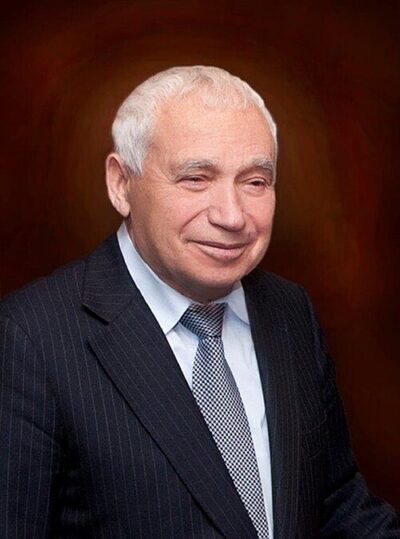 Zhelyu Zhelev (1960–1965)President of Bulgaria (1935-2015)
 Petar Mladenov (1964–1990)former General Secretary of the Bulgarian Communist Party (1936–2000)
 Vasil KolarovBulgarian politician (1877—1950)
