

Clifton College
Clifton College is an independent school (UK) in Bristol, United Kingdom. It was founded in 1910 by John Percival. It has 606 employees (2024).
- Located in
- City of Bristol
- Country
- United Kingdom
- Founded
- January 1, 1910
- What it is
- independent school
All 10 facts, and where they come from
Facts
10 facts · 0 confirmed by two sources · 1 cited · 8 from one source · 1 where the sources disagree
What’s different
- Founded: we show January 1, 1910 (Sources disagree). Wikidata also lists 1862
Where this comes from
Papalocal keeps its own record. It started from these sources; what each one said is kept here as it was copied, so a change on their side never changes this page by itself. Tap one to read its version.
What Wikidata says · copied November 17, 2026 · revision 2565529763
- Described as
- independent school (UK) in Bristol, United Kingdom
- What it is
- independent school · 1 reference; boarding school · 1 reference; charitable organization
- Founded
- 1862; January 1, 1910 · 1 reference
- Founded by
- John Percival
- Headquarters
- Bristol
- Located in
- City of Bristol · 1 reference
- Country
- United Kingdom · 1 reference
- Employees
- 454 (2016) · 1 reference
- Official website
- http://www.cliftoncollegeuk.com/
- Wikipedias with a page
- 7
Wikidata item Q5133190 (wikidata.org/wiki/Q5133190), public domain (CC0). Copied 2026-11-17.
What Wikipedia says · copied November 17, 2026 · revision 1385877230
Clifton College is a public school in the city of Bristol in South West England, founded in 1862 and offering both boarding and day school for pupils aged 13–18. In its early years, unlike most contemporary public schools, it emphasised science rather than classics in the curriculum, and was less concerned with social elitism, for example by admitting day-boys on equal terms and providing a dedicated boarding house for Jewish boys, called Polack's House. Having linked its General Studies classes with Badminton School, it admitted girls to every year group (from pre-prep up to Upper 6th, excepting 5th form due to potential O-levels disruption) in 1987, and was the first of the traditional boys' public schools to become fully coeducational. Polack's House closed in 2005 but a scholarship fund open to Jewish candidates still exists. Clifton College is one of the original 26 English public schools as defined by the Public Schools Yearbook of 1889.
The school was also the headquarters of the US Army in Britain during part of the Second World War. General Omar Bradley used the school's buildings as a staff office from October to November 1944.
Clifton College has educated several Nobel laureates: Sir John Kendrew, who received the Nobel Prize in Chemistry in 1962; Sir John Hicks, winner of the 1972 Nobel Prize in Economics; Sir Nevill Francis Mott, who received the Nobel Prize in Physics in 1977; and Geoffrey Hinton who received the Nobel Prize in Physics in 2024.
From the Wikipedia article “Clifton College” (en.wikipedia.org/wiki/Clifton_College), by its contributors, under CC BY-SA 4.0 (creativecommons.org/licenses/by-sa/4.0/). Copied 2026-11-17; not changed.
Confirmed Two sources agree. Cited One source, and it names where it got it. One source One source, without a reference of its own. Sources disagree The sources disagree. We show the best-supported value and keep theirs below.
Picture: Wikimedia Commons: Clifton college bristol from the close arp.jpg · See Commons file page
People connected 17
Studied here
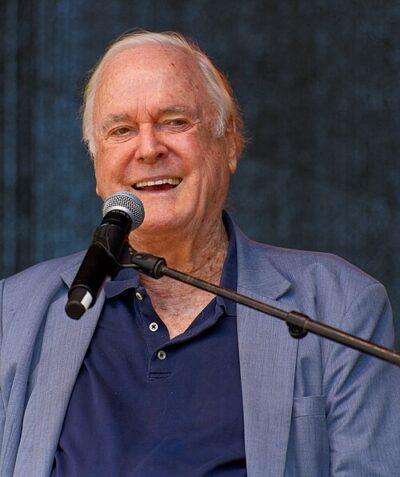 John CleeseEnglish comedian and actor (born 1939)
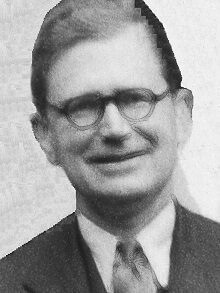 Nevill Francis MottEnglish physicist, Nobel prize winner
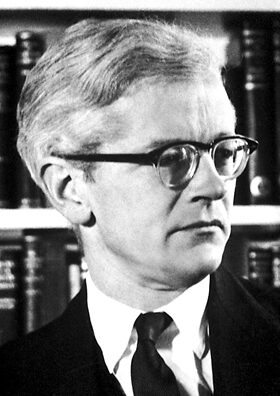 John KendrewEnglish biochemist and crystallographer (1917–1997)
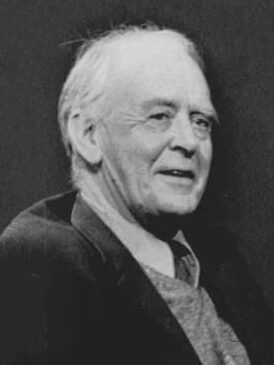 John Richard HicksBritish economist (1904-1989)
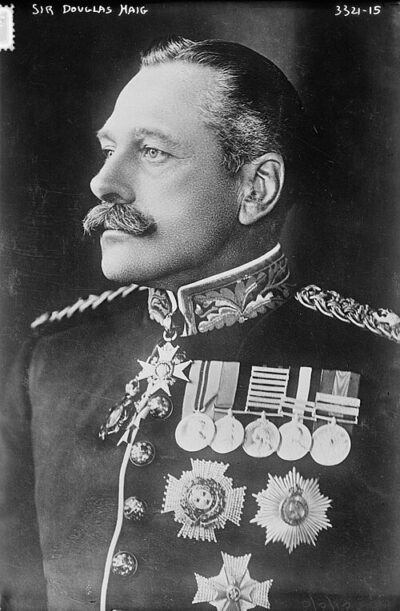 Douglas Haig, 1st Earl Haig (1875–)British senior officer during the First World War (1861-1928)
 Michael RedgraveBritish actor (1908-1985)
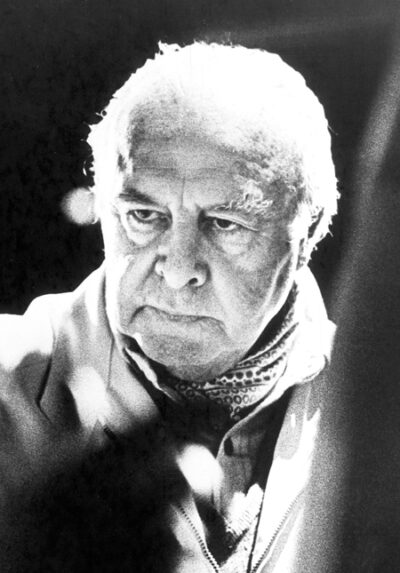 John HousemanRomanian-born British–American actor and film producer (1902–1988)
 Trevor HowardEnglish film, stage and television actor (1913–1988)
- PPaul GriceBritish philosopher
 Francis YounghusbandBritish army explorer (1863–1942)
 Roger FryEnglish artist and art critic (1866–1934)
 John MaddenEnglish theatre, film, television, and radio director
 J. M. E. McTaggartBritish philosopher (1866-1925)
 Simon Russell BealeBritish actor and music historian
 Percy HobartBritish Army general (1885–1957)
 Martin LingsEnglish writer and scholar (1909-2005)

