Club of Madrid
Club of Madrid is a non-profit organization. It was founded in 2001.
- Founded
- 2001
- Headquarters
- Madrid
- Country
- Spain
All 6 facts, and where they come from
Facts
6 facts · 0 confirmed by two sources · 2 cited · 4 from one source
Where this comes from
Papalocal keeps its own record. It started from these sources; what each one said is kept here as it was copied, so a change on their side never changes this page by itself. Tap one to read its version.
What Wikidata says · copied November 16, 2026 · revision 2553512598
- Described as
- non-profit organization
- What it is
- nonprofit organization
- Founded
- 2001
- Headquarters
- Madrid
- Country
- Spain · 1 reference
- Chair
- Danilo Türk (2020–) · 1 reference
- Official website
- http://www.clubmadrid.org
- Wikipedias with a page
- 20
Wikidata item Q2426861 (wikidata.org/wiki/Q2426861), public domain (CC0). Copied 2026-11-16.
What Wikipedia says · copied November 16, 2026 · revision 1384718498
Club de Madrid is an independent, non-partisan, non-profit organization created to promote democracy and change in the international community. It is composed of 127 regular members from 74 countries, including 5 Nobel Peace Prize laureates and 23 first female heads of state or government. Club de Madrid is the world's largest forum of former heads of state and government.
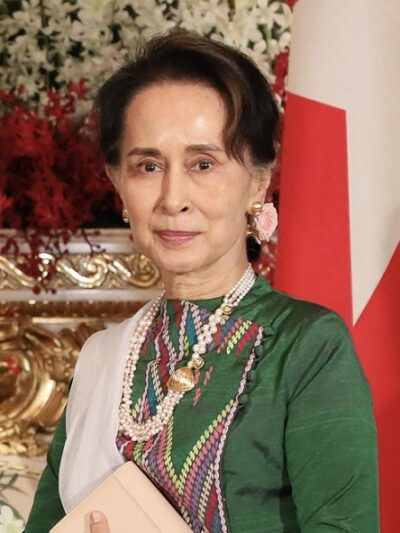
The organisation has six honorary members, which include Aung San Suu Kyi, Ban Ki-moon, Ángel Gurría, Enrique Iglesias, Javier Solana, and Juan Somavía.
Among its main goals are the strengthening of democratic institutions and counseling on the resolution of political conflicts in two key areas: democratic leadership and governance, and response to crisis and post-crisis situations.
From the Wikipedia article “Club of Madrid” (en.wikipedia.org/wiki/Club_of_Madrid), by its contributors, under CC BY-SA 4.0 (creativecommons.org/licenses/by-sa/4.0/). Copied 2026-11-16; not changed.
Confirmed Two sources agree. Cited One source, and it names where it got it. One source One source, without a reference of its own. Sources disagree The sources disagree. We show the best-supported value and keep theirs below.