
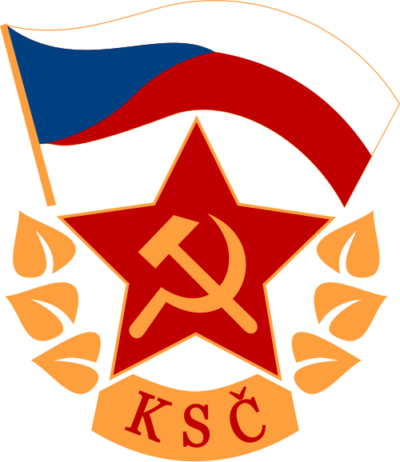
Communist Party of Czechoslovakia
Communist Party of Czechoslovakia is a political party in former Czechoslovakia. It was founded in 1921 by Bohumír Šmeral. Its headquarters are in Prague. It stands for communism and Marxism–Leninism.
- Country
- Czechoslovakia
- Founded
- May 16, 1921
- Ideology
- communism
All 11 facts, and where they come from
Facts
11 facts · 0 confirmed by two sources · 0 cited · 11 from one source
Where this comes from
Papalocal keeps its own record. It started from these sources; what each one said is kept here as it was copied, so a change on their side never changes this page by itself. Tap one to read its version.
What Wikidata says · copied November 17, 2026 · revision 2557785305
- Described as
- political party in former Czechoslovakia
- Other names
- KSČ
- What it is
- political party; communist party
- Followed by
- Communist Party of Bohemia and Moravia
- Founded
- May 16, 1921
- Ended
- April 23, 1992
- Founded by
- Bohumír Šmeral
- Headquarters
- Prague (1945–1990)
- Located in
- Prague
- Country
- Czechoslovakia
- Ideology
- communism; Marxism–Leninism · 1 reference
- Wikipedias with a page
- 42
Wikidata item Q727724 (wikidata.org/wiki/Q727724), public domain (CC0). Copied 2026-11-17.
What Wikipedia says · copied November 17, 2026 · revision 1385651801
The Communist Party of Czechoslovakia (Czech and Slovak: Komunistická strana Československa, KSČ) was a communist and Marxist–Leninist political party in Czechoslovakia that existed between 1921 and 1992. It was a member of the Comintern. Between 1929 and 1953, it was led by Klement Gottwald. The KSČ was the sole governing party in the Czechoslovak Socialist Republic though it was a leading party along with the Slovak branch and four other legally permitted non-communist parties. After its election victory in 1946, it seized power in the 1948 Czechoslovak coup d'état and established a one-party state allied with the Soviet Union. Nationalization of virtually all private enterprises followed, and a planned economy was implemented.
The KSČ was committed to the pursuit of communism, and after Joseph Stalin's rise to power Marxism–Leninism became formalized as the party's guiding ideology and would remain so throughout the rest of its existence. Consequently, party organisation was based on Bolshevik-like democratic centralism; its highest body was the Party Congress, which convened every five years. When the Congress was not in session, the Central Committee was the highest body. Because the Central Committee met twice a year, most day-to-day duties and responsibilities were vested in the Politburo. The party leader was the head of government and held the office of either General Secretary, Premier or head of state, or some of the three offices concurrently, but never all three at the same time.
In 1968, party leader Alexander Dubček proposed reforms that included a democratic process and initiated the Prague Spring, leading to the invasion of Czechoslovakia by the Soviet Union. Under pressure from the Kremlin, all reforms were repealed, party leadership became taken over by its more authoritarian wing, and a massive non-bloody purge of party members was conducted. In 1989, however, the party leadership bowed to popular pressure during the Velvet Revolution and agreed to call the first contested election since 1946, leading to the victory of the centre-based Civic Forum in the 1990 election and the KSČ stepping down. That November, the party became a federation of the Communist Party of Bohemia and Moravia and the Communist Party of Slovakia. It was then declared to be a criminal organisation in the Czech Republic by the 1993 Act on Illegality of the Communist Regime and on Resistance Against It.
From the Wikipedia article “Communist Party of Czechoslovakia” (en.wikipedia.org/wiki/Communist_Party_of_Czechoslovakia), by its contributors, under CC BY-SA 4.0 (creativecommons.org/licenses/by-sa/4.0/). Copied 2026-11-17; not changed.
Confirmed Two sources agree. Cited One source, and it names where it got it. One source One source, without a reference of its own. Sources disagree The sources disagree. We show the best-supported value and keep theirs below.
Picture: Ericmetro, via Wikimedia Commons · Public domain
People connected 58
Party members 58
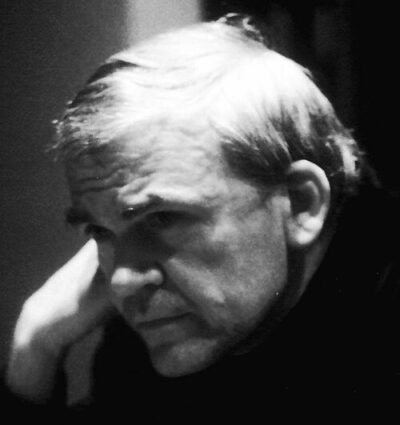 Milan Kundera (1948–1970)Franco-Czechoslovak poet and novelist (1929—2023)
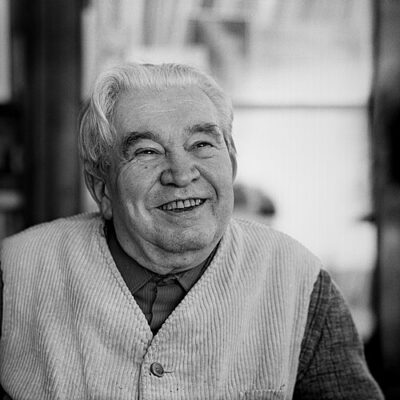 Jaroslav Seifert (1921–1929)Czechoslovak poet, Nobel prize laureate (1901–1986)
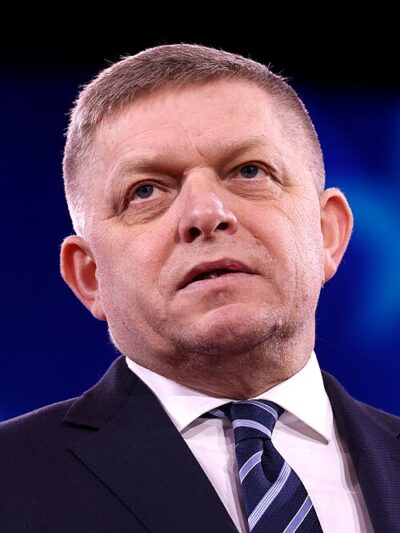 Robert Fico (1986–1990)Prime Minister of Slovakia since 2023
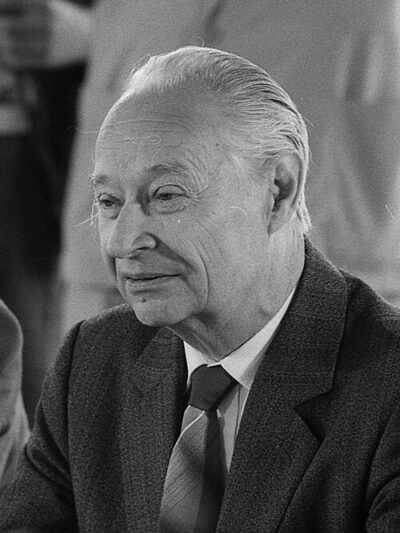 Alexander Dubček (1948–1970)first Secretary of the Czechoslovak Communist Party (1921-1992)
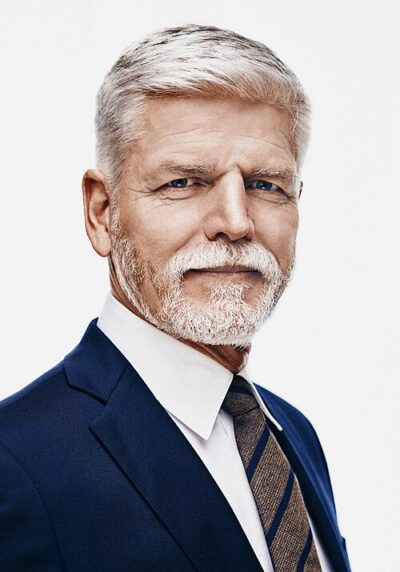 Petr Pavel (1985–1989)Czech general and statesman, 4th president of the Czech Republic (born 1961)
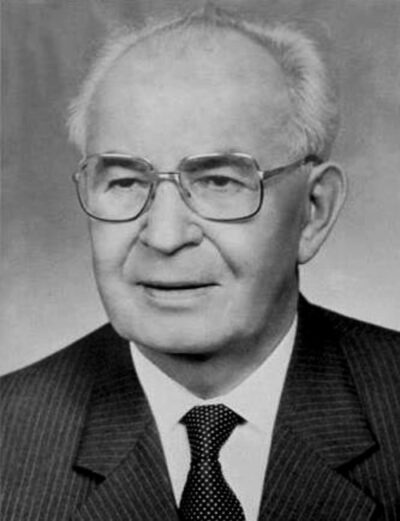 Gustáv Husák (1933–)Czechoslovak politician, 8th President of Czechoslovakia (1913-1991)
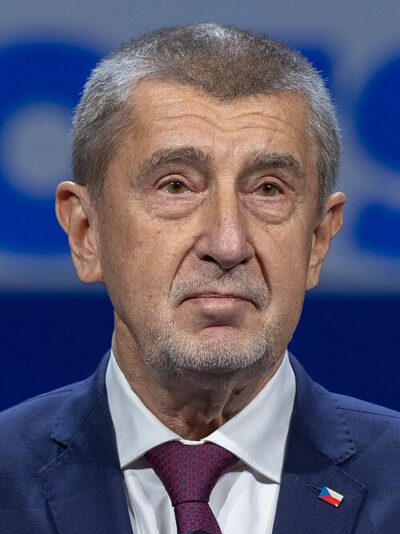 Andrej Babiš (1980–1989)Czech politician and businessman, Prime Minister of the Czech Republic
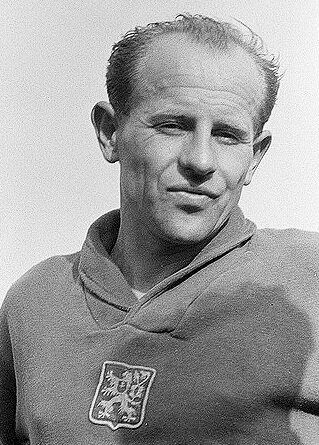 Emil Zátopek (1953–)Czech long-distance runner (1922-2000)
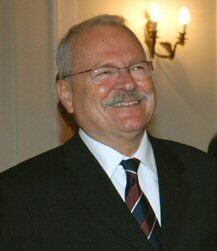 Ivan Gašparovič (1968)Slovak politician and lawyer
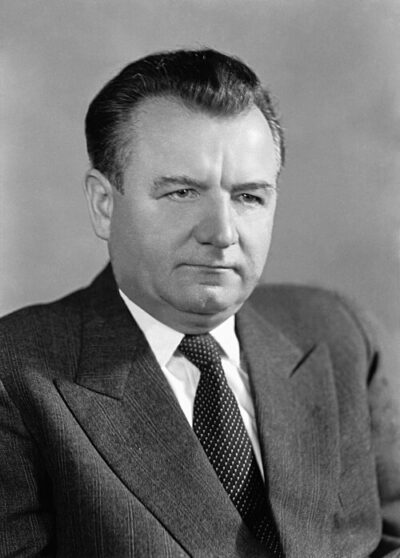 Klement Gottwald5th President of Czechoslovakia
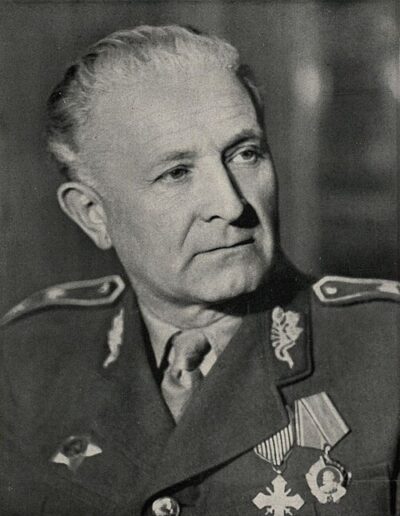 Ludvík SvobodaCzechoslovak general and politician (1895-1979)
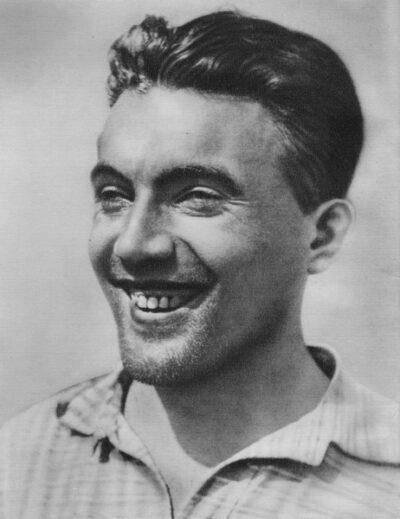 Julius FučíkCzech journalist and revolutionary (1903–1943)
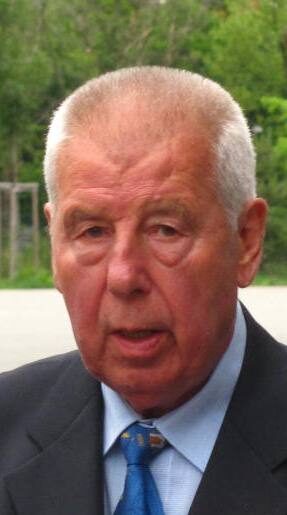 Josef Masopust (1959–)Czech footballer (1931-2015)
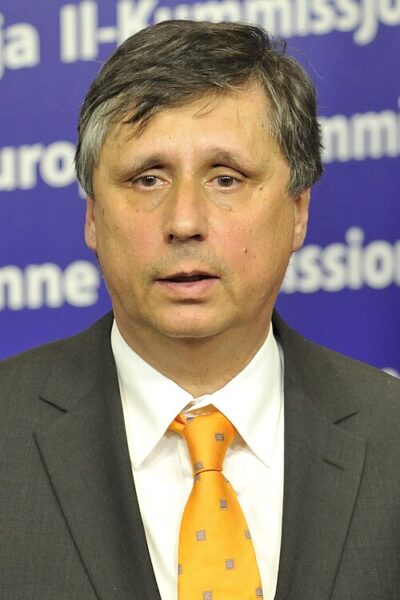 Jan Fischer (1980–1990)Czech politician (born 1951)
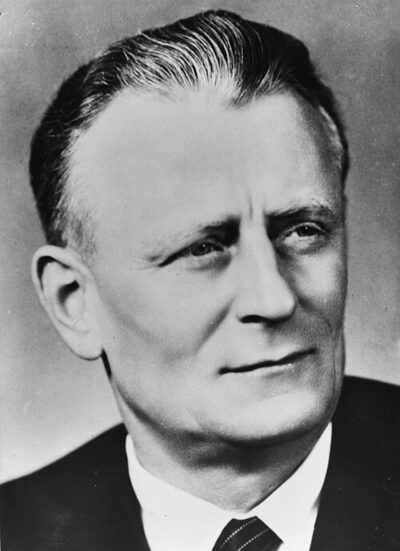 Antonín NovotnýCzech politician (1904-1975)
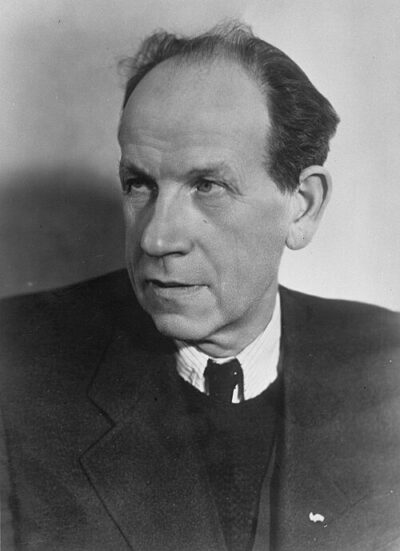 Antonín Zápotocký (1921–)Czech politician (1884–1957)
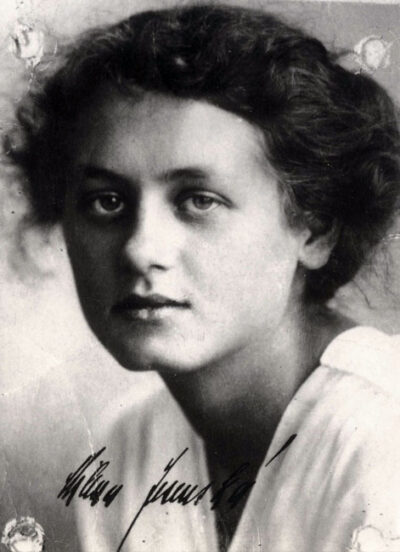 Milena JesenskáCzech journalist, writer, editor and translator (1896-1944)
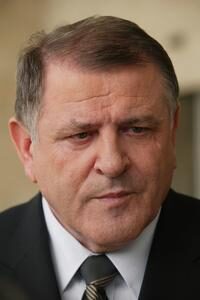 Vladimír MečiarPrime Minister of Slovakia (1990–1991; 1992–1994; 1994–1998)
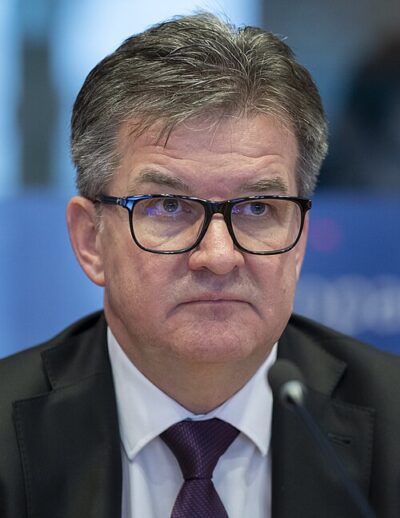 Miroslav Lajčák (1989–1992)Slovak politician and diplomat
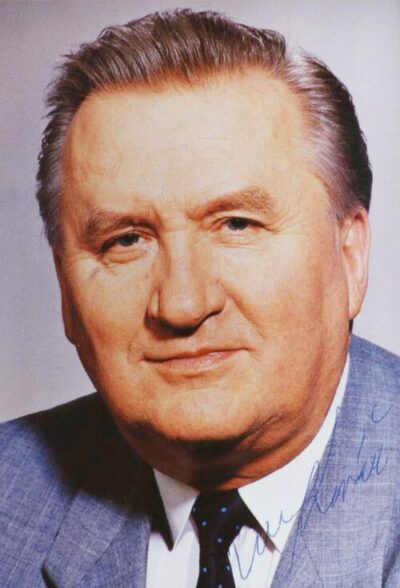 Michal KováčSlovak economist, politician, president of the Slovakia (1993–1998)
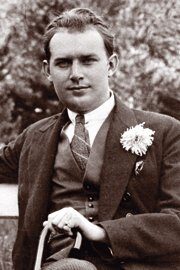 Jiří WolkerCzech poet, journalist and playwright (1900–1924)
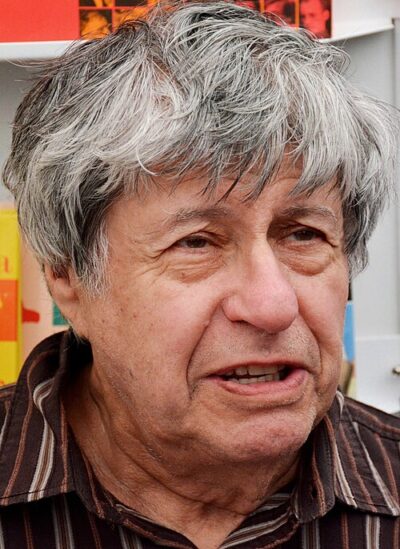 Ivan Klíma (1953–1970)Czech playwright, author, publicist, and university educator (1931–2025)
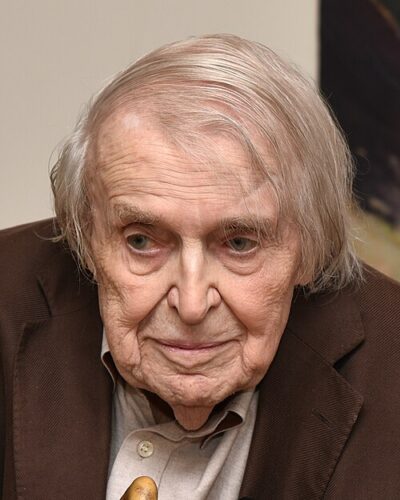 Pavel Kohout (–1969)Czech poet, playwright, exil writer, film director, politic writer and bookwriter (born 1928)
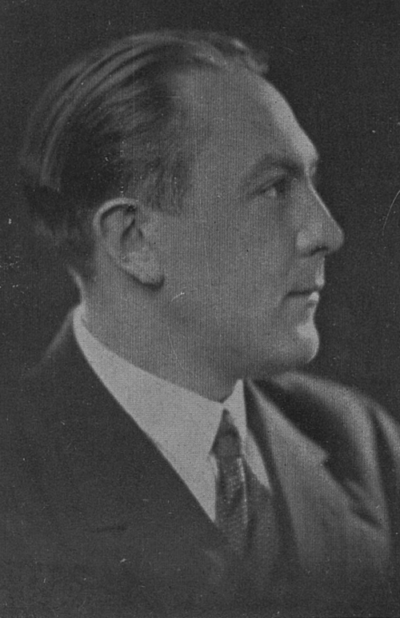 Vítězslav NezvalCzech poet, writer and translator (1900–1958)
and 34 more
