

Communist Party of Great Britain
Communist Party of Great Britain is a communist party in the United Kingdom that existed from 1920 to 1991. Its headquarters are in London. It stands for communism and Marxism–Leninism.
- Country
- United Kingdom
- Founded
- 1920
- Ideology
- communism
All 10 facts, and where they come from
Facts
10 facts · 0 confirmed by two sources · 0 cited · 10 from one source
Where this comes from
Papalocal keeps its own record. It started from these sources; what each one said is kept here as it was copied, so a change on their side never changes this page by itself. Tap one to read its version.
What Wikidata says · copied November 17, 2026 · revision 2549143768
- Described as
- communist party in the United Kingdom that existed from 1920 to 1991
- Other names
- CPGB
- What it is
- communist party; political party
- Comes after
- British Socialist Party
- Followed by
- Democratic Left
- Founded
- 1920
- Ended
- 1991
- Headquarters
- London
- Country
- United Kingdom
- Ideology
- communism; Marxism–Leninism
- Wikipedias with a page
- 33
Wikidata item Q592068 (wikidata.org/wiki/Q592068), public domain (CC0). Copied 2026-11-17.
What Wikipedia says · copied November 17, 2026 · revision 1385071720
The Communist Party of Great Britain (CPGB) was the largest Marxist-Leninist organisation in Britain and was founded in 1920 through a merger of several smaller Marxist groups. The party first gained prominence when many miners joined the CPGB in the 1926 general strike. In 1930, the CPGB founded the Daily Worker newspaper (renamed the Morning Star in 1966), which would remain the party's main publication throughout its existence. In 1936, members of the party were present at the Battle of Cable Street, helping organise resistance against the British Union of Fascists. In the Spanish Civil War, the CPGB worked with the USSR to create the British Battalion of the International Brigades, which party activist Bill Alexander commanded.
In World War II, the CPGB followed the Comintern position, initially opposing, but later supporting, the war in line with the involvement of the USSR. By the end of World War II, CPGB membership had nearly tripled and the party reached the height of its popularity. Many key CPGB members served as leaders of Britain's trade union movement, including Jessie Eden, David Ivon Jones, Abraham Lazarus, Ken Gill, Clem Beckett, GCT Giles, Mike Hicks, and Thora Silverthorne.
The CPGB's position on racial equality and anti-colonialism attracted many black activists to the party, including Trevor Carter, Charlie Hutchison, Dorothy Kuya, Billy Strachan, Peter Blackman, George Powe, Henry Gunter, Len Johnson, and Claudia Jones, who founded London's Notting Hill Carnival. In 1956, the CPGB experienced a significant loss of members due to its support of the Soviet military intervention in Hungary. In the 1960s, CPGB activists supported Vietnamese communists fighting in the Vietnam War. In 1984, the leader of the CPGB's youth wing, Mark Ashton, founded Lesbians and Gays Support the Miners.
From 1956 until the late 1970s, the party was funded by the Soviet Union. After the dissolution of the Soviet Union in 1991, the party's Eurocommunist leadership disbanded the party, establishing Democratic Left. In 1988, the anti-Eurocommunist and Marxist-Leninist faction launched the Communist Party of Britain, which still exists today.
From the Wikipedia article “Communist Party of Great Britain” (en.wikipedia.org/wiki/Communist_Party_of_Great_Britain), by its contributors, under CC BY-SA 4.0 (creativecommons.org/licenses/by-sa/4.0/). Copied 2026-11-17; not changed.
Confirmed Two sources agree. Cited One source, and it names where it got it. One source One source, without a reference of its own. Sources disagree The sources disagree. We show the best-supported value and keep theirs below.
Picture: Wikimedia Commons: Harry Pollitt Whitehall 1941, IWM D 4420.jpg · See Commons file page
People connected 12
Party members
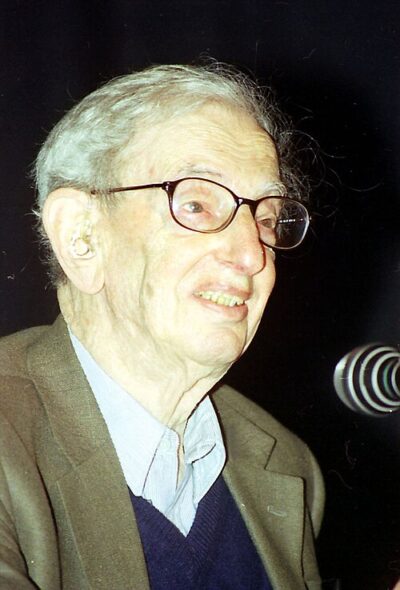 Eric HobsbawmBritish academic historian and Marxist historiographer (1917–2012)
- JJohn Desmond BernalIrish scientist (1901-1971)
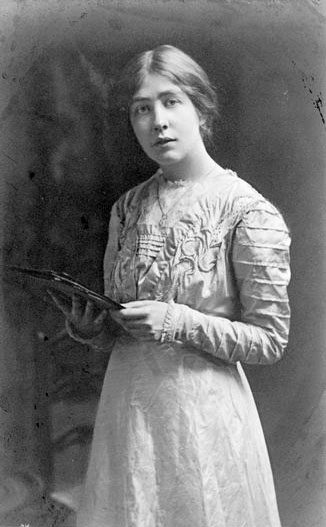 Sylvia Pankhurst (–1921)English feminist and socialist (1882–1960)
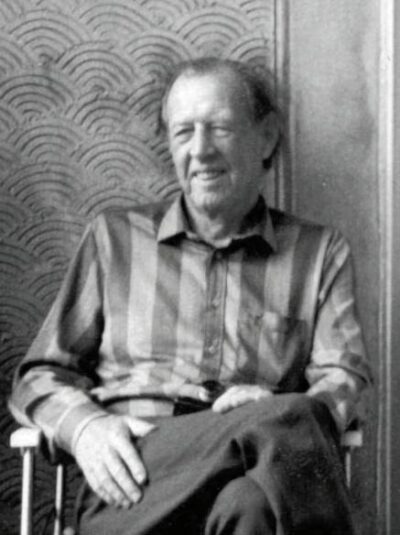 Raymond Williams (1939–1941)Welsh scholar, author, and Marxist literary critic (1921–1988)
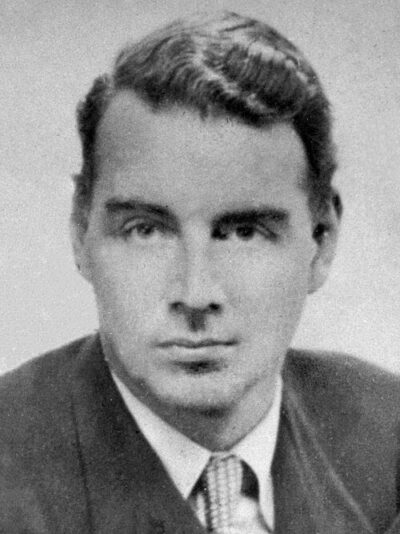 Guy Burgess (1933–1935)British-born radio producer, intelligence and Foreign Office officer and double agent
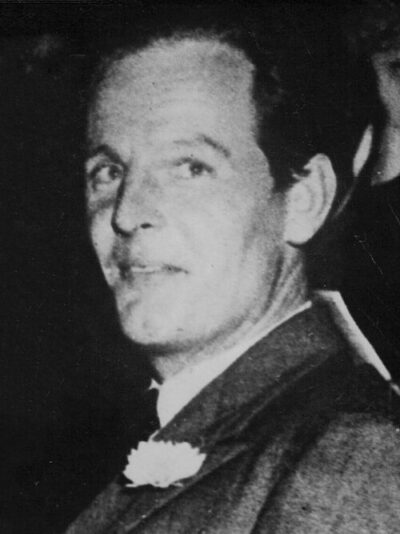 Donald MacleanBritish diplomat and spy (1913–1983)
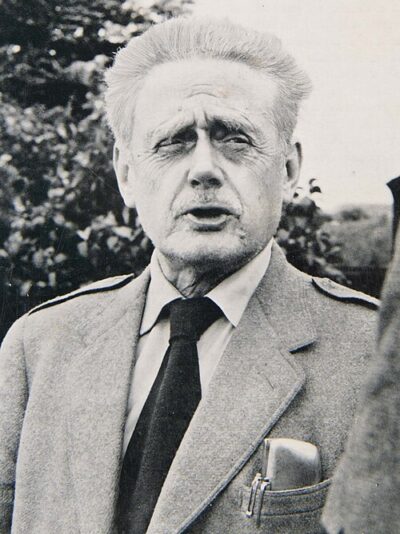 Hugh MacDiarmidScottish poet, pen name of Christopher Murray Grieve (1892–1978)
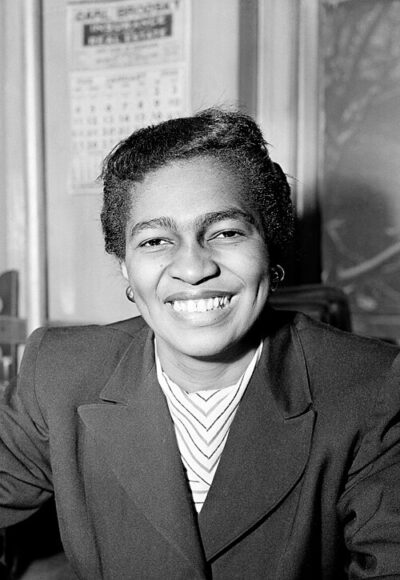 Claudia JonesTrinidad & Tobago-born black communist and political activist
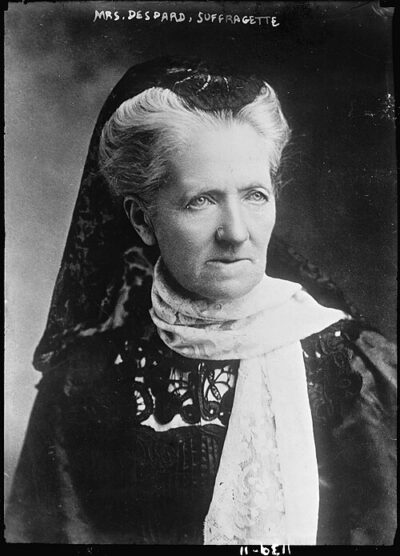 Charlotte DespardAnglo-Irish suffragist (1844-1939)
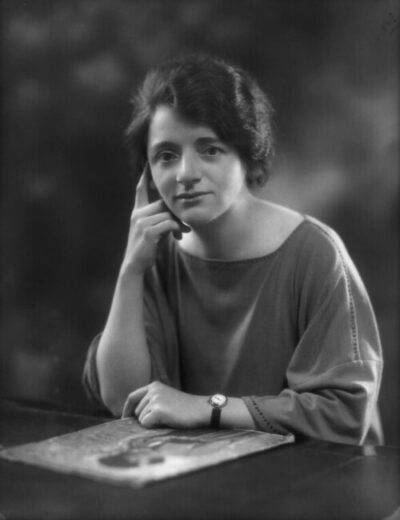 Ellen Wilkinson (1920–1924)British Labour Party politician (1891–1947)
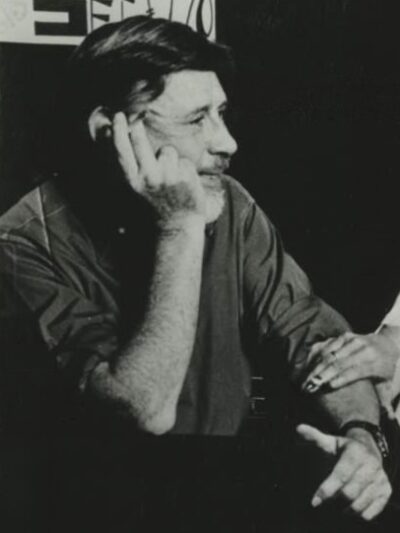 Ewan MacCollBritish folk singer, songwriter, communist, labour activist, actor, poet, playwright, and record producer (1915–1989)
- MMelita NorwoodBritish civil servant and spy for the Soviet Union (1912–2005)
