

Digital Equipment Corporation
Digital Equipment Corporation is an American manufacturer of minicomputers. It was founded in 1957 by Ken Olsen and Harlan Anderson. Its headquarters are in Maynard.
- Founded
- 1957
- Founded by
- Ken Olsen
- Headquarters
- Maynard
- Industry
- computer industry
- Country
- United States
All 13 facts, and where they come from
Facts
13 facts · 0 confirmed by two sources · 0 cited · 13 from one source
Where this comes from
Papalocal keeps its own record. It started from these sources; what each one said is kept here as it was copied, so a change on their side never changes this page by itself. Tap one to read its version.
What Wikidata says · copied November 16, 2026 · revision 2534563231
- Described as
- American manufacturer of minicomputers
- Other names
- DEC, Digital, Digital Equipment
- What it is
- business; enterprise; technology company
- Followed by
- Hewlett-Packard (2002–2015)
- Founded
- 1957
- Ended
- 1998
- Founded by
- Ken Olsen; Harlan Anderson
- Headquarters
- Maynard
- Country
- United States
- Industry
- computer industry; computer hardware industry
- Official website
- http://research.microsoft.com/en-us/um/people/gbell/Digital/timeline/tmlnhome.htm
- Wikipedias with a page
- 39
Wikidata item Q690079 (wikidata.org/wiki/Q690079), public domain (CC0). Copied 2026-11-16.
What Wikipedia says · copied November 16, 2026 · revision 1385465312
Digital Equipment Corporation (DEC ), using the trademark Digital, was a major American company in the computer industry from the 1960s to the 1990s. The company was founded by Ken Olsen and Harlan Anderson in 1957. Olsen was president until he was forced to resign in 1992, after the company had gone into precipitous decline.
The company produced many different product lines over its history. It is best known for the work in the minicomputer market starting in the early 1960s. The company produced a series of machines known as the PDP line, with the PDP-8 and PDP-11 being among the most successful minis in history. Their success was only surpassed by another DEC product, the late-1970s VAX "supermini" systems that were designed to replace the PDP-11. Although a number of competitors had successfully competed with Digital through the 1970s, the VAX cemented the company's place as a leading vendor in the computer space. As microcomputers improved in the late 1980s, especially with the introduction of RISC-based workstation machines, the performance niche of the minicomputer was rapidly eroded.
By the early 1990s, the company was in turmoil as their mini sales collapsed and their attempts to address this by entering the high-end market with machines like the VAX 9000 were market failures. After several attempts to enter the workstation and file server market, the DEC Alpha product line began to make successful inroads in the mid-1990s, but was too late to save the company. DEC was acquired in June 1998 by Compaq in what was at that time the largest merger in the history of the computer industry. During the purchase, some parts of DEC were sold to other companies; the compiler business and the Hudson Fab were sold to Intel. At the time, Compaq was focused on the enterprise market and had recently purchased several other large vendors. DEC was a major player overseas where Compaq had less presence. However, Compaq had little idea what to do with its acquisitions, and soon found itself in financial difficulty of its own. Compaq was eventually bought by Hewlett-Packard (HP) in May 2002.
From the Wikipedia article “Digital Equipment Corporation” (en.wikipedia.org/wiki/Digital_Equipment_Corporation), by its contributors, under CC BY-SA 4.0 (creativecommons.org/licenses/by-sa/4.0/). Copied 2026-11-16; not changed.
Confirmed Two sources agree. Cited One source, and it names where it got it. One source One source, without a reference of its own. Sources disagree The sources disagree. We show the best-supported value and keep theirs below.
Picture: Wikimedia Commons: Assabet Woolen Mill - Maynard, Massachusetts - DSC04913.jpg · See Commons file page
People connected 11
Worked here
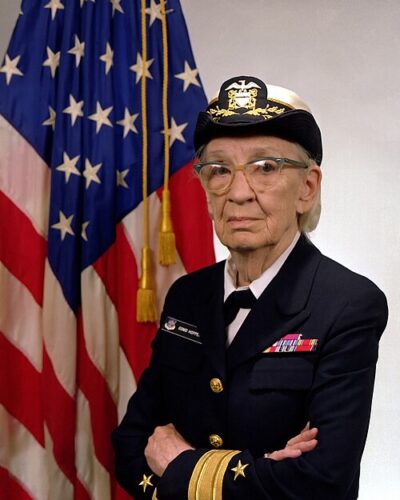 Grace Hopper (1986–1990)American computer scientist and United States Navy officer (1906–1992)
 Leslie Lamport (1985–2001)American computer scientist
- AAnita BorgAmerican computer scientist (1949-2003)
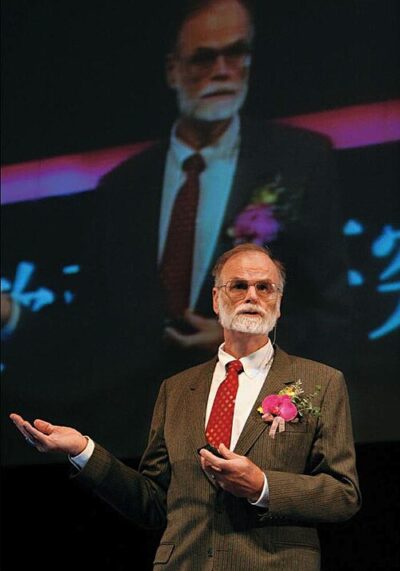 Jim GrayAmerican computer scientist (1944–2007/2012)
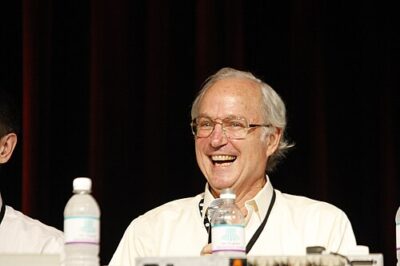 Butler LampsonAmerican computer scientist (born 1943)
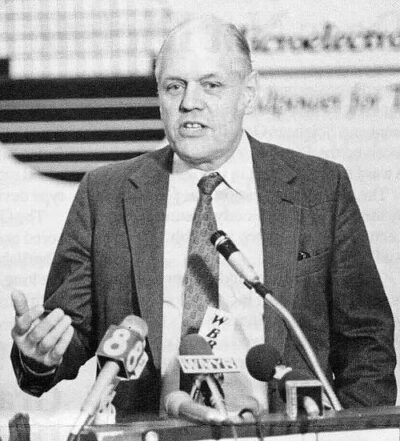 Ken Olsen (1957–1992)American engineer and businessman (1926–2011)
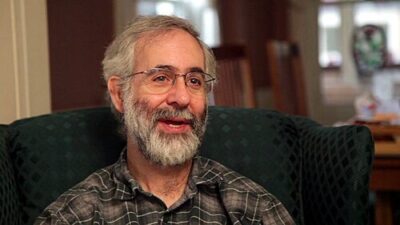 Dan BricklinAmerican computer scientist
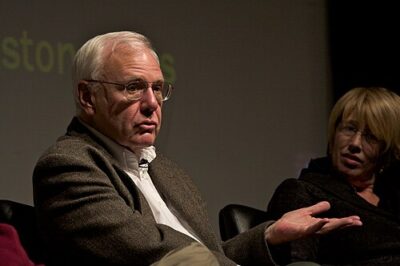 Charles P. ThackerAmerican computer pioneer (1943–2017)
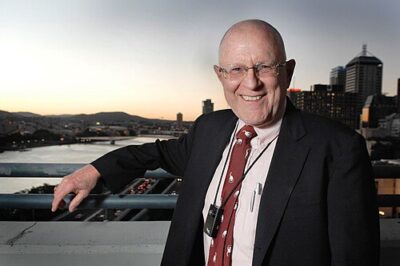 Gordon BellAmerican computer engineer (1934–2024)
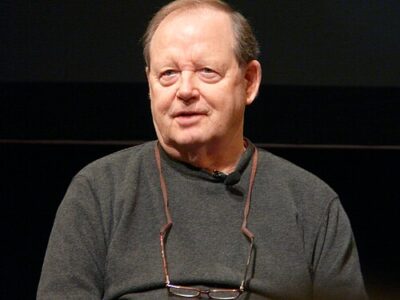 Robert TaylorAmerican computer scientist (1932–2017)
- JJames RumbaughAmerican computer scientist
