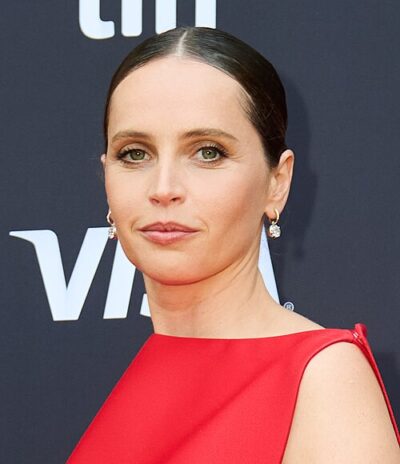
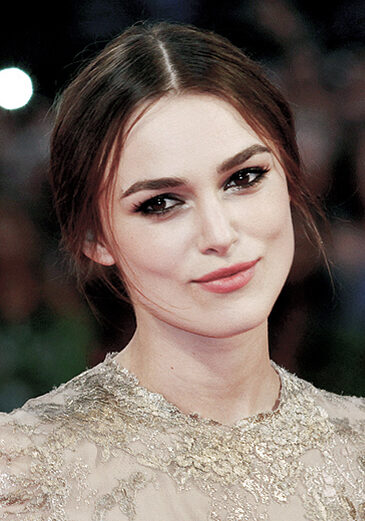
Empire Award for Best Actress
Empire Award for Best Actress is a class of award. It was created in 1996.
- Country
- United Kingdom
- Created
- 1996
All 4 facts, and where they come from
Facts
4 facts · 0 confirmed by two sources · 0 cited · 4 from one source
Where this comes from
Papalocal keeps its own record. It started from these sources; what each one said is kept here as it was copied, so a change on their side never changes this page by itself. Tap one to read its version.
What Wikidata says · copied November 16, 2026 · revision 2349014511
- Described as
- class of award
- What it is
- class of award; Empire Awards
- Created
- 1996
- Country
- United Kingdom
- Wikipedias with a page
- 12
Wikidata item Q3724813 (wikidata.org/wiki/Q3724813), public domain (CC0). Copied 2026-11-16.
What Wikipedia says · copied November 16, 2026 · revision 1369074769
The Empire Award for Best Actress was an Empire Award presented annually by the British film magazine Empire to honor an actress who has delivered an outstanding performance in a leading role, while working within the film industry. The Empire Award for Best Actress was one of five ongoing awards which were first introduced at the 1st Empire Awards ceremony in 1996 (the others being Best Actor, Best Director, Best Film, and Best British Film), with Nicole Kidman receiving the award for her role in To Die For. Winners were chosen by the readers of Empire magazine.
Since its inception, the award was given to 20 actresses. Nicole Kidman has received the most awards in this category, with two awards. Cate Blanchett and Nicole Kidman were nominated on five occasions, more than any other actress. Daisy Ridley was the most recent winner in this category, for her role in Star Wars: The Last Jedi.
From the Wikipedia article “Empire Award for Best Actress” (en.wikipedia.org/wiki/Empire_Award_for_Best_Actress), by its contributors, under CC BY-SA 4.0 (creativecommons.org/licenses/by-sa/4.0/). Copied 2026-11-16; not changed.
Confirmed Two sources agree. Cited One source, and it names where it got it. One source One source, without a reference of its own. Sources disagree The sources disagree. We show the best-supported value and keep theirs below.