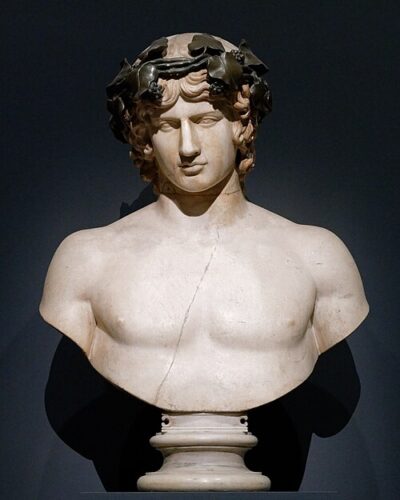
favourite
Favourite is an intimate companion of a ruler or other important person.
All 1 facts, and where they come from
Facts
1 facts · 0 confirmed by two sources · 0 cited · 1 from one source
Where this comes from
Papalocal keeps its own record. It started from these sources; what each one said is kept here as it was copied, so a change on their side never changes this page by itself. Tap one to read its version.
What Wikidata says · copied November 17, 2026 · revision 2569242435
- Described as
- intimate companion of a ruler or other important person
- Other names
- favorite, fav, favourite individual
- What it is
- position
- Wikipedias with a page
- 27
Wikidata item Q1996375 (wikidata.org/wiki/Q1996375), public domain (CC0). Copied 2026-11-17.
What Wikipedia says · copied November 17, 2026 · revision 1367580807
In history and politics, a favourite was the intimate companion of a ruler or other important person. In post-classical and early-modern Europe, among other times and places, the term was used of individuals delegated significant political power by a ruler. It was especially a phenomenon of the 16th and 17th centuries, when government had become too complex for many hereditary rulers with no great interest in or talent for it, and political institutions were still evolving. From 1600 to 1660 there were particular successions of all-powerful minister-favourites in much of Europe, particularly in Spain, England, France and Sweden.
By the late 17th century, the royal favourite as quasi-Prime Minister declined; in France, the King resolved to rule directly, while in Britain, as the power of the monarch relative to Parliament declined, executive power slowly passed to the new office of Prime Minister and other parliamentary ministers.
The term is also sometimes employed by writers who want to avoid terms such as "royal mistress", "friend", "companion", or "lover" (of either sex). Some favourites had sexual relations with their monarch (or the monarch's spouse), but this was far from universal. Many were favoured for their skill as administrators, while others were close friends of the monarch.
The term has an inbuilt element of disapproval and is defined by the Oxford English Dictionary as "One who stands unduly high in the favour of a prince", citing Shakespeare: "Like favourites/ Made proud by Princes" (Much Ado about Nothing, 3.1.9).
From the Wikipedia article “Favourite” (en.wikipedia.org/wiki/Favourite), by its contributors, under CC BY-SA 4.0 (creativecommons.org/licenses/by-sa/4.0/). Copied 2026-11-17; not changed.
Confirmed Two sources agree. Cited One source, and it names where it got it. One source One source, without a reference of its own. Sources disagree The sources disagree. We show the best-supported value and keep theirs below.
People connected 6
Held this office
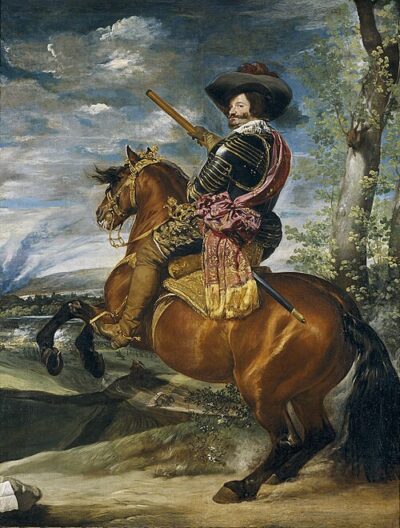 Gaspar de Guzmán, Count-Duke of Olivares (1622–1643)Spanish royal favourite of Philip IV and minister (1587-1645)
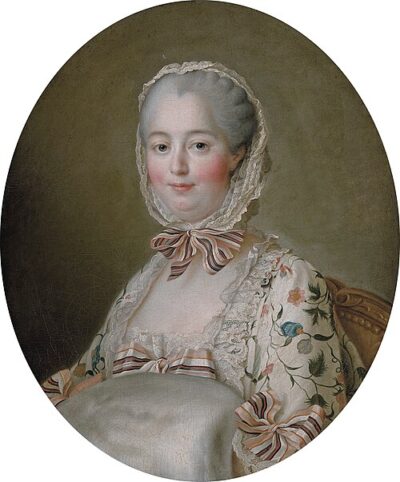 Madame de Pompadourchief mistress of Louis XV of France (1721-1764)
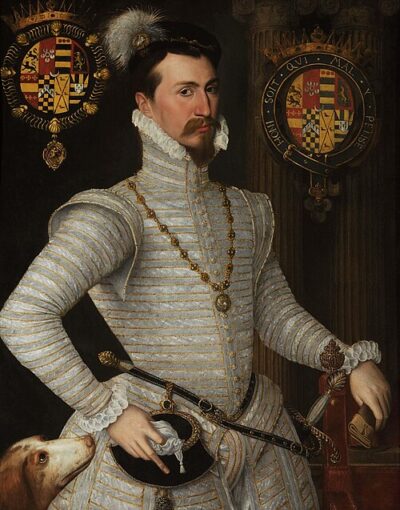 Robert Dudley, 1st Earl of LeicesterEnglish nobleman and the favourite and close friend of Queen Elizabeth I (1532-1588)
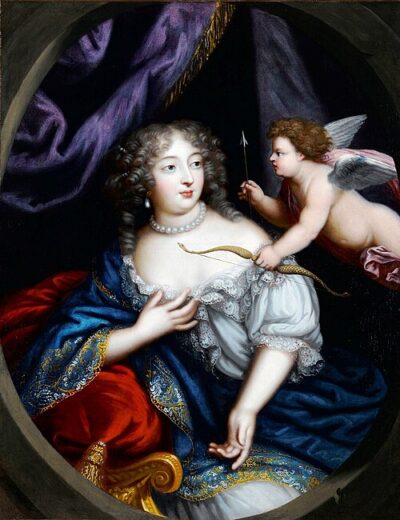 Madame de MontespanFrench noble, mistress of Louis XIV; (1640-1707)