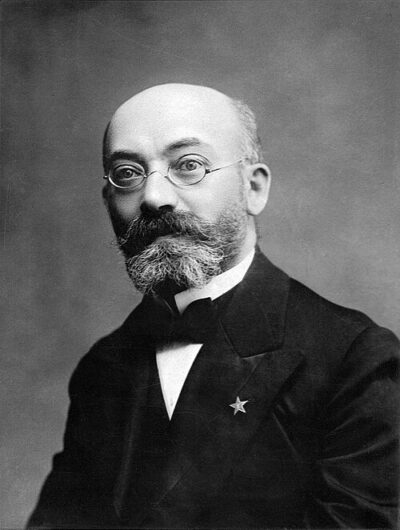
Fundamento de Esperanto
Fundamento de Esperanto is a 1905 book by L. L. Zamenhof, describing the basic grammar and vocabulary of Esperanto; the only obligatory authority over the language, according to the Declaration of Boulogne.
- Published
- 1905
- Written by
- L. L. Zamenhof
All 6 facts, and where they come from
Facts
6 facts · 0 confirmed by two sources · 0 cited · 6 from one source
Where this comes from
Papalocal keeps its own record. It started from these sources; what each one said is kept here as it was copied, so a change on their side never changes this page by itself. Tap one to read its version.
What Wikidata says · copied November 17, 2026 · revision 2558534436
- Described as
- 1905 book by L. L. Zamenhof, describing the basic grammar and vocabulary of Esperanto; the only obligatory authority over the language, according to the Declaration of Boulogne
- Other names
- Foundations of Esperanto
- What it is
- literary work
- Written by
- L. L. Zamenhof
- Published
- 1905
- Language
- Esperanto; French
- Official website
- https://www.akademio-de-esperanto.org/fundamento/
- Wikipedias with a page
- 39
Wikidata item Q427827 (wikidata.org/wiki/Q427827), public domain (CC0). Copied 2026-11-17.
What Wikipedia says · copied November 17, 2026 · revision 1384251974
Fundamento de Esperanto (English: Foundation of Esperanto) is a 1905 book by L. L. Zamenhof, in which the author explains the basic grammar rules and vocabulary that constitute the basis of the constructed language Esperanto. On August 9, 1905, it was made the only obligatory authority over the language by the Declaration of Boulogne at the first World Esperanto Congress. Much of the content of the book is a reproduction of content from Zamenhof's earlier works, particularly Unua Libro.
From the Wikipedia article “Fundamento de Esperanto” (en.wikipedia.org/wiki/Fundamento_de_Esperanto), by its contributors, under CC BY-SA 4.0 (creativecommons.org/licenses/by-sa/4.0/). Copied 2026-11-17; not changed.
Confirmed Two sources agree. Cited One source, and it names where it got it. One source One source, without a reference of its own. Sources disagree The sources disagree. We show the best-supported value and keep theirs below.
Picture: Wikimedia Commons: Zamenhof L. L. - Fundamento de Esperanto, 1905.jpg · See Commons file page