High Energy Accelerator Research Organization
The High Energy Accelerator Research Organization is an organization in Japan. It was founded in 1997. Its headquarters are in Tsukuba.
- Founded
- 1997
- Headquarters
- Tsukuba
- Industry
- research
- Country
- Japan
All 8 facts, and where they come from
Facts
8 facts · 0 confirmed by two sources · 0 cited · 8 from one source
Where this comes from
Papalocal keeps its own record. It started from these sources; what each one said is kept here as it was copied, so a change on their side never changes this page by itself. Tap one to read its version.
What Wikidata says · copied November 17, 2026 · revision 2515919073
- Described as
- organization in Japan
- Other names
- KEK, Kō Enerugī Kasokuki Kenkyū Kikō, Inter-University Research Institute Corporation High Energy Accelerator Research Organization
- What it is
- research organization; research institute
- Founded
- 1997
- Headquarters
- Tsukuba
- Country
- Japan · 1 reference
- Industry
- research
- Part of
- Ministry of Education, Culture, Sports, Science and Technology · 1 reference
- Official website
- http://www.kek.jp/en/
- Wikipedias with a page
- 17
Wikidata item Q2165768 (wikidata.org/wiki/Q2165768), public domain (CC0). Copied 2026-11-17.
What Wikipedia says · copied November 17, 2026 · revision 1383397731
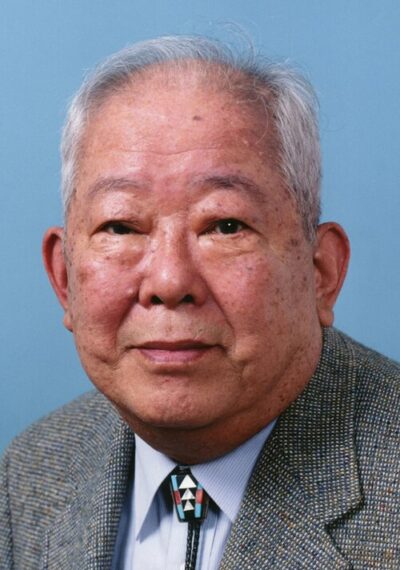
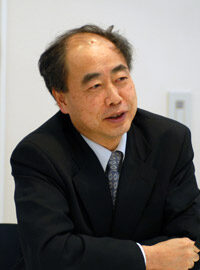
The High Energy Accelerator Research Organization (高エネルギー加速器研究機構, Kō Enerugī Kasokuki Kenkyū Kikō), known as KEK, is a Japanese organization whose purpose is to operate the largest particle physics laboratory in Japan, situated in Tsukuba, Ibaraki prefecture. It was established in 1997. The term "KEK" is also used to refer to the laboratory itself, which employs approximately 695 employees. KEK's main function is to provide the particle accelerators and other infrastructure needed for high-energy physics, material science, structural biology, radiation science, computing science, nuclear transmutation and so on. Numerous experiments have been constructed at KEK by the internal and international collaborations that have made use of them. Makoto Kobayashi, emeritus professor at KEK, is known globally for his work on CP-violation, and was awarded the 2008 Nobel Prize in Physics.
From the Wikipedia article “KEK” (en.wikipedia.org/wiki/KEK), by its contributors, under CC BY-SA 4.0 (creativecommons.org/licenses/by-sa/4.0/). Copied 2026-11-17; not changed.
Confirmed Two sources agree. Cited One source, and it names where it got it. One source One source, without a reference of its own. Sources disagree The sources disagree. We show the best-supported value and keep theirs below.
Picture: Wikimedia Commons: KEK and Mt Tsukuba.jpg · See Commons file page